

3 hrs ago
Tata Sons Board, Trusts Clash Over Chandrasekaran’s Reappointment
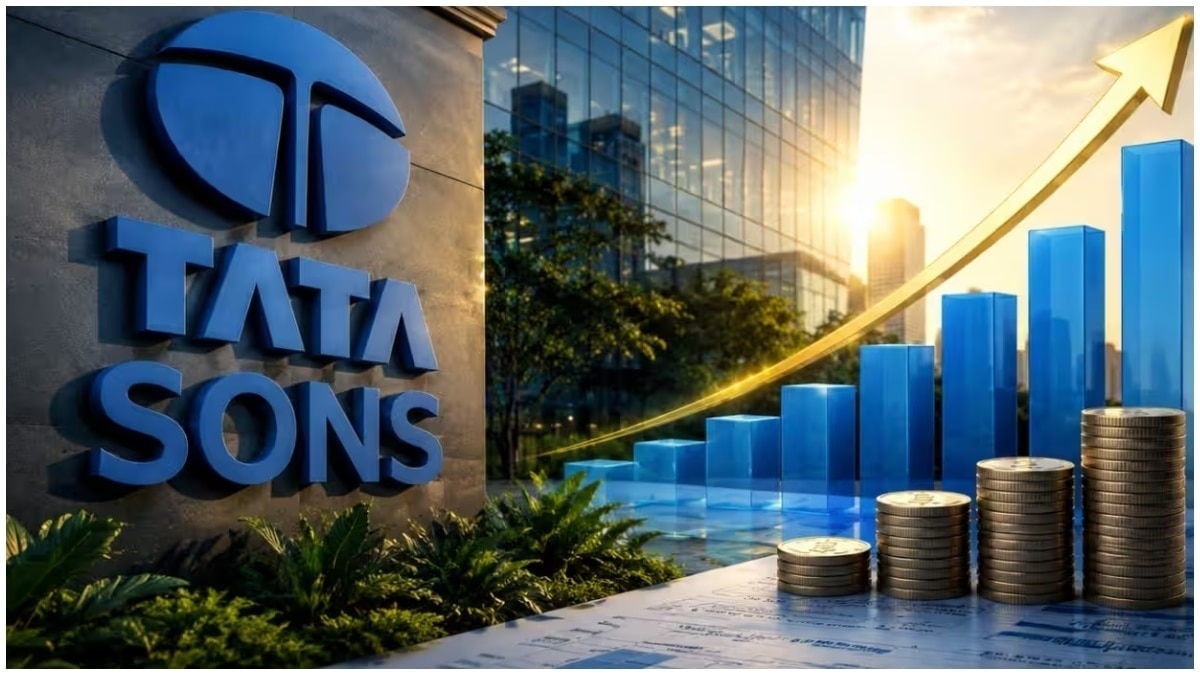
Tata Sons is the company that owns stakes in many Tata Group businesses.
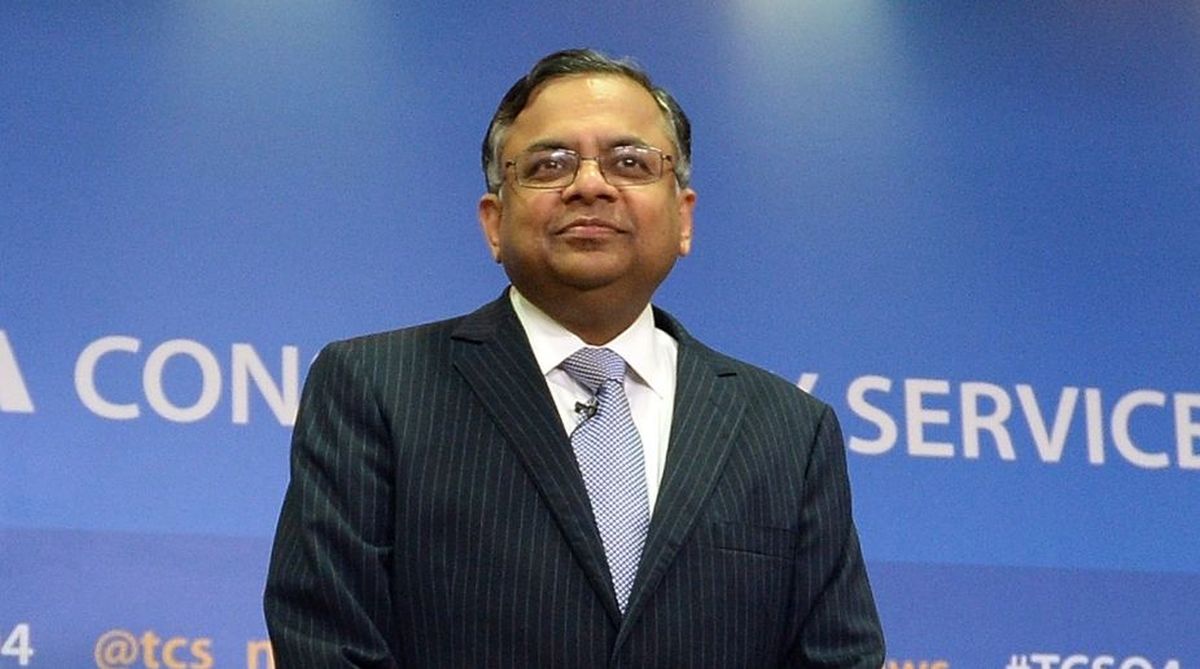
Its board voted to keep N. Chandrasekaran as chairman for five more years.
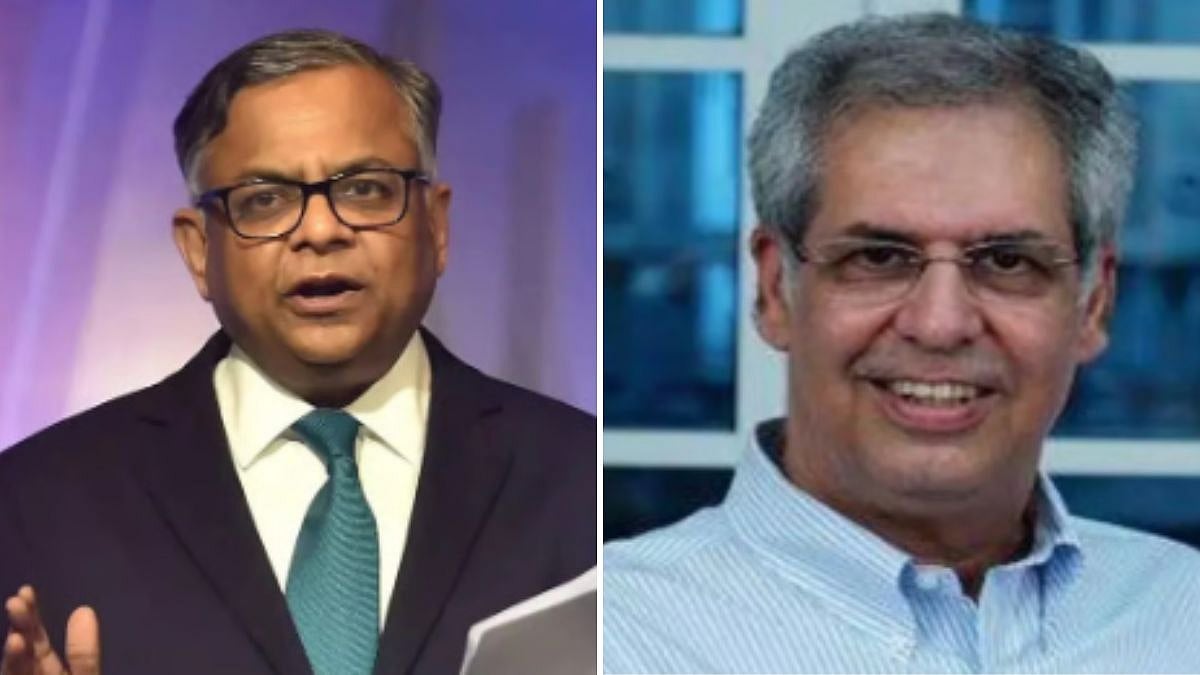
Noel Tata, who represents one of the major Tata Trusts interests, disagreed with that decision.
Tata Trusts owns 66% of Tata Sons, so its approval is needed at a shareholder meeting.
This means the board’s decision is not final yet.
The disagreement is also connected to Tata Sons’ possible stock-market listing.
Some experts say the board should be able to act independently.
Others say the largest shareholder’s wishes cannot be ignored.
The dispute could affect how companies in India balance board authority and shareholder control.

The Tata Sons board approved N. Chandrasekaran’s reappointment for another five years on September 17.
Noel Tata opposed the decision, after previously resisting a third term for Chandrasekaran.
Because Tata Trusts owns 66% of Tata Sons, shareholder approval is required before the reappointment is confirmed.
The dispute also involves Tata Sons’ potential listing and disagreements among Tata Trusts’ board nominees.
Lawyers and governance experts warn the confrontation could create a wider precedent for shareholder and board power in India.
- Who
- The Tata Sons board, Tata Trusts, N. Chandrasekaran, Noel Tata, and other Tata Trusts nominees are central to the dispute.
- What
- The Tata Sons board approved Chandrasekaran’s reappointment for five years, but the decision still requires shareholder approval and is opposed by Noel Tata.
- Where
- The dispute concerns Tata Sons in India, with related regulatory action involving the Maharashtra Charity Commissioner and the Reserve Bank of India.
- When
- The board approved the reappointment on September 17; Chandrasekaran’s current term ends on February 20.
- Why
- The conflict involves succession, concerns about investments in businesses including Air India and Tata Digital, Tata Sons’ proposed listing, and the balance of power between the board and Tata Trusts.
Tata Trusts and Shareholder Authority
Tata Sons Board and Director Independence
Who controls the reappointment?
Tata Trusts and Shareholder Authority
Tata Trusts argues that its 66% ownership gives it a decisive role, and the reappointment cannot proceed without shareholder approval.
Tata Sons Board and Director Independence
The Tata Sons board acted within its corporate responsibilities by approving Chandrasekaran’s reappointment, although the decision still requires a shareholder vote.
Chandrasekaran’s future
Tata Trusts and Shareholder Authority
Noel Tata opposed another term, citing reservations about investments in newer businesses and losses at businesses including Air India and Tata Digital.
Tata Sons Board and Director Independence
Four board members approved extending Chandrasekaran’s term for five years, reversing the earlier expectation that he would step down.
Independent directors and governance
Tata Trusts and Shareholder Authority
Governance critics say a board majority should not disregard the wishes of the controlling shareholder and warn that the episode could weaken shareholder rights.
Tata Sons Board and Director Independence
Supporters of board independence say directors have a fiduciary responsibility to the corporation and should make decisions based on the company’s interests rather than simply follow a shareholder’s instructions.
Key facts
- Tata Trusts ownership
- Tata Trusts holds 66% of Tata Sons.
- Board decision
- Four Tata Sons board members approved Chandrasekaran’s reappointment; Noel Tata dissented.
- Required next step
- A shareholder meeting must approve Chandrasekaran’s reappointment.
- Major trust holdings
- Sir Dorabji Tata Trust and Sir Ratan Tata Trust together account for 52% of Tata Sons.
- Listing issue
- The Reserve Bank of India asked Tata Sons to get listed after rejecting an exemption application.
- Trust governance dispute
- The Maharashtra Charity Commissioner blocked Sir Ratan Tata Trust from convening board meetings or passing resolutions.
- Potential timing
- The Tata Sons annual general meeting could be due in late November or early December under the timetable cited in the article.
Quotes
Institutional Investor Advisory Services
Corporate governance advisory firm
“The mutiny of the board against the controlling shareholder is possibly a first, and not the right precedent for corporate India. Will corporate India now have a set of independent directors making decisions that the promoter does not agree with?”
 businesstoday.in
“Corporate law requires the shareholders of Tata Sons to approve the reappointment at a shareholder meeting—an annual general meeting (AGM) or extraordinary general meeting (EGM)—which means Tata Trusts will have a say in the approval.”
businesstoday.in
Sources
Related news
Tata Sons Board, Trusts Face Protracted Chairman and IPO Battle
Tata Sons Board Reappoints Chandrasekaran Amid Trusts Challenge
Tata Trusts Lawyer Challenges Tata Sons Board Reappointment Decision
Tata Trusts Weighs Legal Challenge to Chandrasekaran Reappointment

Tata Sons Board Backs Chandrasekaran Amid Trusts Standoff
Tata Trusts Challenge Chandrasekaran Reappointment as Court Battle Looms
Congress Challenges Election Commission Over Internal Decision-Making Dispute
Opposition demands CEC removal after reported Election Commission dissent
Tata Sons Succession Row Centers on Articles and Chandrasekaran Reappointment
Tata Sons Reappointment Vote Triggers Article 121 Legal Dispute
