

2 hrs ago
Tata Trusts Challenge Chandrasekaran Reappointment as Court Battle Looms
Tata Sons is the company that owns parts of the wider Tata group, and Tata Trusts is its biggest shareholder.
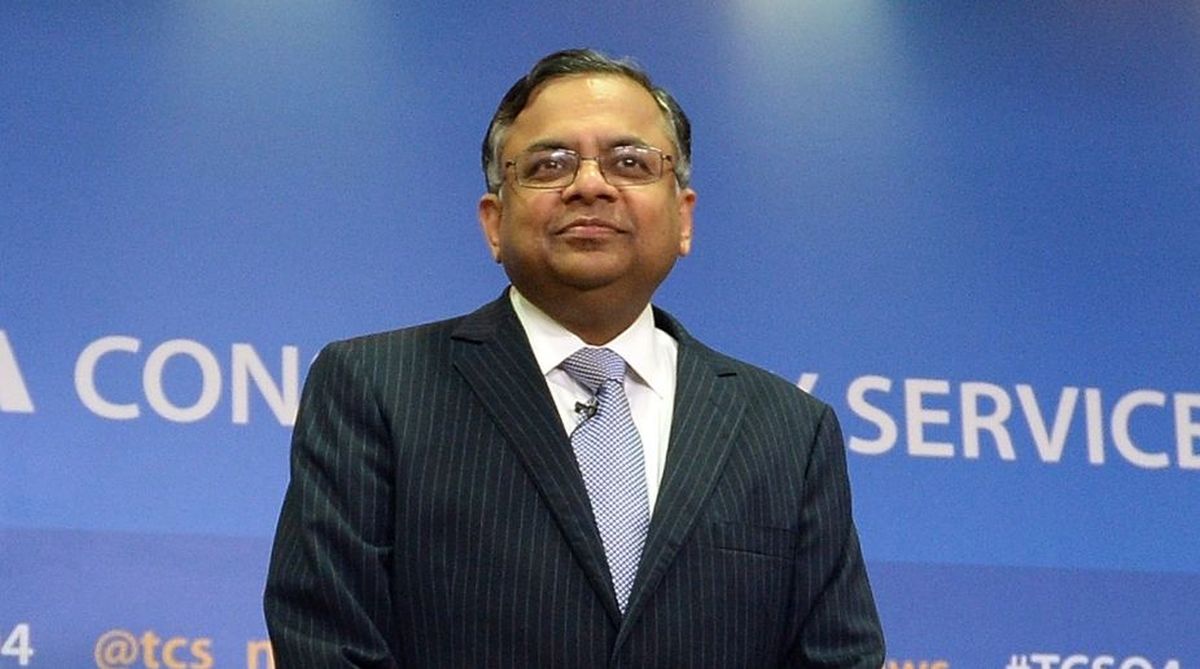
The company’s board voted to give chairman N Chandrasekaran another five-year term.
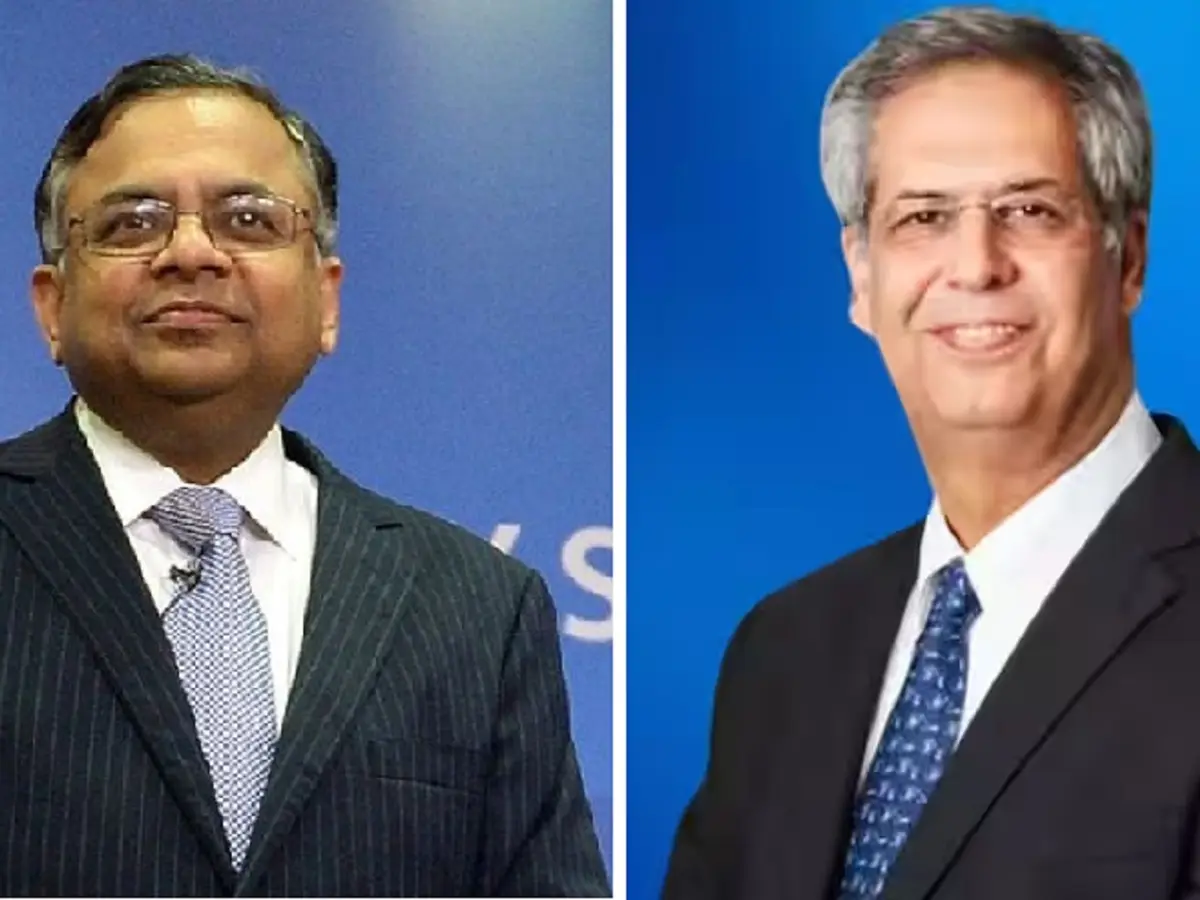
One Tata Trusts-nominated director, Noel Tata, voted against the decision.
The other nominee, Venu Srinivasan, voted for it.
Tata Trusts says its rules require enough support from its nominated directors before such a decision can be valid.
It says a chairman’s casting vote cannot fix this problem.
Tata Sons’ side maintains that the company cannot be left unable to make decisions and supports moving toward a public listing.
Both sides have hired prominent lawyers, so the disagreement may now be decided in court.

Tata Trusts challenged the September 17 resolution reappointing N Chandrasekaran as Tata Sons chairman for another five-year term.
The Trusts said the Articles of Association require affirmative support from a majority of Trust-nominated directors, a condition they say was not met.
Noel Tata opposed the resolution while fellow Trust nominee Venu Srinivasan supported it; the overall board nevertheless approved the reappointment.
The Trusts argued that a chairman’s casting vote cannot overcome the separate affirmative-voting requirement and called the resolution void from the outset.
Senior lawyers, including Abhishek Manu Singhvi and Harish Salve, are advising opposing sides as the dispute also encompasses Tata Sons’ possible listing.
- Who
- Tata Trusts and Tata Sons, concerning chairman N Chandrasekaran; Noel Tata and Venu Srinivasan were the two Trust-nominated directors involved in the vote.
- What
- Tata Trusts challenged the validity of Tata Sons’ September 17 board resolution reappointing Chandrasekaran for a further five-year term.
- Where
- The dispute concerns Tata Sons and its Articles of Association; the reports identify India’s corporate and legal system as the setting for the potential court battle.
- When
- The resolution was passed on September 17, 2026, and the reports were published on September 20, 2026; the new term is to begin February 21, 2027.
- Why
- Tata Trusts says the resolution lacked the affirmative support required from a majority of its nominated directors and that a casting vote cannot override that requirement.
Tata Trusts’ position
Tata Sons and Chandrasekaran’s position
Validity of the reappointment vote
Tata Trusts’ position
The Trusts say the resolution was invalid because it lacked the required affirmative support from a majority of Trust-nominated directors, and therefore was void from the outset.
Tata Sons and Chandrasekaran’s position
Tata Sons’ board approved Chandrasekaran’s further five-year term and its advisers argue that the company cannot operate in a state of deadlock.
Use of the casting vote
Tata Trusts’ position
The Trusts say a chairman’s casting vote is available only for an overall board tie and cannot create the separate majority required among Trust nominees.
Tata Sons and Chandrasekaran’s position
The Tata Sons position, as described in the reports, relies on the board’s approval and disputes the Trusts’ interpretation of how the Articles should operate in this situation.
Meaning of the Cyrus Mistry ruling
Tata Trusts’ position
The Trusts invoke the Supreme Court’s 2021 ruling, saying Tata Sons cannot reject special voting protections that it previously defended before the court.
Tata Sons and Chandrasekaran’s position
Tata Sons defended those provisions in the earlier litigation but now emphasizes directors’ duties to the company and its stakeholders rather than acting merely as representatives of the controlling shareholder.
Public listing and governance
Tata Trusts’ position
The Trusts oppose treating a listing as inevitable and say Tata Sons already follows several governance practices associated with listed companies.
Tata Sons and Chandrasekaran’s position
Tata Sons supports moving toward a public listing, while Harish Salve has argued that greater transparency and institutional oversight would benefit the organization.
Key facts
- Tata Trusts’ stake
- Tata Trusts holds about 66% of Tata Sons, according to one report.
- Chandrasekaran’s proposed term
- A further five-year term beginning February 21, 2027.
- Trust-nominated directors
- Noel Tata voted against the reappointment, while Venu Srinivasan voted in favor.
- Trusts’ legal argument
- The Trusts say the Articles of Association require affirmative support from a majority of Trust-nominated directors.
- Casting vote dispute
- The Trusts argue that a casting vote can break an overall board tie but cannot satisfy a separate affirmative-voting requirement.
- Earlier Supreme Court ruling
- The 2021 ruling in the Tata Sons-Cyrus Mistry case upheld the validity of the relevant special Articles, according to the reports.
- Possible listing
- Tata Sons’ board favors moving toward a public listing, while Tata Trusts says listing should not be treated as the only governance solution.
Quotes

Abhishek Manu Singhvi
Senior advocate advising Tata Trusts
“Whether the result of the vote was 4:1, or any other figure, is irrelevant. A condition is either met, or it is not. In this case the condition was not met.”
 financialexpress.com
“The exercise of a protective right conferred by a company’s own constitution is not a deadlock; it is that constitution working as it was written to work.”
financialexpress.com
Sources


Related news
Tata Trusts Challenge Chandrasekaran’s Reappointment and Casting Vote
Tata Sons Board, Trusts Face Protracted Chairman and IPO Battle
Tata Sons Reappoints Chandrasekaran as Trusts Call Vote Illegal
Tata Trusts Challenge Chandrasekaran’s Reappointment as Tata Sons Chairman
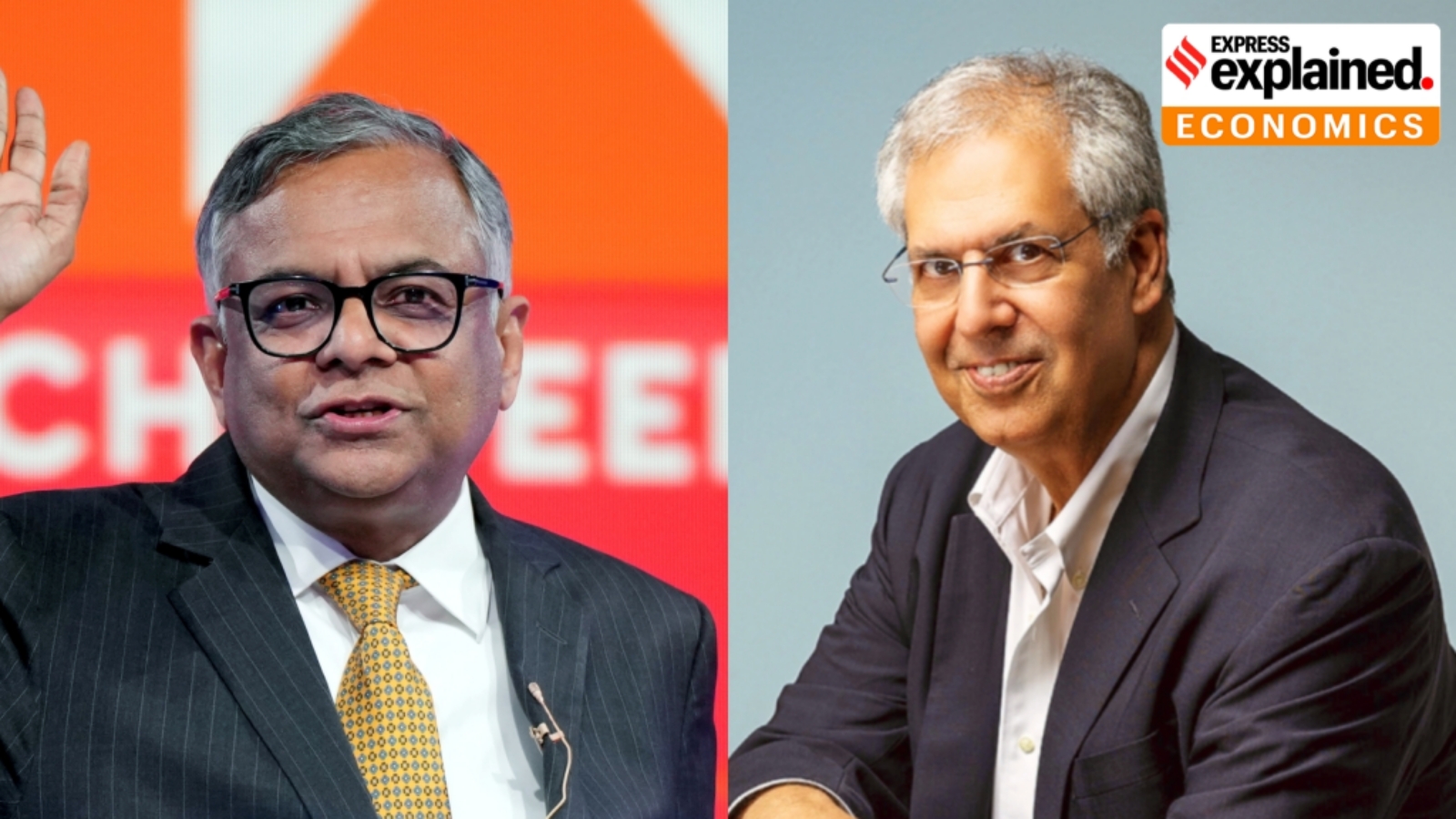
Tata Sons Board Reappoints Chandrasekaran Amid Trusts Challenge
Singhvi Takes Tata Trusts Case Amid Escalating Tata Dispute
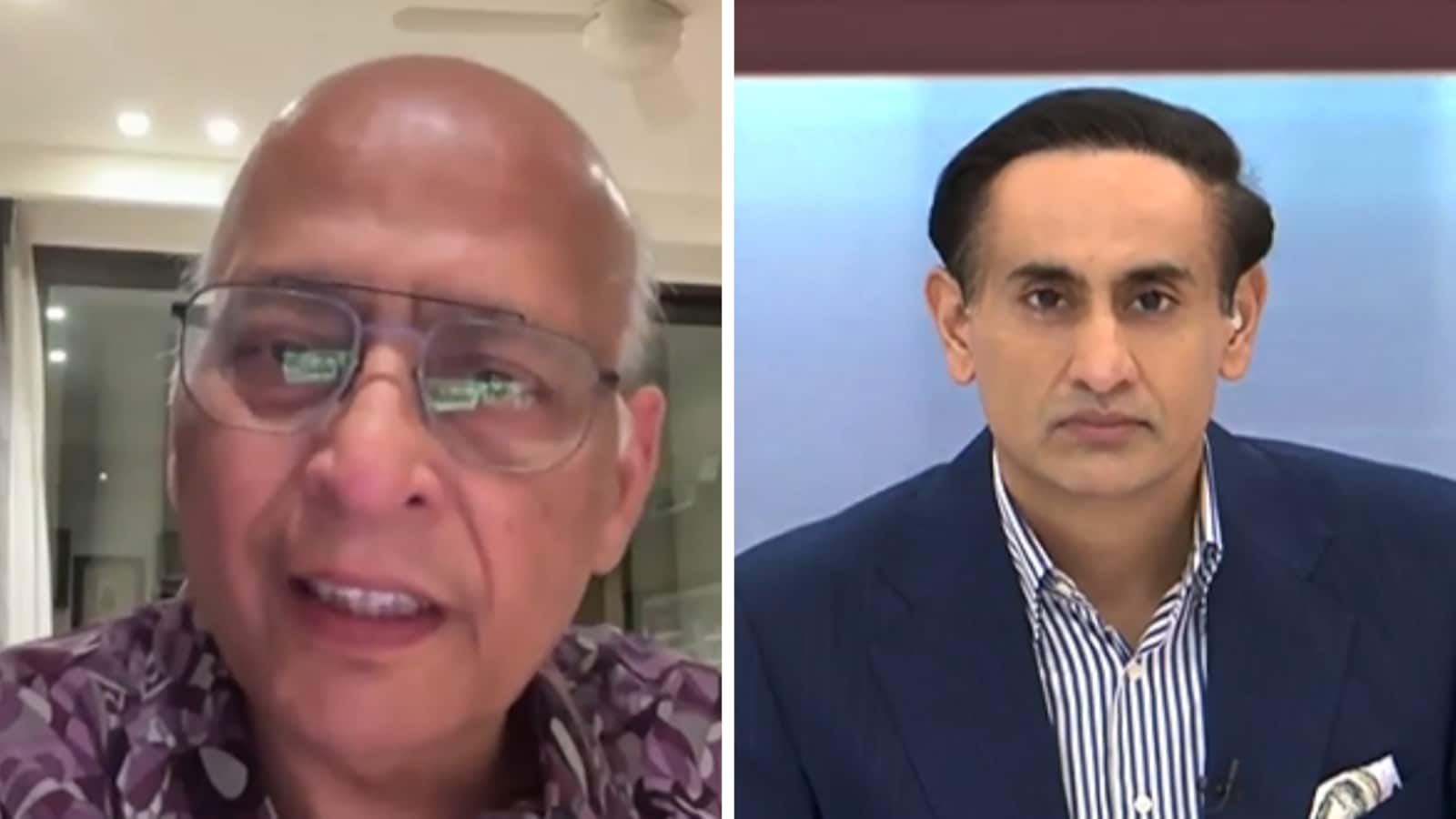
Tata Trusts Lawyer Challenges Tata Sons Board Reappointment Decision
ECI Says SIR Notices Do Not Mean Voter Deletion

Mehli Mistry Rejects TEDT Funding for Tata Legal Dispute
Delhi SIR Notices Expand to Advani, Sisodia and Other Leaders
