

1 month ago
Assam Floods Toll Rises to 78 Amid Heavy Rain Forecast

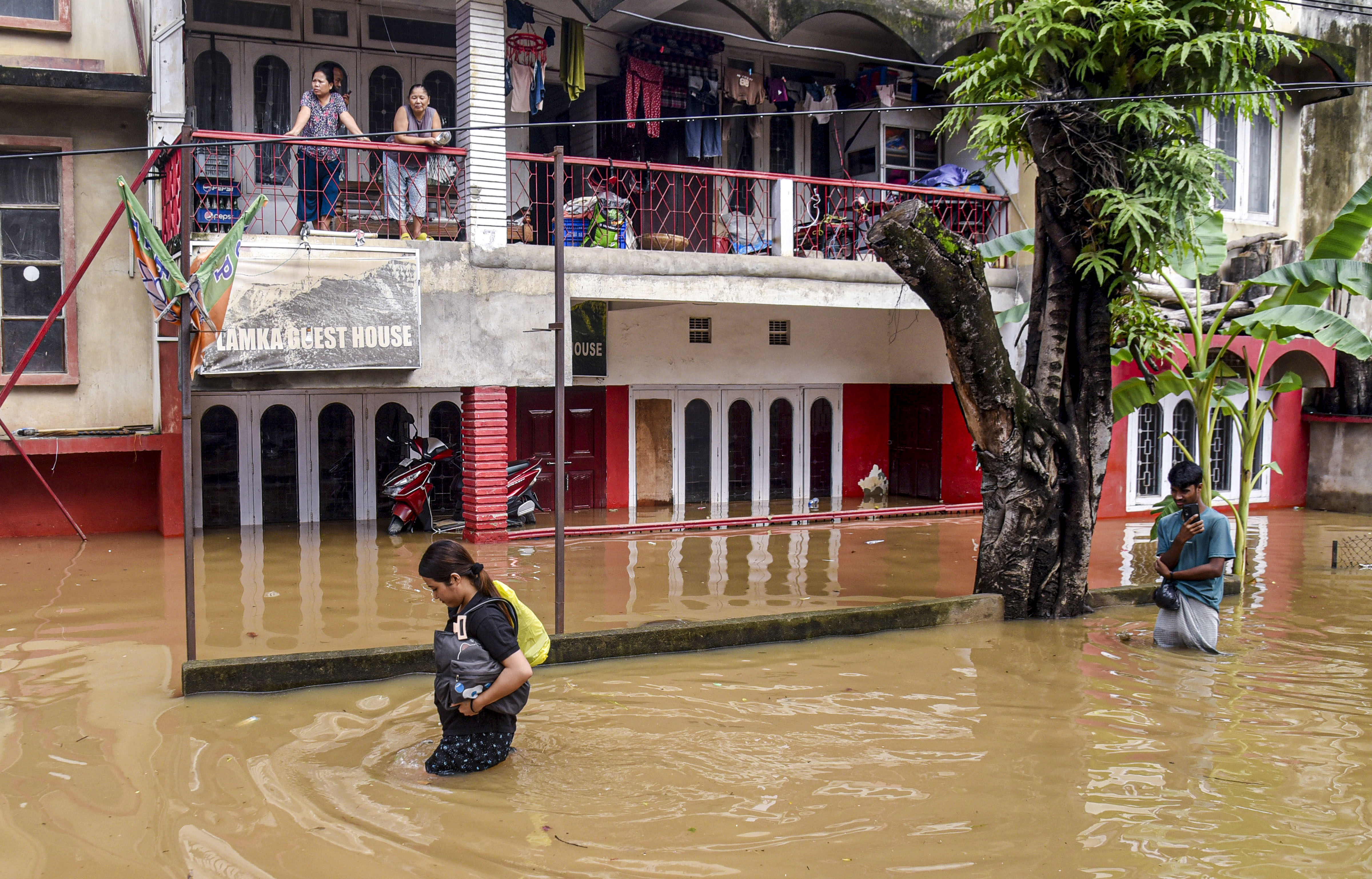
In Assam, India, a big flood has made many people sick and scared.
78 people have died and 300,000 people are still affected.
The weather is still very wet, so more rain is expected until August 1.
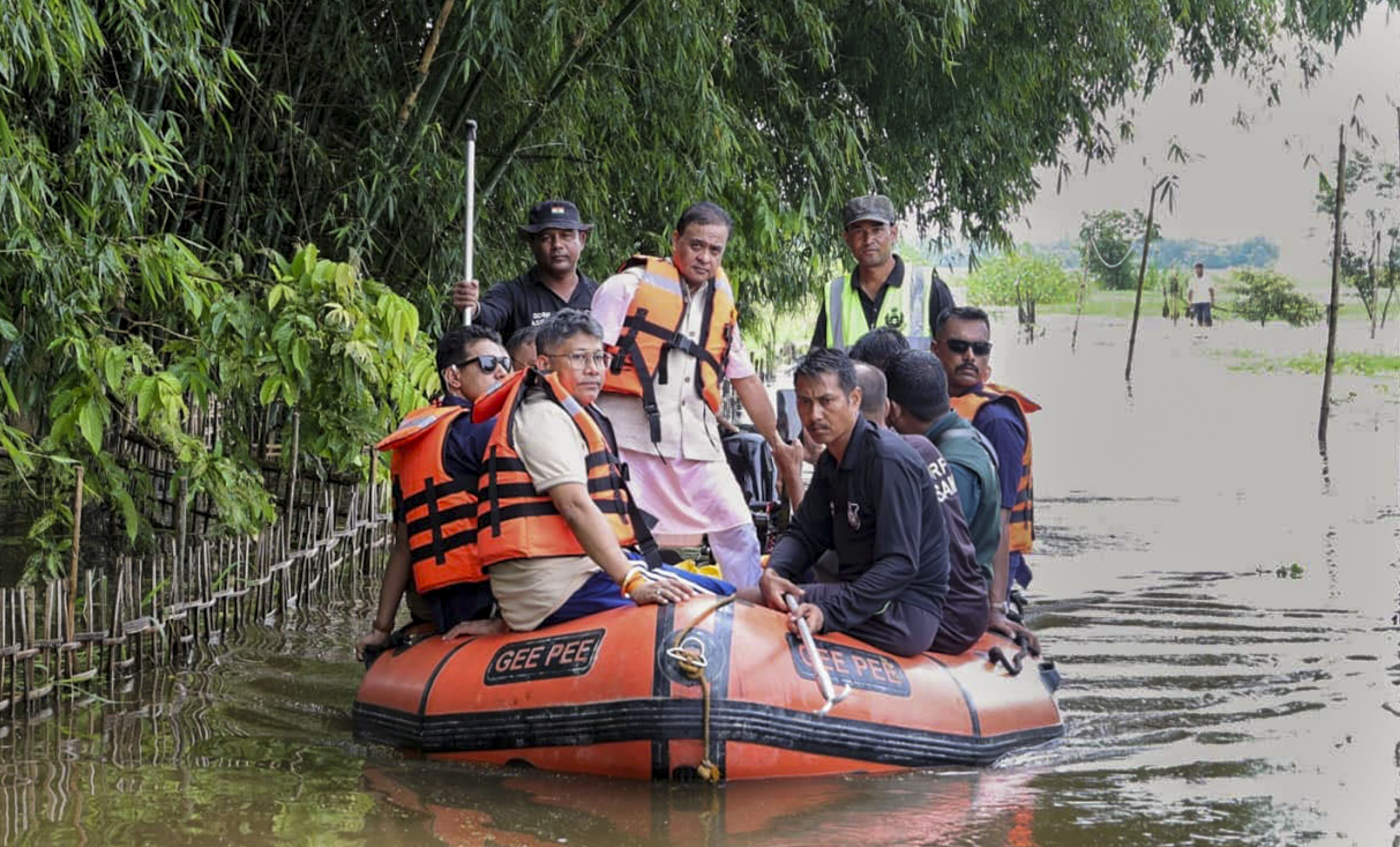
The Indian Army and other groups are helping by rescuing people, giving food and water, and fixing damaged houses.
The state government says it will rebuild everything and help families get back home.

Death toll from Assam floods rises to 78, with 300,031 people affected.
Heavy rainfall forecasted across Assam, Arunachal Pradesh, and Nagaland until August 1.
Major districts hit include Kamrup (Metro), Nagaon, Sonitpur, Golaghat, Jorhat, Sivasagar, and Charaideo.
Indian Army’s OpJalRahat has rescued over 1,000 civilians and distributed 30,500+ food packets.
Assam government will resume the Orunodoi scheme and promises to rebuild damaged infrastructure.
- Who
- Assam residents, Indian Army, Assam State Disaster Management Authority, Chief Minister Himanta Biswa Sarma, Union Home Minister Amit Shah
- What
- Floods in Assam, heavy rainfall forecast, rescue and relief operations, government response
- Where
- Assam, India (Kamrup, Nagaon, Sonitpur, Golaghat, Jorhat, Sivasagar, Charaideo)
- When
- July 29, 2026
- Why
- Heavy rainfall causing flooding and waterlogging
Key facts
- Death toll
- 78
- Affected people
- 300,031
- Heavy rainfall forecast
- up to 11 cm/day in Arunachal, 12-20 cm in Papumpare, until Aug 1
- Major districts hit
- Kamrup (Metro), Nagaon, Sonitpur, Golaghat, Jorhat, Sivasagar, Charaideo
- Relief camps
- 71 camps, 16,500 displaced residents
- Rescue operations
- Indian Army rescued >1,000 civilians, distributed 30,500+ food packets
Quotes
ASDMA representative
Official of Assam State Disaster Management Authority
“"We will restore every piece of infrastructure damaged by the floods: stronger, more resilient and future ready. No family in the affected areas will be left behind."”
 indianexpress.com
“"It may aggravate waterlogging, flooding, flash floods, slow vehicular movement, and increase the risk of localised landslides in vulnerable pockets."”
indianexpress.com
Sources
Related news
Assam Floods Remain Serious, More Rain Predicted, Toll at 101
Assam Flood Death Toll Reaches 95, 1.6 Lakh Affected
Assam Floods: Death Toll Reaches 100, Affecting 10 Districts

Assam floods kill 89; Nadda promises government support

Assam Flood Death Toll Rises to 95; 1.6 Lakh Affected

Press Bodies Challenge FIR Over ABP's 'Gerua Gundami' Report
Saffron Protesters Paint Anandabazar Patrika Office After Headline Row

Press Bodies Condemn Kolkata FIR Over ‘Saffron Hooliganism’ Reports

Nepali youths rally to demand Indian Army Agniveer recruitment

Bollywood dialogues celebrate patriotism ahead of Independence Day 2026
