3 hrs ago
India Targets 30 GW Private Nuclear Capacity by 2047

India wants to produce much more electricity from nuclear power by 2047.
It hopes private companies will invest about Rs 7.5 lakh crore and build 30 GW of capacity.
The overall goal is 100 GW, compared with about 9 GW now.
A new law allows private companies to participate, while the government keeps control over sensitive activities.
Some companies may begin operating reactors in about five years, according to Ajit Kumar Mohanty.
India is also considering smaller reactors for factories that need a steady supply of electricity.
Its longer-term plan aims to use thorium, a resource found in India, as part of the nuclear fuel cycle.
A reactor at Kalpakkam reached an important operating milestone in April 2026.

Atomic Energy Commission Chairman Ajit Kumar Mohanty said private investment of about Rs 7.5 lakh crore could deliver 30 GW of nuclear capacity by 2047.
India aims to expand total nuclear capacity from about 9 GW currently to 100 GW by 2047.
The SHANTI Act, enacted in December 2025, opened the sector to broader public and private participation while retaining sovereign control over sensitive activities.
India is exploring small modular reactors for specialised power needs, including those of energy-intensive industries such as steel and cement.
The Prototype Fast Breeder Reactor at Kalpakkam achieved first criticality in April 2026, advancing India's three-stage nuclear programme.
- Who
- India's Atomic Energy Commission Chairman Ajit Kumar Mohanty described the plans; private companies are expected to contribute to expansion.
- What
- India aims for 100 GW of nuclear capacity by 2047, including 30 GW from private-sector investment of about Rs 7.5 lakh crore.
- Where
- India; the Prototype Fast Breeder Reactor is at Kalpakkam, Tamil Nadu.
- When
- The target year is 2047; the SHANTI Act was enacted in December 2025, and the PFBR achieved first criticality in April 2026.
- Why
- To expand nuclear electricity generation, meet specialised industrial power needs, and advance a fuel programme designed to make greater use of domestic thorium resources.
Expansion opportunities
Constraints and conditions
Private-sector entry
Expansion opportunities
Mohanty expects private players to contribute 30 GW by 2047, with a couple potentially running reactors within five years.
Constraints and conditions
Nuclear projects require major upfront capital and typically take five to seven years to build; investors must assess technologies, fuel, land, partnerships and project costs.
Small modular reactors
Expansion opportunities
SMRs could provide reliable, low-carbon electricity for energy-intensive industries such as steel and cement.
Constraints and conditions
Their usefulness depends on reactor design, regulatory provisions and the commercial model adopted.
Key facts
- Nuclear capacity target
- 100 GW by 2047
- Expected private-sector contribution
- 30 GW
- Expected private-sector investment
- About Rs 7.5 lakh crore
- Current installed capacity
- About 9 GW
- Reactors operated by NPCIL
- 24 reactors, with a combined capacity of about 9 GW
- Reactors being implemented
- 17 reactors with total capacity of around 13 GW
- SHANTI Act
- Enacted in December 2025 to open the sector to broader participation
- PFBR milestone
- Achieved first criticality at Kalpakkam in April 2026
Quotes
Ajit Kumar Mohanty
Atomic Energy Commission Chairman and Secretary of the Department of Atomic Energy
“Five years from now, I expect a couple of private sector players to run reactors. We think that about 30 GW should come from them by 2047. It costs around Rs 25 crore to generate 1 MW.”
 rediff.com
Sources
Related news
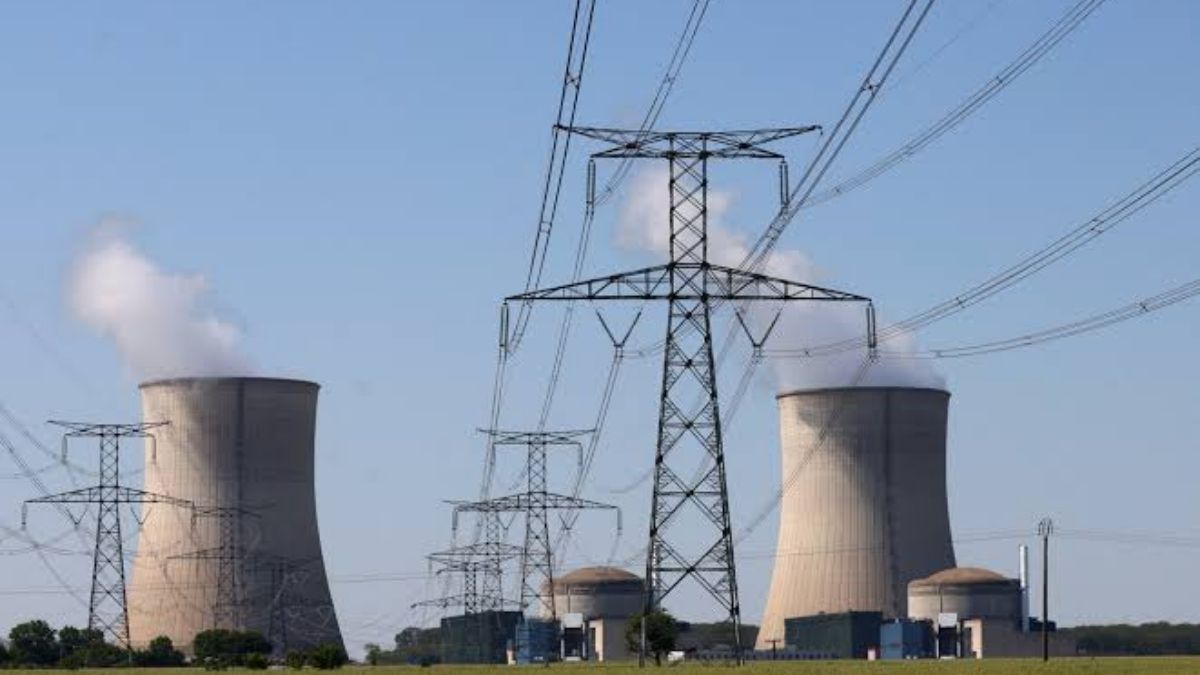
BARC Partners Industry for Rs 9,000-Crore Modular Reactor Plan
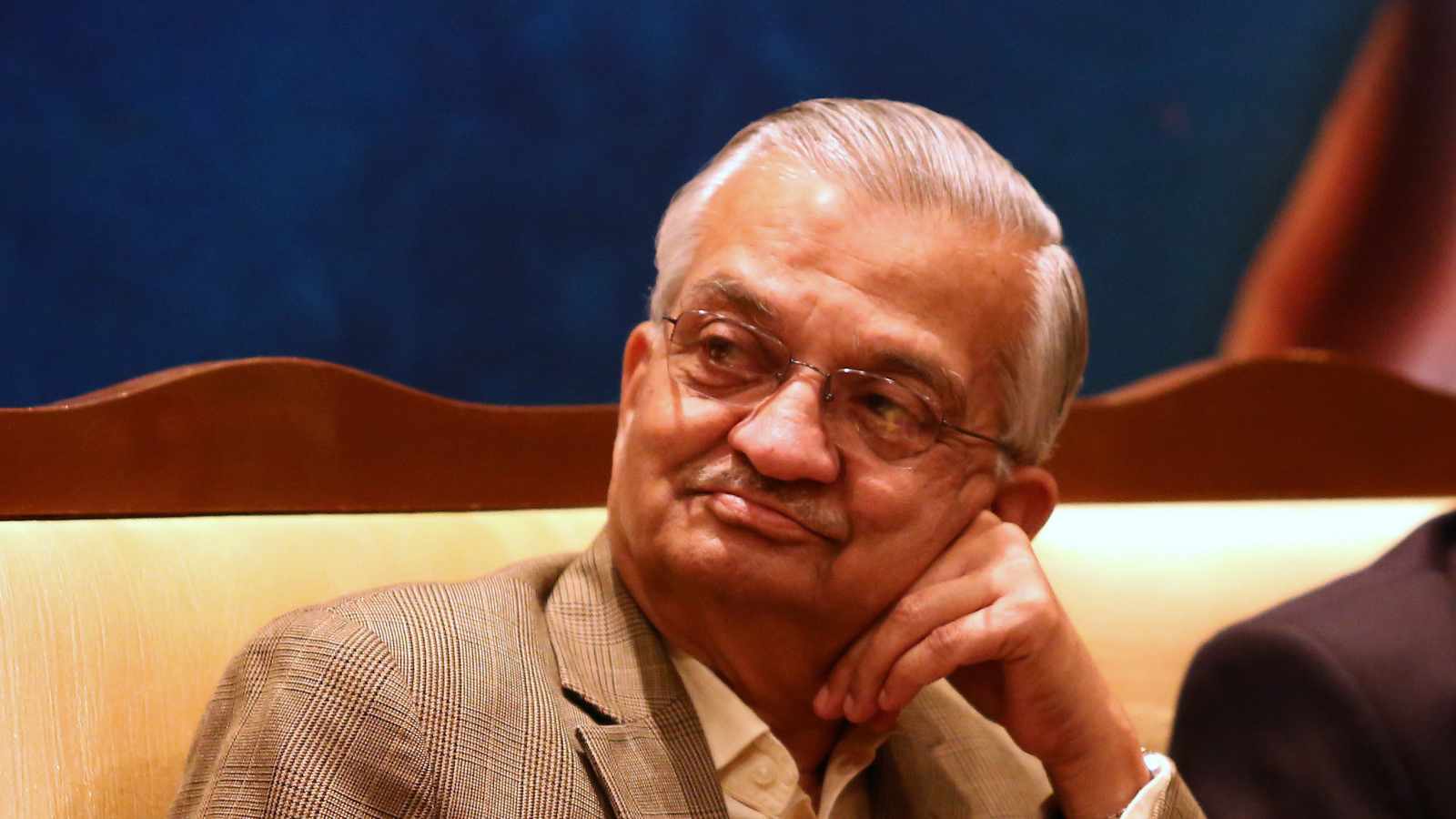
India’s Scientist Urges Early Thorium Shift in PHWR Fleet
India’s Nuclear Build-Out Puts Three Equipment Stocks In Focus

India and US Discuss Nuclear Expansion and Energy Cooperation
India, France Advance Talks On Nuclear Reactor Deployment

BARC Explores Private Partnerships for 300MW Small Reactors

India Eyes Major Tech Transformation Driven by Emerging Technologies
India's Nuclear Energy Path Highlights Thorium and Balanced Power Sources

Nuclear Energy Exhibition Opens at Godavari Global University
Scientist Urges Earlier Thorium Use in India’s Nuclear Reactors