1 hr ago
How Thoughts Shape Emotions, Behavior, and Everyday Experience
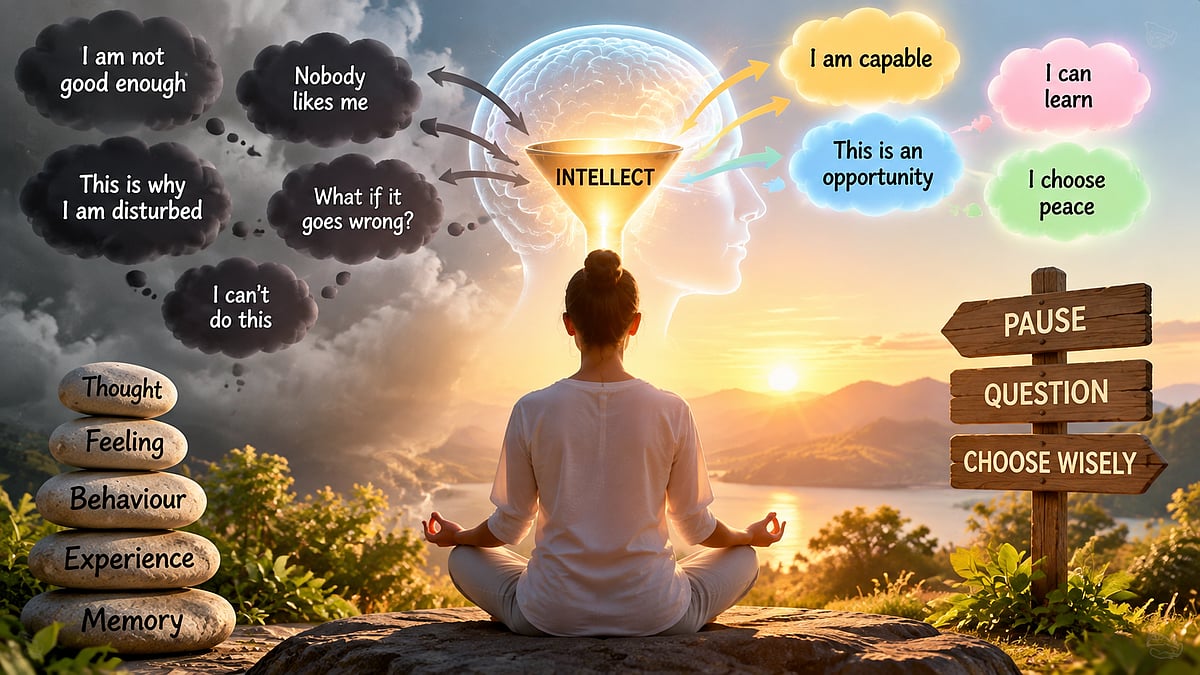
Our minds have many thoughts every day.
We cannot always stop thoughts from appearing.
However, we can choose which thoughts to focus on.
A thought can affect how we feel.
Our feelings can change how we behave.
Our behavior can shape what happens next.
Repeated negative thoughts can become habits.
The article says that noticing and questioning these thoughts can help us feel and act differently.

The article argues that thoughts, rather than circumstances alone, strongly influence emotional states.
It describes the intellect as a filter that can evaluate whether a thought is helpful or harmful.
Negative beliefs such as “I am not good enough” may affect confidence, behavior, and perceptions of rejection.
The article presents a cycle in which thoughts create feelings, feelings influence behavior, and experiences reinforce future thoughts.
It concludes that awareness and practice can help people question negative thought patterns and reduce suffering.
- Who
- The article is written by a spiritual educator and columnist, whose name is not stated.
- What
- It explains how thoughts can shape emotions, behavior, memories, and personal experiences.
- Where
- When
- Why
- To encourage readers to notice, question, and change harmful thought patterns.
Key facts
- Central idea
- Thoughts influence emotions, behavior, and how people interpret experiences.
- Mental filter
- The intellect is described as a pause or filter between thoughts and actions.
- Example negative thoughts
- “I am not good enough” and “Nobody really likes me.”
- Described cycle
- Thoughts create feelings, feelings influence behavior, and experiences return to the mind as memories.
- Pattern change
- The article says negative patterns can be disrupted through awareness and practice.
- Author description
- The writer is identified as a spiritual educator and popular columnist.
Sources
Related news
How Unconscious Impressions Shape Who We Become

Peace Is a Power Built Through Daily Choices

Dr. Deepti Verma Launches Master Your Mind & Body

Spiritual Knowledge Offers Strength Against Life’s Sorrow

Breaking Bad Habits Requires Strong Will and Faith
Nana Patekar Says Emotional Shock Helped End Smoking

Bhiwandi Civic Body Enlists Religious Leaders for Health Drive
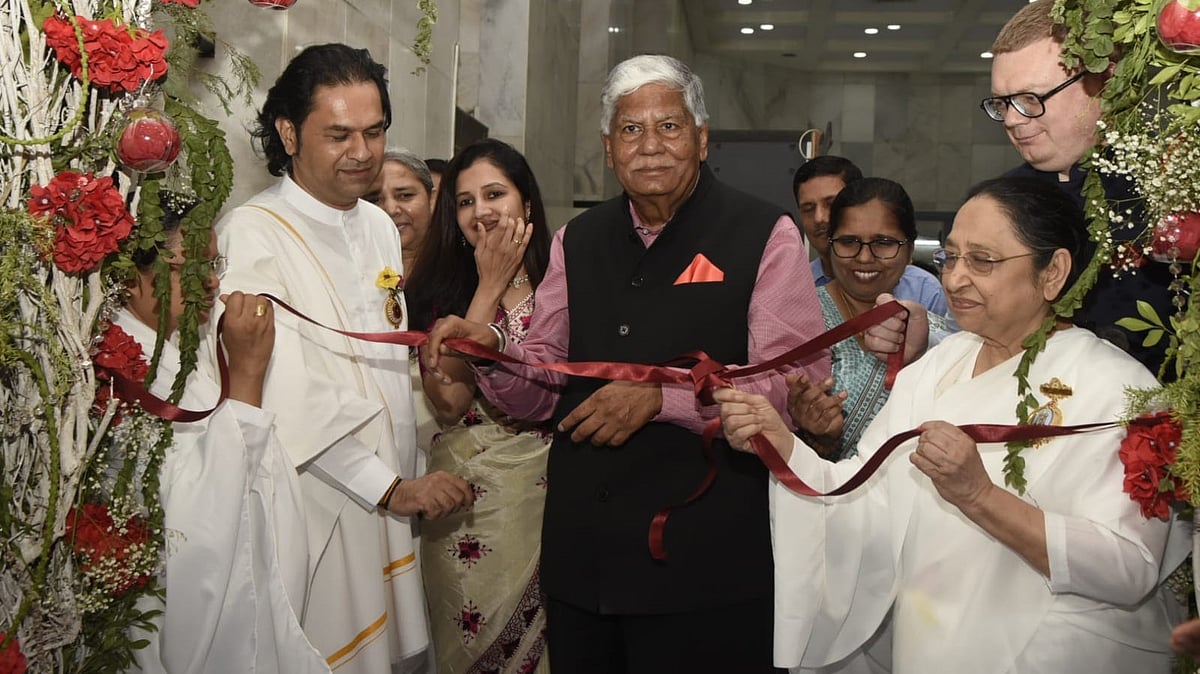
Book Launch and Art Exhibition Promote Inner Wellbeing
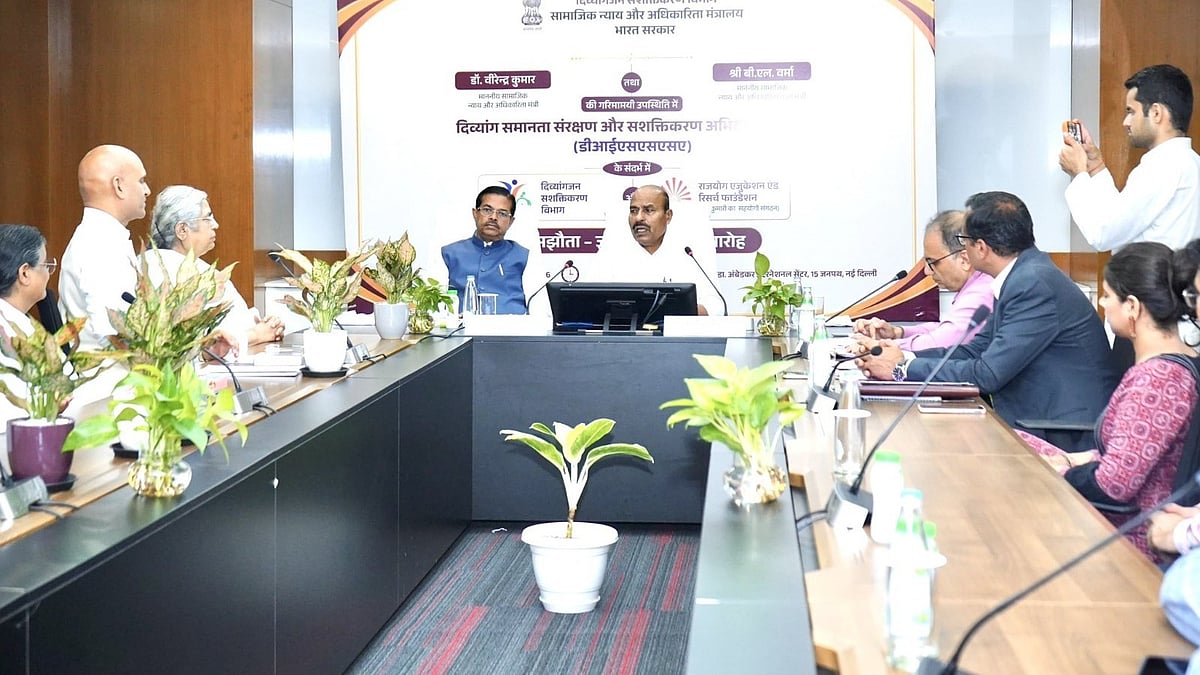
India Launches DISSSA Campaign to Empower Persons with Disabilities
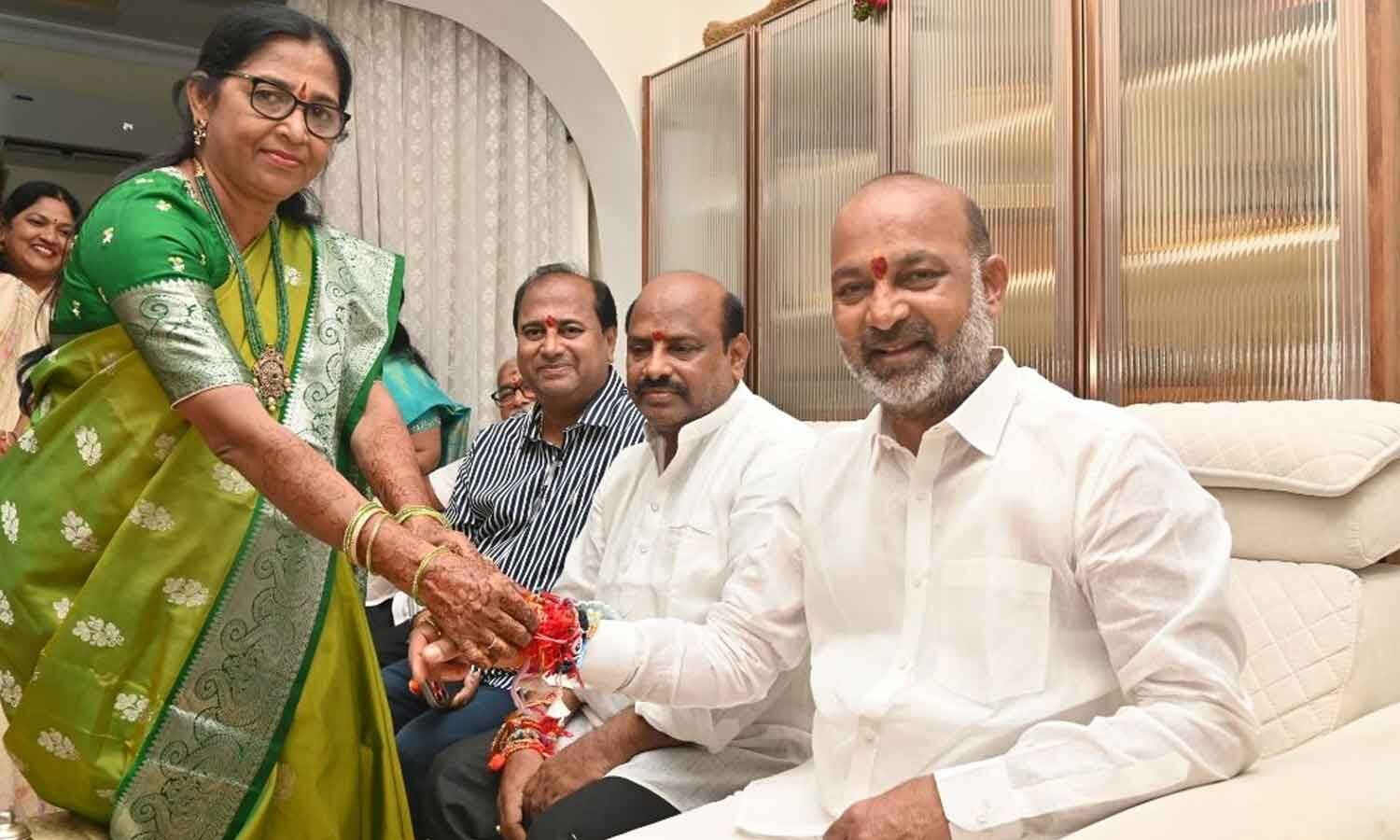
Karimnagar Celebrates Raksha Bandhan With Tradition, Care and Community