1 week ago
How Unconscious Impressions Shape Who We Become
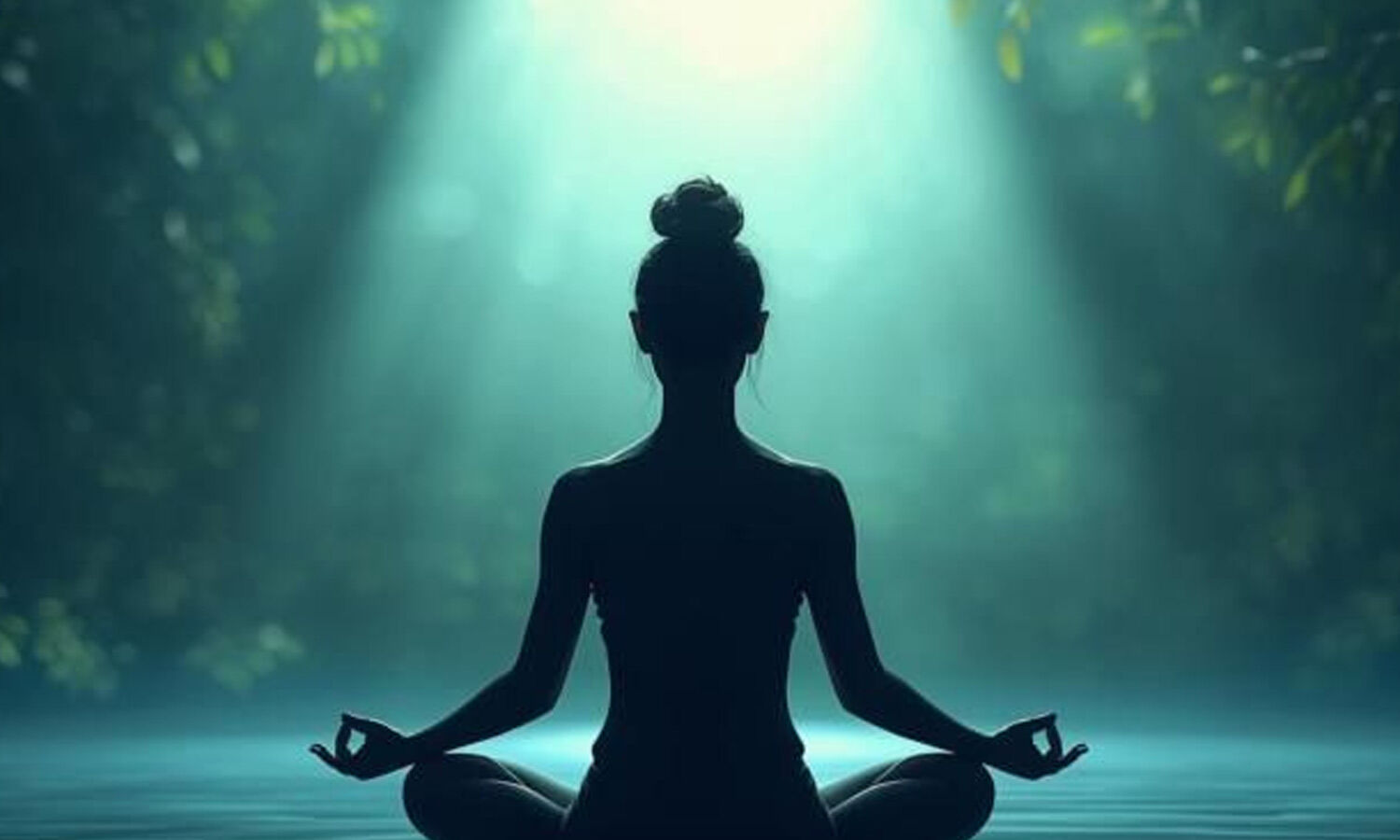
The article says that many parts of who we are form without us noticing.
Our senses collect information from everything we experience.
These memories and impressions can create habits and tendencies.
In yoga, these tendencies are called vasanas.
Difficult experiences can make people feel like victims, but they do not have to control the future.
The lotus is used as an example because it grows in muddy water but becomes a beautiful flower.
The article says people can learn from painful experiences and avoid repeating them.
By observing the body and mind instead of feeling completely identified with them, people may gain more freedom.
The writer says each person can choose to be a victim, a spectator, or the master of life.

Much of a person’s identity develops unconsciously from accumulated sensory impressions.
These stored impressions are described as karma, while resulting behavioral tendencies are called vasanas.
Past experiences may influence a person, but they do not determine what that person makes of them.
The lotus symbolizes transforming difficult circumstances into wisdom and positive growth.
Creating distance from the body and mind is presented as a way to reduce karma’s influence.
- Who
- The article is written by Sadhguru, who discusses how people develop their identities and tendencies.
- What
- It explains how sensory impressions, karma, and vasanas shape behavior, and argues that conscious awareness can change their influence.
- Where
- Not specified.
- When
- Not specified.
- Why
- The article aims to show that people can transform past impressions and gain greater control over their lives.
Key facts
- Writer
- Sadhguru
- Central concept
- Much of a person’s identity is formed unconsciously through accumulated impressions.
- Karma
- The article describes karma as information or impressions stored through the five senses.
- Vasana
- A vasana is described as a tendency created by gathered impressions.
- Key metaphor
- The lotus represents transforming difficult conditions into something beautiful.
- Proposed practice
- Creating distance between oneself and the body and mind may lessen the influence of karma and vasanas.
- Writer’s distinction
- People may choose to live as victims, spectators, or masters of their lives.
Quotes
People describing their unpleasant experiences
An illustrative description of how people commonly explain their identity through past unpleasant experiences
“This happened; somebody did this to me, that is why I am like this.”
 thehansindia.com
Sources
Related news

Breaking Bad Habits Requires Strong Will and Faith

Knowledge, Gratitude and Belongingness Offered as Antidotes to Jealousy
Udayan Vajpeyi on Literature, Science, Memory and the Eternal

Ilashrei Anand Brings Therapy to India's Roots Through Advaita Vedanta