1 month ago
Punjab panel questions rising Buprenorphine procurement, de-addiction success
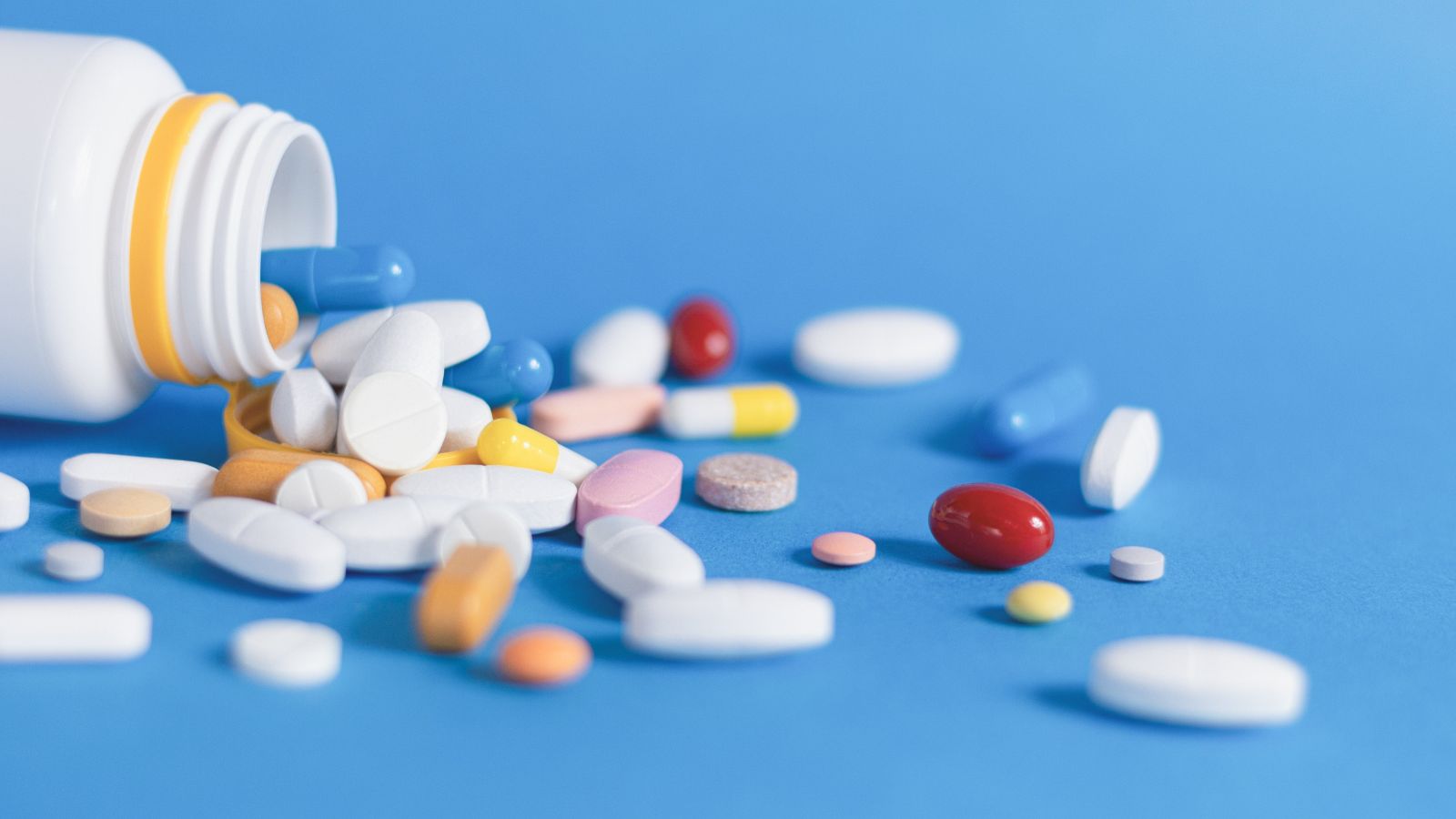
In the Indian state of Punjab, the government gives a medicine called Buprenorphine to help people stop using dangerous drugs.
Over the last four and a half years, the state has bought a very large number of these tablets.
The number of people going to special drug treatment clinics has also grown, from about 2 lakh to more than 3 lakh.
Some members of the state assembly are not sure this is working well.
They ask: are people really getting better, or are they just depending on a new medicine?
The health officials say the medicine is safe, like medicine for long-term illnesses such as diabetes.
But the committee says the government cannot say how many people have completely quit drugs.
It also found that some patients misuse the medicine by injecting it.
The government says more tablets are used now because treatment is expanding, especially inside prisons.
The committee says success should be measured by people stopping drugs forever, not by how many tablets are bought.

Punjab procured 43.44 crore Buprenorphine tablets over about 4.5 years for opioid substitution therapy.
Annual procurement rose from 7 crore tablets in 2022 to 11 crore in 2025, with 6 crore more in the first half of 2026.
Patients registered at OOAT clinics grew from about 2 lakh in 2022 to nearly 3.17 lakh in 2026.
A Punjab Vidhan Sabha committee questioned whether rising registrations and procurement prove success when no data shows how many addicts fully recovered.
Supply of tablets to Punjab prisons jumped nearly eight-fold, from 1.17 crore in 2022 to about 8.87 crore in 2026.
- Who
- Punjab Vidhan Sabha's Committee on Government Assurances, chaired by AAP MLA Jagrup Singh Gill, and Punjab Health Minister Dr Balbir Singh
- What
- A legislative committee questioned whether Punjab's sharply rising Buprenorphine procurement reflects effective de-addiction or a new medicine dependence
- Where
- Punjab, India
- When
- The 129th Report (2026-27) was tabled on Thursday, covering data from 2022 through mid-2026
- Why
- Procurement of de-addiction tablets rose steeply, including an almost eight-fold jump in prison supply, with no data on how many patients fully recovered
Committee scrutiny
Government justification
Measuring success
Committee scrutiny
Rising registrations and medicine procurement cannot be treated as success indicators when the government cannot specify how many addicts completely recovered.
Government justification
A person who has stopped consuming illicit drugs and takes Buprenorphine under medical supervision is considered de-addicted.
Long-term dependence on Buprenorphine
Committee scrutiny
The state may be replacing drug addiction with dependence on another medicine, including among prisoners, creating a new challenge.
Government justification
Buprenorphine taken under medical supervision does not risk death from overdose, and there is no fixed duration of therapy, similar to medicines for chronic diseases like diabetes.
Rise in medicine supply to prisons
Committee scrutiny
Prison supplies rose almost eight-fold while prisoner numbers did not grow so drastically, warranting closer scrutiny.
Government justification
The increase reflects the government's decision to expand de-addiction services, with dedicated wards and OOAT clinics now established inside jails.
Key facts
- Total Buprenorphine procured
- 43.44 crore tablets (2 mg) over about 4.5 years
- Annual procurement
- 7 crore (2022), 9.44 crore (2023), 10 crore (2024), 11 crore (2025)
- Procurement in 2026 to date
- 6 crore tablets in the first six months
- Patients at OOAT clinics
- About 2 lakh (2022) to nearly 3.17 lakh (2026)
- Tablets supplied to prisons
- 1.17 crore (2022) to about 8.87 crore (2026)
- Ludhiana Civil Hospital de-addiction centre
- Over 250 patients daily with only 15 dedicated beds
- Report
- 129th Report (2026-27) of the Committee on Government Assurances on the Punjab Health Systems Corporation
Quotes
Jagrup Singh Gill
AAP MLA and committee chairman
“The number of prisoners does not increase so drastically. Why has the supply of these tablets gone up so sharply? We must ensure that while trying to free people from drug addiction, we do not end up creating dependence on another medicine.”
 indianexpress.com
“There should be no misunderstanding. The increase is because we have strengthened treatment facilities inside jails.”
indianexpress.com
Sources
Related news
Punjab Rehab Admissions Surge as Anti-Drug Campaign Intensifies
Punjab Needs a Recovery Plan for Its Young

Punjab MP alleges drugs sold like toffees, demands stronger action
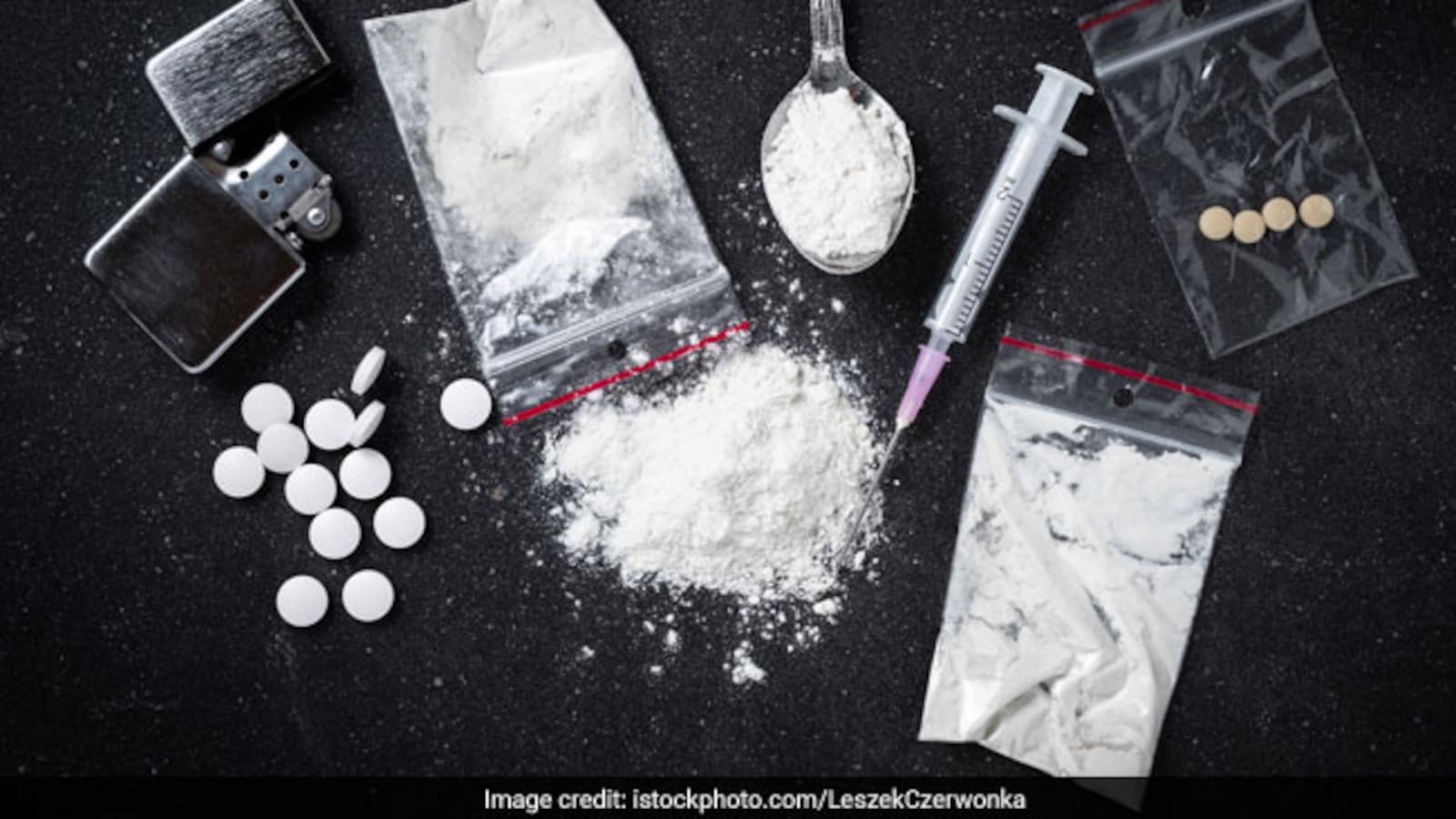
Punjab Drug Crisis Fuels Political Fight Over AAP Record
Punjab Congress Leader Challenges BJP Over Anti-Drug Yatra
Akal Takht Leader Challenges AAP Claims on Punjab Drug Crisis

Cyclist Critically Injured After Speeding Car Hit-and-Run in Amritsar
Chandigarh Halts Raja D King’s Proposed iPhone Langar
Suspect killed in Amritsar encounter over ASI killing case
Lost Punjab Pilgrim Reunited After ChatGPT Helps Trace Village
Punjab Politics Brings Egg Battles, Tea Stops and Election Theatre