1 hr ago
Punjab Rehab Admissions Surge as Anti-Drug Campaign Intensifies
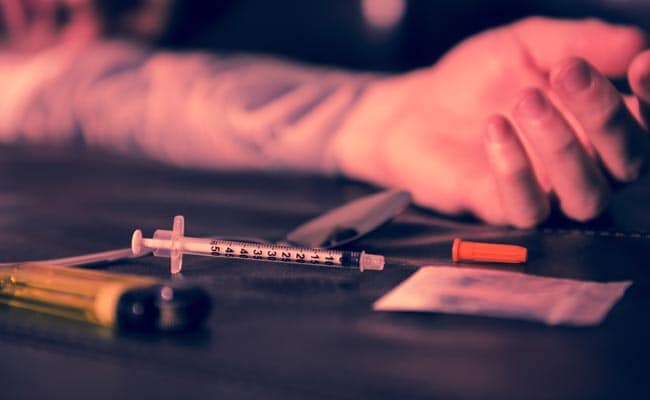
Punjab recorded a large rise in the number of people seeking help for drug dependence.
Admissions to government de-addiction centres rose sharply between 2024 and 2025.
Admissions to rehabilitation centres also increased by an even larger percentage.
The government says this means more families trust the treatment system and are willing to ask for help.
It also says its campaign combines action against traffickers, treatment and prevention.
Opposition parties say the continuing demand for treatment shows that the drug problem remains serious.
However, the numbers alone cannot prove whether drug dependence itself has increased or decreased.
More admissions can also result from better awareness, access, capacity or reduced stigma.
The issue is likely to remain important before Punjab’s 2027 elections.

Admissions at Punjab government de-addiction centres rose from 9,577 in 2024 to 25,290 in 2025, an increase of about 164%.
Government rehabilitation-centre admissions increased from 2,644 to 8,574 during the same period, a rise of about 224%.
More than 14,000 people had entered de-addiction centres and over 5,800 rehabilitation centres by July 2026.
New registrations in the Outpatient Opioid Assisted Treatment network rose from 13,033 in 2024 to 17,702 in 2025, with over 12,500 recorded by August 2026.
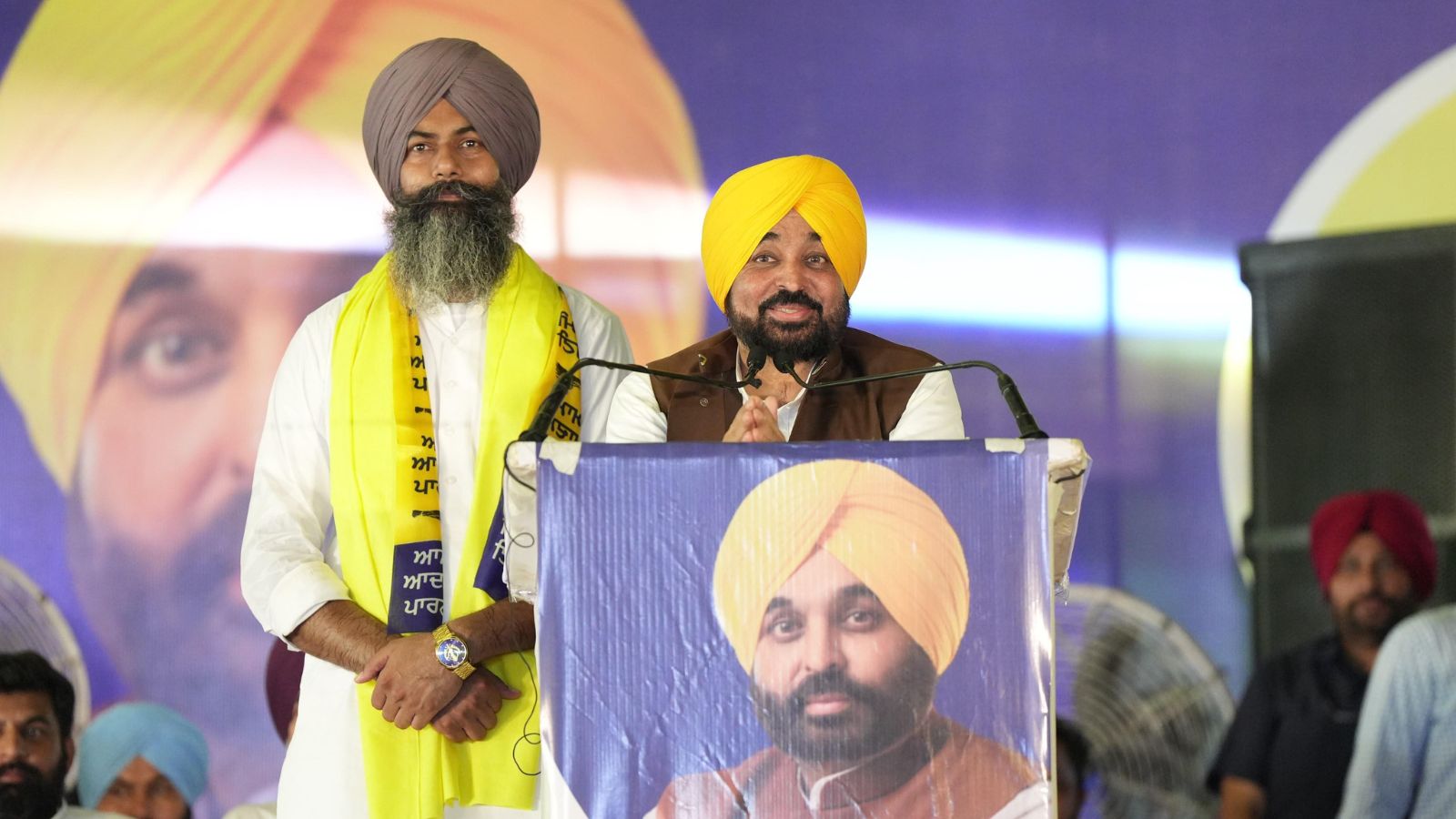
The figures have become politically significant as the Bhagwant Mann government promotes its anti-drug campaign ahead of Punjab’s 2027 Assembly elections.
- Who
- The Punjab government led by Chief Minister Bhagwant Mann, people affected by drug dependence, their families and opposition parties.
- What
- Government data shows sharp increases in admissions to de-addiction and rehabilitation centres and registrations in the outpatient treatment network.
- Where
- Punjab, particularly its government-run de-addiction, rehabilitation and Outpatient Opioid Assisted Treatment centres.
- When
- Admissions increased from 2024 to 2025; additional figures were reported through July and August 2026, after the campaign began in March 2025.
- Why
- The government attributes the rise to greater awareness, confidence in treatment services and willingness to seek help, while opposition parties cite continued treatment demand as evidence that the drug crisis remains entrenched.
Government’s interpretation
Opposition’s concern
Meaning of rising admissions
Government’s interpretation
The Bhagwant Mann government says higher admissions show that affected people and their families are increasingly coming forward and that the treatment network is reaching more people.
Opposition’s concern
Opposition parties can point to the continued demand for treatment as evidence that drug abuse and the wider crisis remain deeply entrenched in Punjab.
What the data proves
Government’s interpretation
The government presents the figures as an encouraging outcome of its anti-drug campaign and treatment infrastructure.
Opposition’s concern
The figures alone do not establish whether underlying drug dependence has increased or decreased; they may also reflect greater awareness, access, capacity or willingness to seek help.
Campaign performance
Government’s interpretation
The government says “Yudh Nasheyan Virudh” is addressing the issue through action against traffickers, treatment and rehabilitation, and prevention.
Opposition’s concern
Opposition parties continue to question whether the state has sufficiently contained the availability and supply of narcotics.
Key facts
- De-addiction admissions
- 9,577 in 2024 versus 25,290 in 2025; approximately 164% growth.
- Rehabilitation admissions
- 2,644 in 2024 versus 8,574 in 2025; approximately 224% growth.
- 2026 de-addiction figure
- More than 14,000 admissions had been recorded by July 2026.
- 2026 rehabilitation figure
- More than 5,800 admissions had been recorded by July 2026.
- OOAT registrations
- New registrations rose from 13,033 in 2024 to 17,702 in 2025; over 12,500 were recorded by August 2026.
- Anti-drug campaign
- “Yudh Nasheyan Virudh” was launched in March 2025 and focuses on enforcement, treatment and prevention.
- Section 64A protection
- More than 11,000 individuals had received protection under Section 64A of the NDPS Act as of August 27.
Quotes
Dr Balbir Singh
Punjab Health and Family Welfare Minister
“For Punjab, this sharp increase in the number of patients seeking treatment is one of the most encouraging outcomes of this initiative. People are increasingly coming forward, families are seeking institutional support and the state's treatment network is reaching even those who are unable to approach the centres themselves”
 NDTV
NDTV
“Through treatment and rehabilitation, our effort is to help victims break free from addiction, rebuild families and provide people battling substance abuse with a positive path towards a healthier and better life”
NDTV
Sources
Related news
Akal Takht Leader Challenges AAP Claims on Punjab Drug Crisis
Punjab Anti-Drug Drive Uses Citizen Tips to Fuel Arrests

Punjab Bets on Sports to Fight Drug Crisis

NAPA asks Punjab to release white papers on drugs, jobs
Harbhajan Singh Hits Back Over Drug Menace After Police Fact-Check
BJP Builds Punjab Booth Network Around Anti-Drug Campaign
Gujarat High Court Grants Convicted MLA Seven Days’ Bail
Punjab AAP Government Faces Expanding Judicial Scrutiny Before Elections
Sachin Pilot’s Punjab Role Could Shape His Rajasthan Future
Opposition slams Modi’s ‘naraz phupha’ Teacher’s Day speech