

1 hr ago
Punjab Needs a Recovery Plan for Its Young
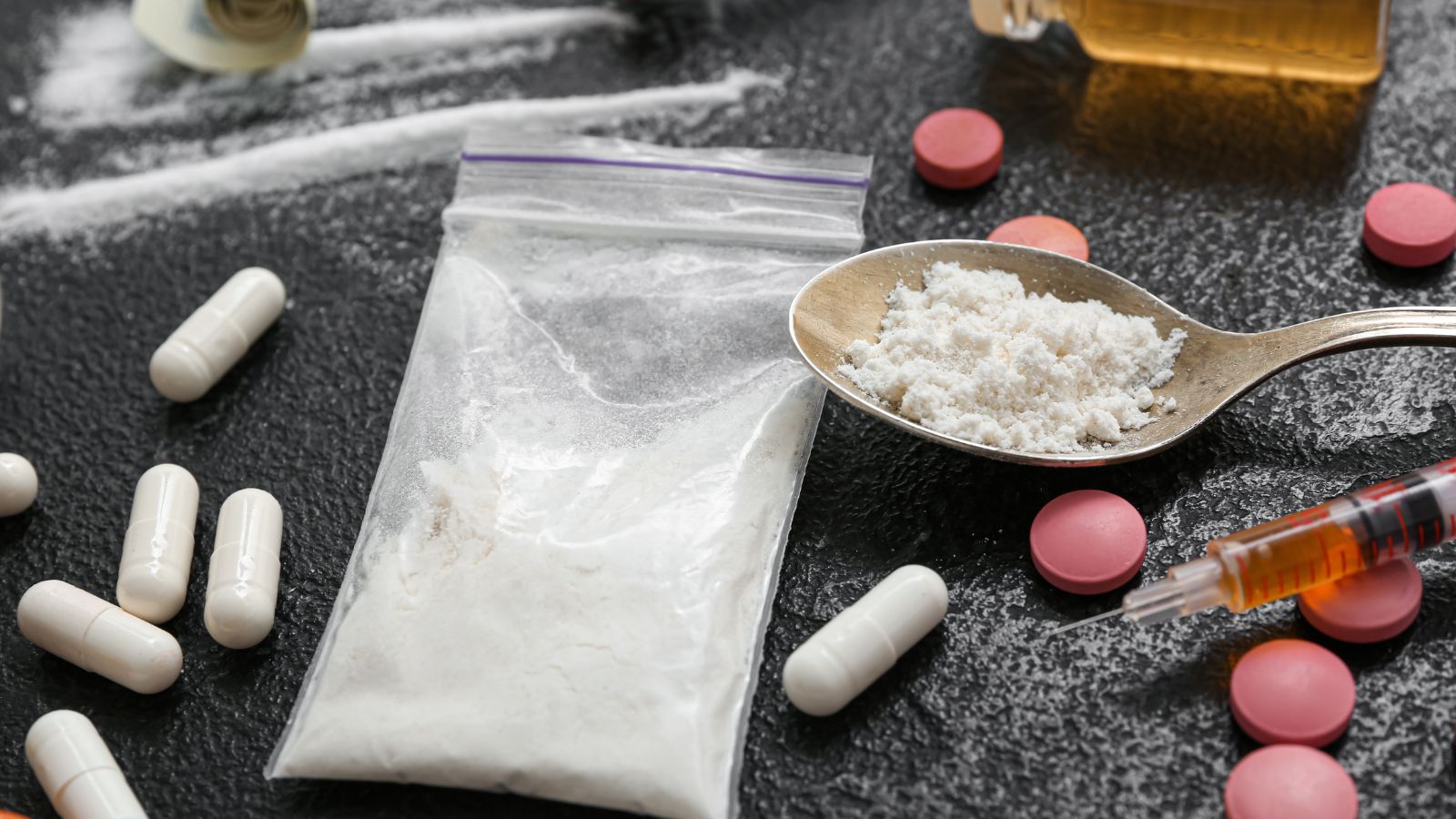
The article says many people in Punjab need help for drug addiction.
It explains that some newer drugs reach the brain very quickly and can create powerful cravings.
Over time, the brain may struggle to feel normal without the drug.
Because of this, the writer says addiction cannot be solved simply by telling people to use willpower.
The article says drugs enter Punjab through criminal supply networks, including drones.
It also says clinics need more doctors, counsellors, beds and follow-up care.
People recovering from addiction need meaningful work and support.
The writer believes recovery is possible if Punjab spends enough money and treats addiction as a medical problem as well as a criminal and governance issue.

More than 10 lakh people have registered at Punjab’s government de-addiction clinics, according to the article.
The writer argues that faster-acting drugs such as heroin and chitta create intense dependence more rapidly than traditionally used opium.
Punjab’s drug crisis is attributed to a combination of medical addiction, criminal supply networks and governance failures.
The article calls for stronger border technology, counter-drone systems, forensic investigations and prosecutions targeting networks.
It urges greater spending on psychiatrists, counsellors, hospital beds, follow-up care and employment for people recovering from addiction.
- Who
- People affected by drug addiction in Punjab, their families, government clinics and the state authorities responsible for treatment and enforcement.
- What
- The article argues for a comprehensive response to Punjab’s drug crisis centered on medical treatment, supply-chain enforcement and better governance.
- Where
- Punjab, including its government de-addiction clinics and border areas.
- When
- The article references current clinic registrations, last year’s tablet distribution and relapse risks occurring 18 months after the last dose.
- Why
- The writer attributes the crisis to potent, fast-acting drugs, criminal supply networks, limited treatment capacity, insufficient follow-up and a lack of jobs and purpose for young people.
Key facts
- Clinic registrations
- More than 10 lakh people have registered at Punjab government de-addiction clinics, according to the article.
- Treatment programme
- Punjab established an Outpatient Opioid Assisted Treatment programme.
- Drug potency
- The article says heroin or chitta reaches the brain much faster than orally consumed opium.
- Supply method
- The writer says potent drugs can cross the border in drones as small as a tiffin box.
- Treatment gap
- The state tracks tablets dispensed but, according to the writer, cannot say how many people recovered.
- Clinic diversion
- The article says a tablet costing ₹30 at a clinic can sell for ₹300 outside it.
- Recovery needs
- The writer calls for more psychiatrists, counsellors, hospital beds, follow-ups and jobs.
Sources
Related news

Punjab’s Drug Crisis Deepens Despite Crackdowns and Political Promises
Akal Takht Leader Challenges AAP Claims on Punjab Drug Crisis
Punjab Rehab Admissions Surge as Anti-Drug Campaign Intensifies
Punjab Congress Chief Questions Mann Over Drug Deaths
Punjab Drug Crisis Prompts Calls for Mann Resignation, Cheema Arrest

Mann Says Pakistan Drug Supply Falls, New Routes Targeted

Mamata Backs Congress After Trinamool Name Freeze
Modi’s 25 Years in Public Service Framed as Seva

BJP Faces Major Uttar Pradesh Setback After Lok Sabha Losses
BJP Rebuts Rahul Gandhi’s Claim Over Trinamool Party Split
