0 months ago
Article 370: Kashmir Security Battle Turns in India's Favour
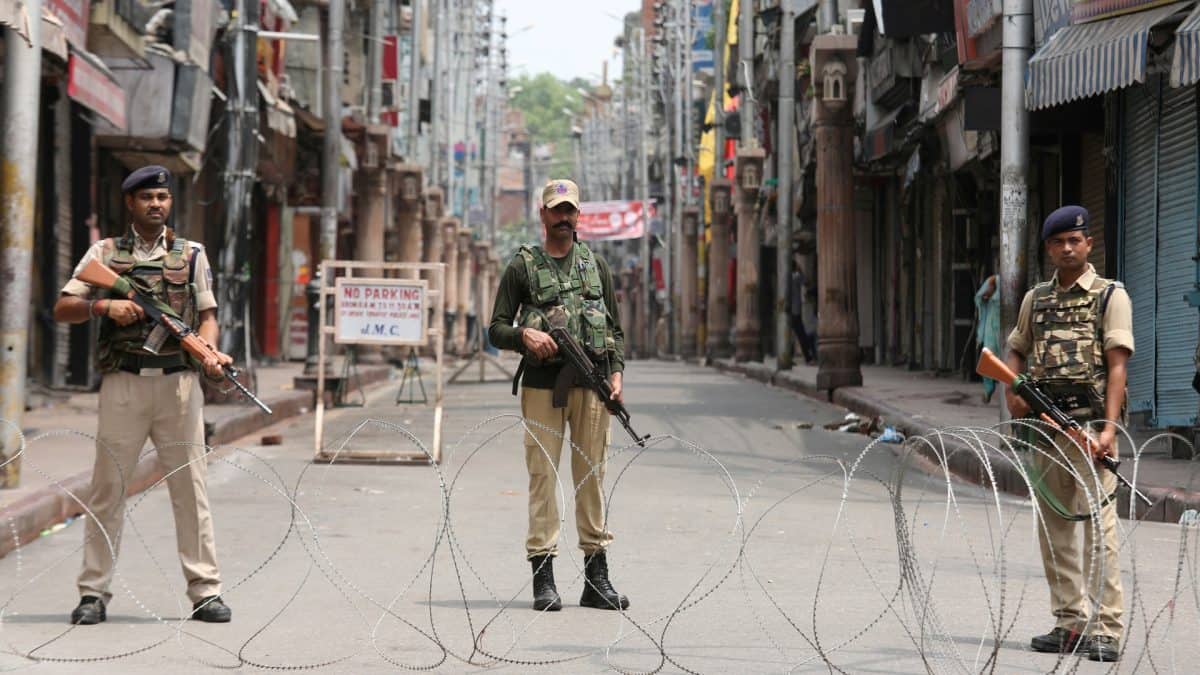
Long ago, a part of India called Jammu and Kashmir had a special rule called Article 370 that gave it its own special government powers.
In 2019, India's government removed that special rule and made the area into two smaller parts called Jammu and Kashmir and Ladakh.
India's highest court, the Supreme Court, said in 2023 that this was okay.
A retired army leader named Raj Shukla now says that the change has helped a lot.
It has made terrorism in Kashmir weaker, but it has not gone away completely.
He says the country of Pakistan still uses terrorism as a tool, and that is a problem.
He also says dangerous attacks could still happen, like ones in places called Anantnag and Kulgam.
Because of this, he thinks soldiers should stay in Kashmir for about four or five more years.
Shukla believes the security battle has turned in India's favour, but making peace last will take more time and work.

On August 5, 2019, India abrogated Article 370, ending Jammu and Kashmir's special autonomous status and dividing the region into two union territories: Jammu and Kashmir, and Ladakh.
On December 11, 2023, the Supreme Court unanimously upheld the abrogation of Article 370.
Former Army Commander Lt Gen (Retd) Raj Shukla says the political and financial nexus of terrorism in Kashmir has been weakened but not eliminated.
Shukla warns that Pakistan's reliance on proxy warfare remains unchanged, citing recent terror attacks in Anantnag and Kulgam, and calls the China-Pakistan Economic Corridor (CPEC) 'dead'.
He says troop levels must be maintained for another four to five years, that statehood for Jammu and Kashmir is a question of political timing, and that radical elements in Bangladesh pose a new risk.
- Who
- The Government of India carried out the abrogation; the Supreme Court of India upheld it; former Army Commander Lt Gen (Retd) Raj Shukla provides the security assessment; Pakistan's military establishment, including Army Chief Asim Munir, remains the main threat.
- What
- The removal of Jammu and Kashmir's special autonomous status under Article 370 and a seven-year assessment of whether the move delivered peace, stability and reduced terrorism.
- Where
- Jammu and Kashmir and Ladakh in India, with security concerns spanning Pakistan, China, Türkiye, Bangladesh, Balochistan and Pakistan-occupied Kashmir.
- When
- Article 370 was abrogated on August 5, 2019; the Supreme Court upheld the move on December 11, 2023; the assessment comes seven years later.
- Why
- To weaken the political and financial ecosystem that sustained terrorism and improve security; Shukla says firm responses such as Operation Sindoor signal that future attacks could invite even stronger action.
Key facts
- Date of abrogation
- August 5, 2019
- Supreme Court ruling
- December 11, 2023 - unanimously upheld
- Previous status
- Special autonomous status since 1950
- Result
- Two union territories: Jammu and Kashmir, and Ladakh
- Security assessment
- Terrorism nexus weakened but not eliminated
- Recent attacks cited
- Anantnag and Kulgam
- Shukla on CPEC
- Calls the China-Pakistan Economic Corridor (CPEC) 'dead'
- Outlook
- Troops for another 4-5 years; statehood a matter of political timing
Quotes
Lt Gen (Retd) Raj Shukla
Former Indian Army commander and former commander of troops along the Line of Control
“"Abrogation has done a lot of good. The financial and political nexus of terrorism has been weakened, but not eliminated."”
 firstpost.com
“"Politics is not flowing in Pakistan. There is effectively martial law through back‑seat driving."”
firstpost.com
Sources
Related news
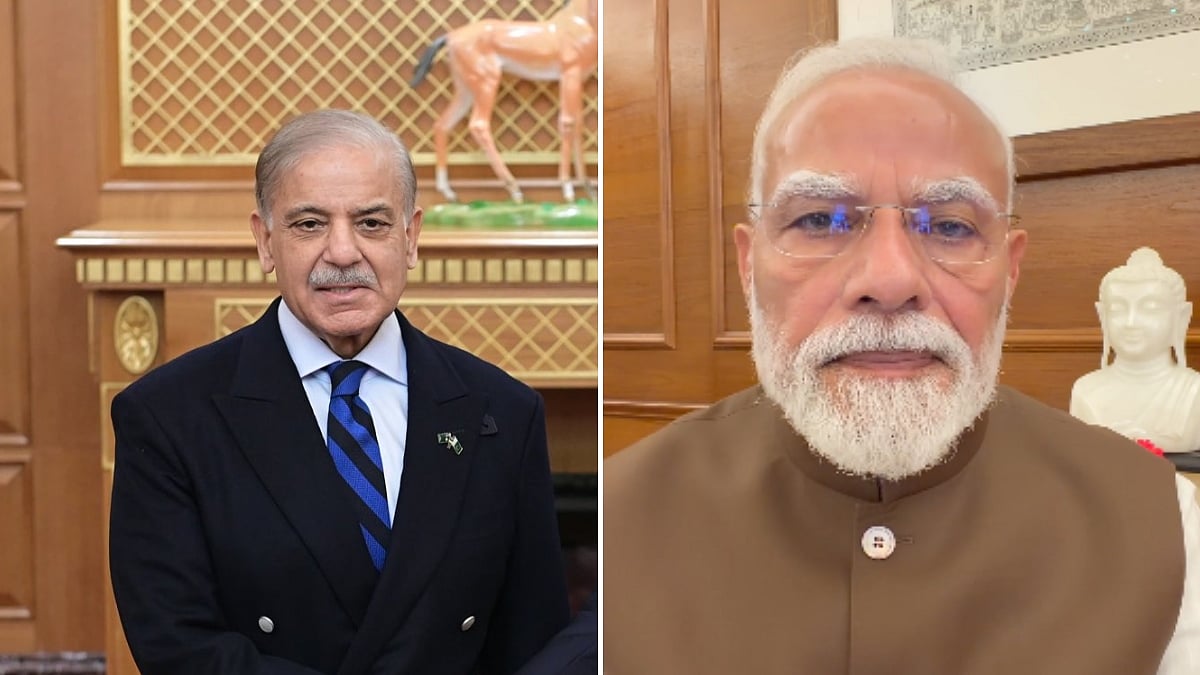
Sharif Renews Plebiscite Call as India Marks Article 370 Anniversary

Modi Marks Seven Years of Article 370 Abrogation, Hails Transformation
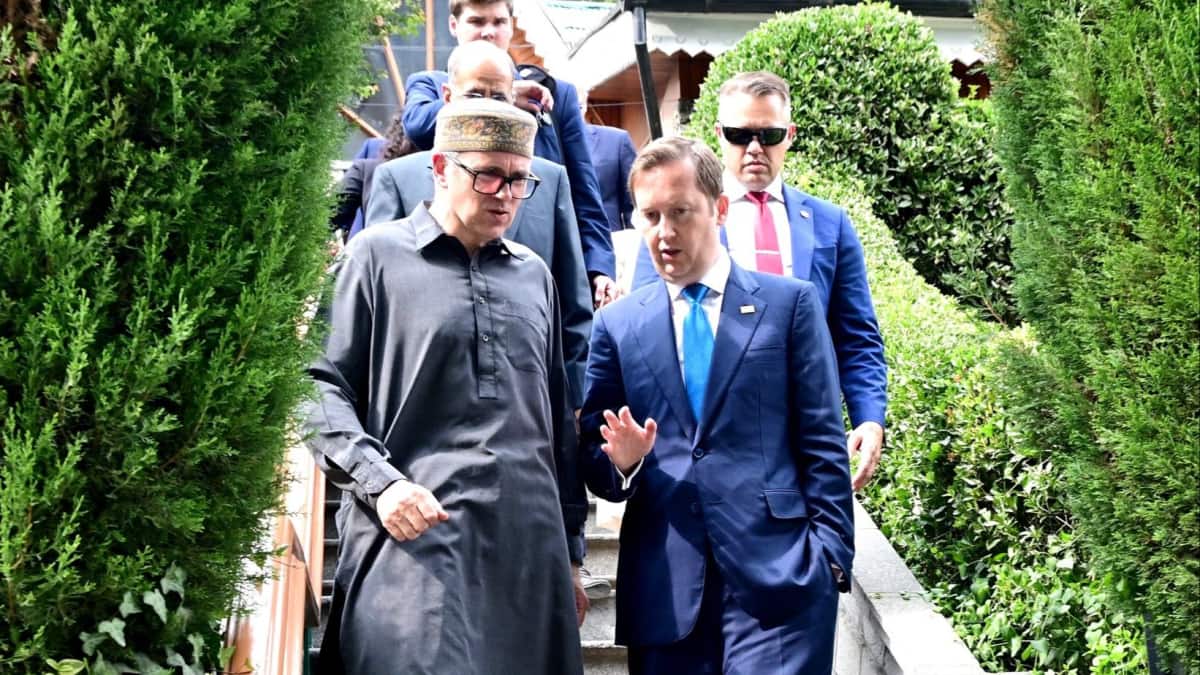
Article 370 Anniversary Highlights Kashmir’s Peace, Diplomacy and Sporting Rise

Bangladesh Recall Shanto, Mahmud for Asian Games T20 Squad

Sharma and Malik Share Halfway Lead at Golconda Masters

India Replaces Sri Lanka as 2027 Women’s Champions Trophy Host
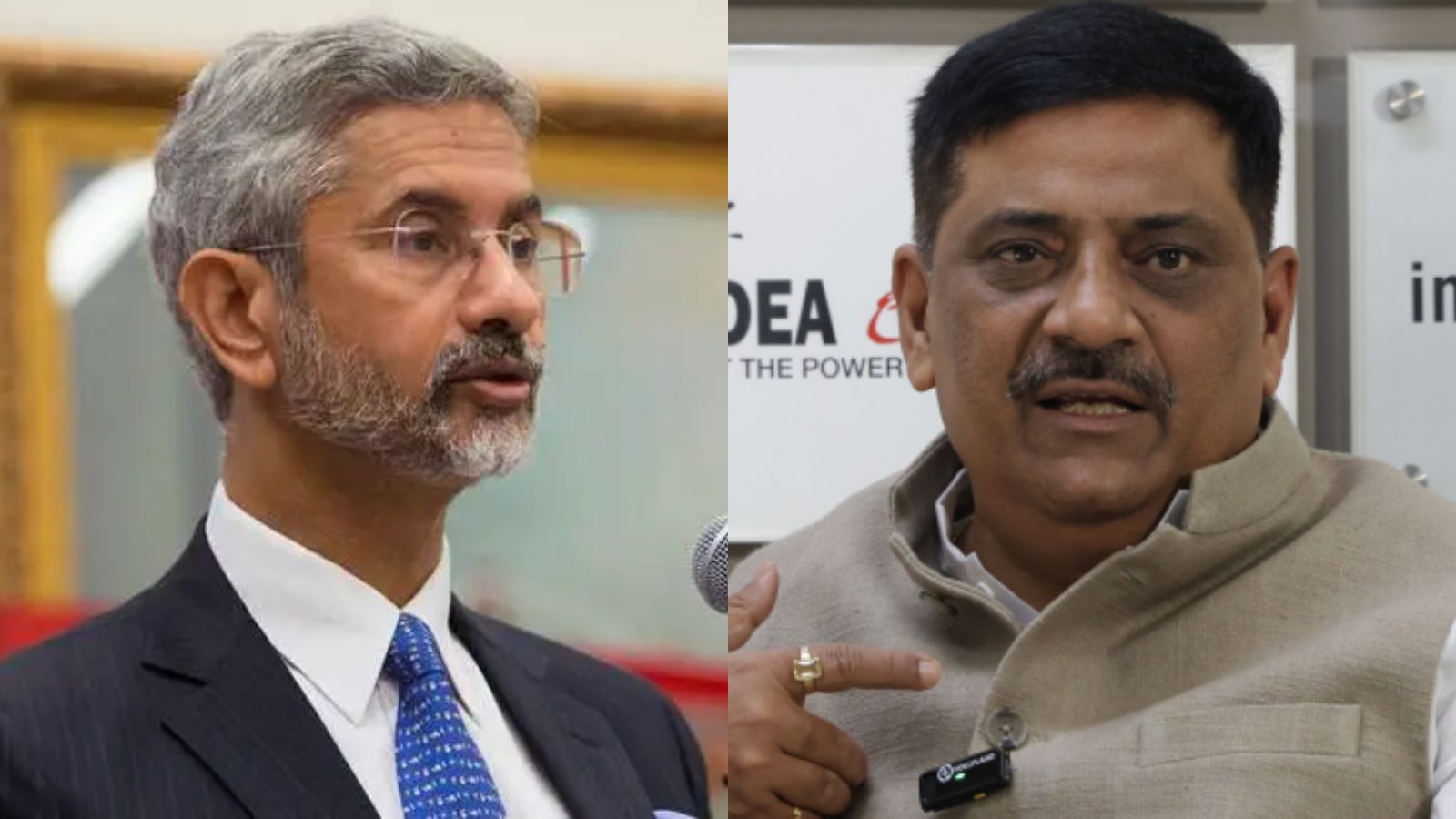
Centre Assures JDU Bihar’s Interests In Farakka Treaty Decision
India’s Record Wheat Harvest Opens $1.5 Billion Export Window