

0 months ago
Sharif Renews Plebiscite Call as India Marks Article 370 Anniversary
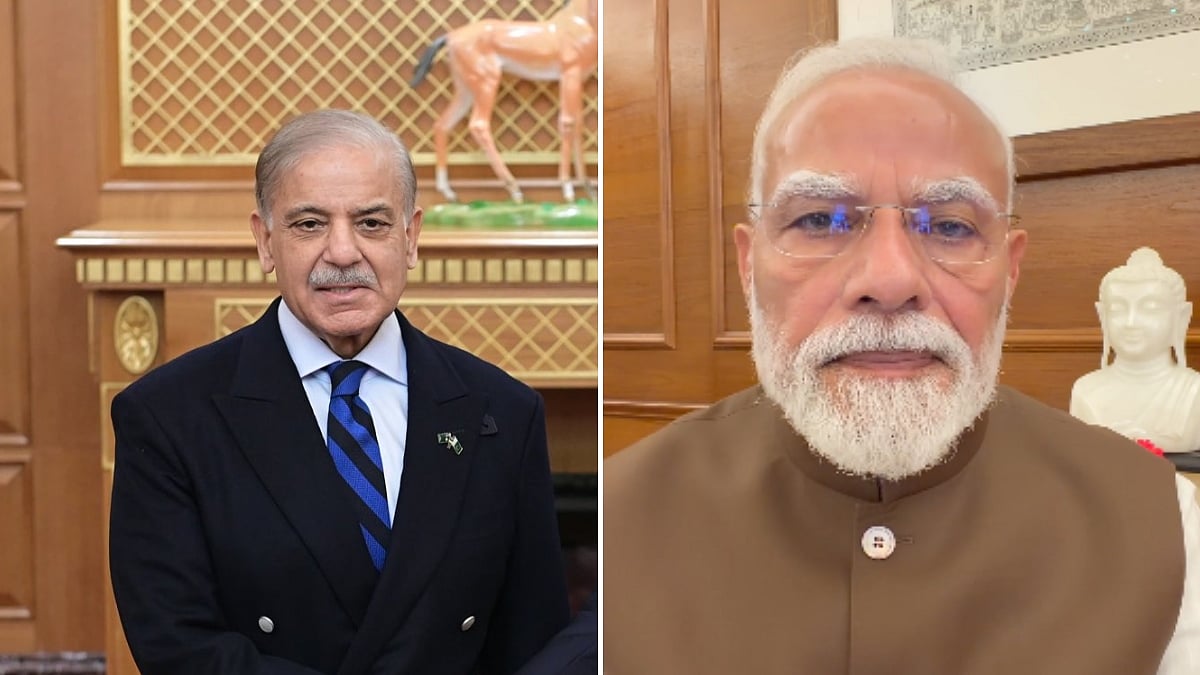
Pakistan and India are neighbours that often disagree about a region called Jammu and Kashmir.
Seven years ago, India made a big change there by removing a special rule called Article 370.
Pakistan's leader, Shehbaz Sharif, said this change was unfair and illegal.
He wants the people of Jammu and Kashmir to vote in a special poll called a plebiscite about their future.
A plebiscite is something the United Nations had suggested long ago.
India's leader, Narendra Modi, disagreed and said the change brought new schools, hospitals, roads and sports.
He also said women and other groups who were left out before now have the same rights as everyone else in India.
The two leaders see the same event very differently.
That is why Jammu and Kashmir still causes big disagreements between the two countries.

Pakistan Prime Minister Shehbaz Sharif called India's 2019 abrogation of Article 370 a "unilateral and illegal" action in a post on X.
Sharif demanded that the people of Jammu and Kashmir determine their future through a plebiscite under United Nations resolutions.
Sharif alleged India increased its military presence in the region and is attempting to alter its demographic character.
Narendra Modi said the abrogation launched a new era of development, citing improvements in infrastructure, education, healthcare, entrepreneurship and sports.
Modi linked the anniversary to the 125th birth anniversary of Syama Prasad Mookerjee, saying his vision of national integration was realised.
- Who
- Shehbaz Sharif, Prime Minister of Pakistan, and Narendra Modi, Prime Minister of India.
- What
- A renewed clash over the 2019 revocation of Article 370: Sharif called it illegal and demanded a UN-mandated plebiscite, while Modi defended the decision as a new era of development.
- Where
- Jammu and Kashmir and Ladakh; the exchange took place in statements from the two leaders.
- When
- Tuesday, as India marked seven years since the August 5, 2019 abrogation.
- Why
- Pakistan says the region's status remains disputed under international law and insists on a plebiscite, while India says the decision brought development and full constitutional rights to the region.
Pakistan's Position
India's Position
Legality of the 2019 decision
Pakistan's Position
Sharif called India's abrogation of Article 370 a "unilateral and illegal" action, saying the region's status remains disputed under international law.
India's Position
Modi described the decision as realising Syama Prasad Mookerjee's vision of national integration and bringing the full application of the Indian Constitution.
How Kashmiri people should decide their future
Pakistan's Position
The people of Jammu and Kashmir should determine their future through a plebiscite under United Nations resolutions.
India's Position
The August 2019 decision brought a new era of development and empowerment to Jammu and Kashmir and Ladakh.
Impact of the abrogation on the region
Pakistan's Position
India increased its military presence in the region and is attempting to alter its demographic character.
India's Position
The region has seen improvements in infrastructure, education, healthcare, entrepreneurship and sports, with women and marginalised communities benefiting.
Key facts
- Date of abrogation
- August 5, 2019
- Anniversary marked
- Seven years
- Sharif's characterization
- "Unilateral and illegal"
- Pakistan's demand
- Plebiscite under United Nations resolutions
- Areas affected
- Jammu and Kashmir and Ladakh
- Articles revoked
- Article 370 and Article 35A
- Modi's framing
- New era of development and empowerment
- Mookerjee anniversary
- 125th birth anniversary of Syama Prasad Mookerjee
Quotes

Shehbaz Sharif
Prime Minister of Pakistan
“The right of the people of Jammu and Kashmir to determine their future through a plebiscite under United Nations resolutions cannot be replaced by promises of development.”
 freepressjournal.in
Sources
Related news
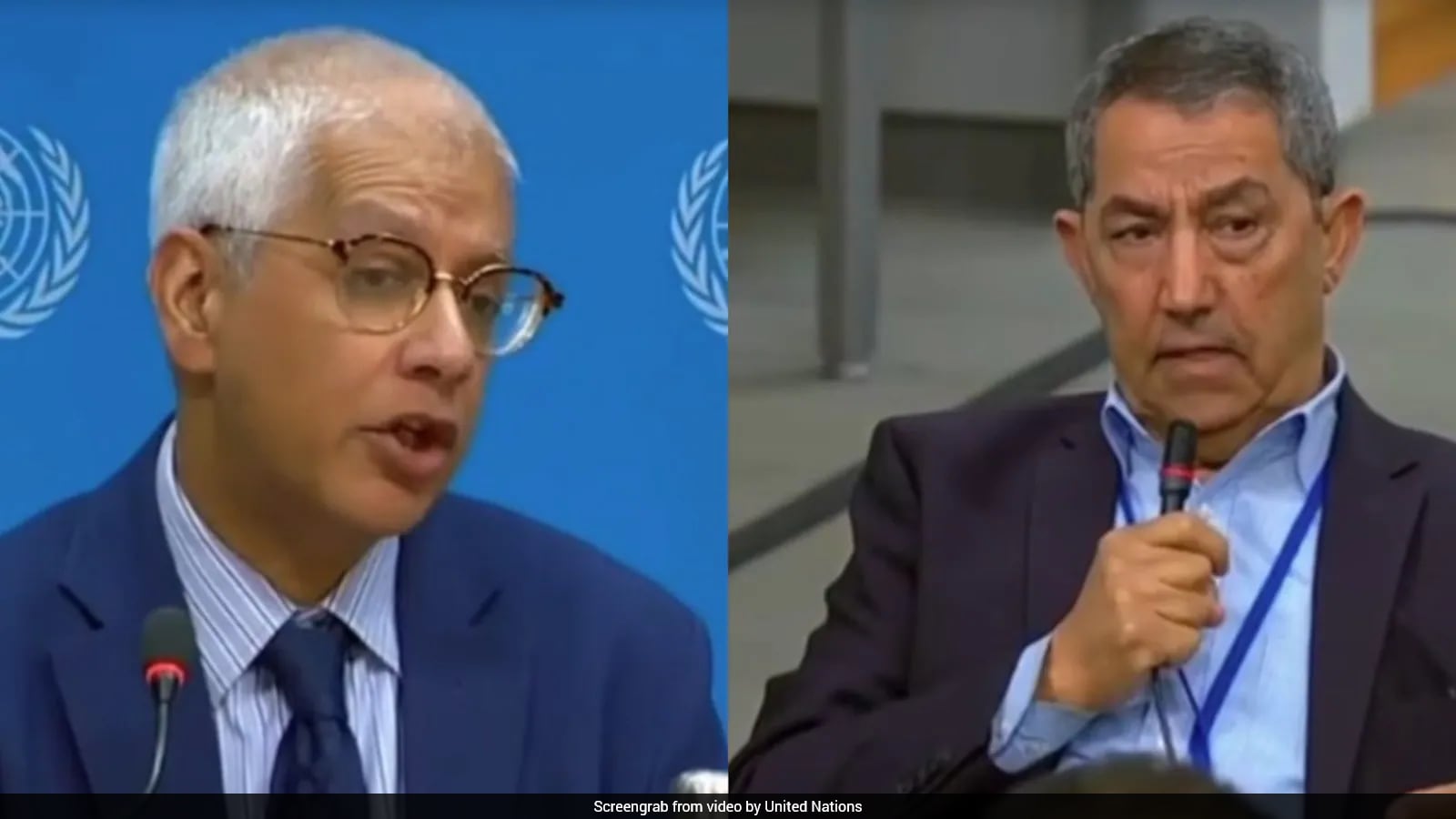
UN Reaffirms Kashmir Dispute Stance Amid PoK Protests
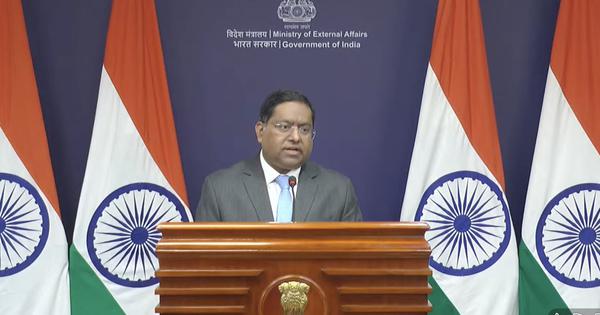
India calls Pakistan's 'Youm-e-Istehsal' observance 'political absurdity' and 'malicious propaganda'

Omar Abdullah rebuffs Pakistan's Article 370 criticism, cites PoJK violations
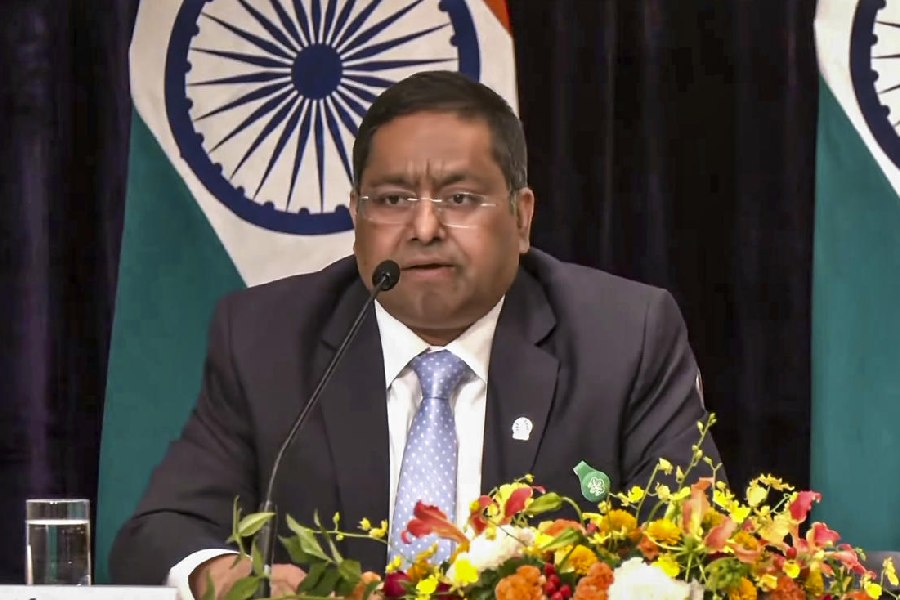
India rejects Pakistan's 'malicious propaganda' on Kashmir during Youm-i-Istehsal
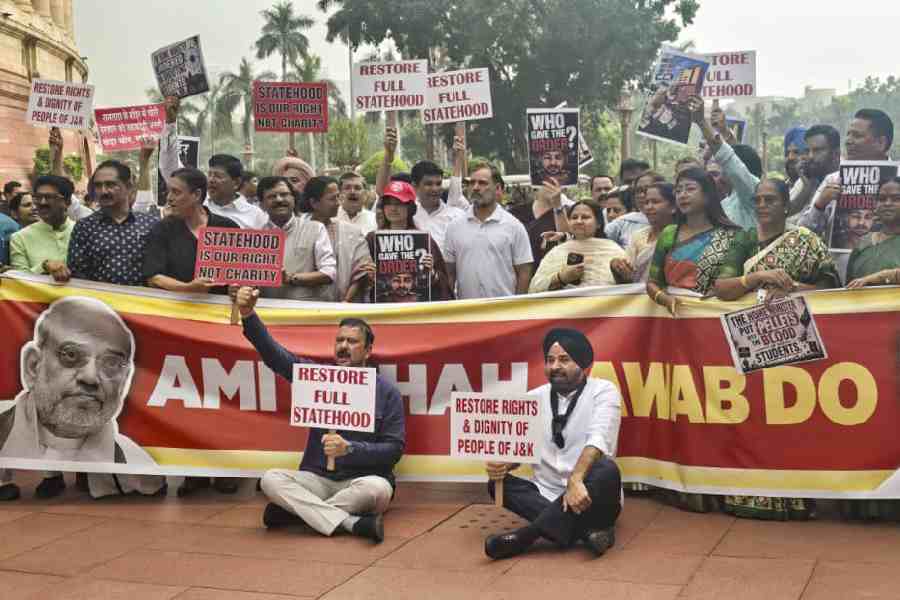
Opposition demands J&K statehood as Modi hails Article 370 anniversary

Modi Marks Seven Years of Article 370 Abrogation, Hails Transformation
India's 7.8% GDP Growth Sparks Questions Over Economic Reality
Congress Questions Haryana’s Falling Sex Ratio Despite Beti Bachao
Three Killed, Several Injured in Rewa Bus Collision

West Bengal Plans Mega Durga Puja Show at Eden Gardens
NVIDIA CEO urges Indian startups to build local AI economy
