

2 weeks ago
Hindi cinema's two very different ways of loving India
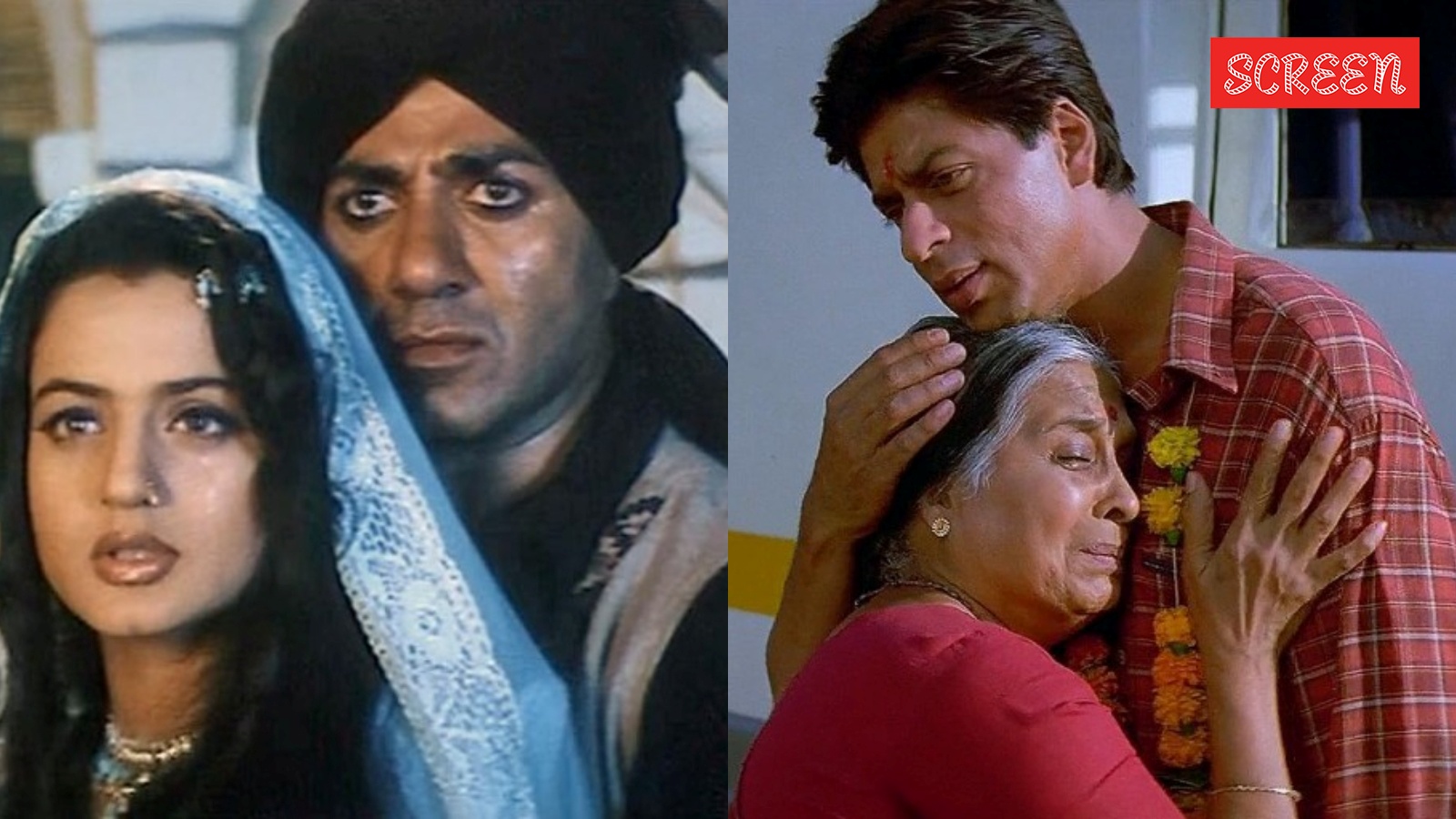
Movies can show love for your country in two very different ways.
Some movies are loud and exciting, like when a hero fights at the border and everyone in the theatre cheers.
Other movies are quiet and make you think, like a man who comes home and stays to help his village get electricity.
This article is about Hindi movies from India.
Its example of a loud movie is Gadar, and its example of a quiet movie is Swades.
The article says loud movies are not bad, because people enjoy the feeling that their country can win.
But quiet movies leave you with questions, like 'Have I done enough for my home?', that stay with you after the movie ends.
A fun movie line ends the moment you say it, but a question can stay with you for a long time.
In the end, the movie that matters most is the one you can't fully walk out of.

Hindi cinema portrays patriotism in two contrasting styles: loud war films like Gadar (2001) and Uri, and quiet films like Swades (2004) and Garm Hava (1974).
Swades asks what citizens are willing to do for their country, rather than whether they are proud of it.
Films like Rang De Basanti (2006) and A Wednesday (2008) argue that patriotism can include anger and refusal to accept a broken country.
The article defends loud films, noting Gadar released in 2001, three years after Kargil, and says there is 'nothing dishonest' about delivering cinematic catharsis.
The key difference is what films leave behind: catchphrases like 'How's the josh' end when spoken, while the questions raised by quieter films endure.
The article concludes that the most meaningful patriotic film is the one you cannot fully walk out of.
- Who
- Hindi cinema filmmakers and audiences, with films ranging from Gadar to Swades and actors such as Hrithik Roshan and Vicky Kaushal
- What
- An analysis of two contrasting ways Hindi cinema depicts patriotism: loud, rousing patriotism versus quiet, questioning patriotism
- Where
- India, in the context of Hindi (Bollywood) cinema
- When
- Film releases discussed span from 1964 to 2026, including Gadar (2001), released three years after Kargil
- Why
- To explore why different styles of cinematic patriotism leave audiences with different lasting impressions
Quiet introspective patriotism
Loud theatrical patriotism
Which style of patriotism leaves a deeper impression?
Quiet introspective patriotism
Quiet films like Swades and Garm Hava leave viewers with questions they cannot fully answer, which stay with them long after leaving the theatre.
Loud theatrical patriotism
Loud films like Gadar and Uri deliver the catharsis audiences want and remain quoted and remembered years later.
Does loud patriotism become propaganda?
Quiet introspective patriotism
Patriotism that leaves no room for doubt turns into something closer to propaganda, while patriotism admitting anger, grief and disappointment feels like a real relationship.
Loud theatrical patriotism
There is nothing dishonest about a film that gives audiences two hours of feeling that the country could hit back, cleanly, and win.
Key facts
- Loud patriotic films
- Gadar (2001), Uri, Border, Kesari
- Quiet patriotic films
- Swades (2004), Garm Hava (1974), Raazi (2018), Sardar Udham (2021)
- Films about duty and process
- Newton (2017), Lakshya (2004), Lagaan (2001)
- Films redefining who is patriotic
- Chak De! India (2007), A Wednesday (2008), Rang De Basanti (2006)
- Upcoming film
- Ikkis (2026), about Second Lieutenant Arun Khetarpal
- Famous quote
- "How's the josh"
- Historical context
- Gadar released in 2001, three years after the Kargil conflict
Sources
Related news

Bollywood Films Celebrating India Beyond Borders and Battlefields
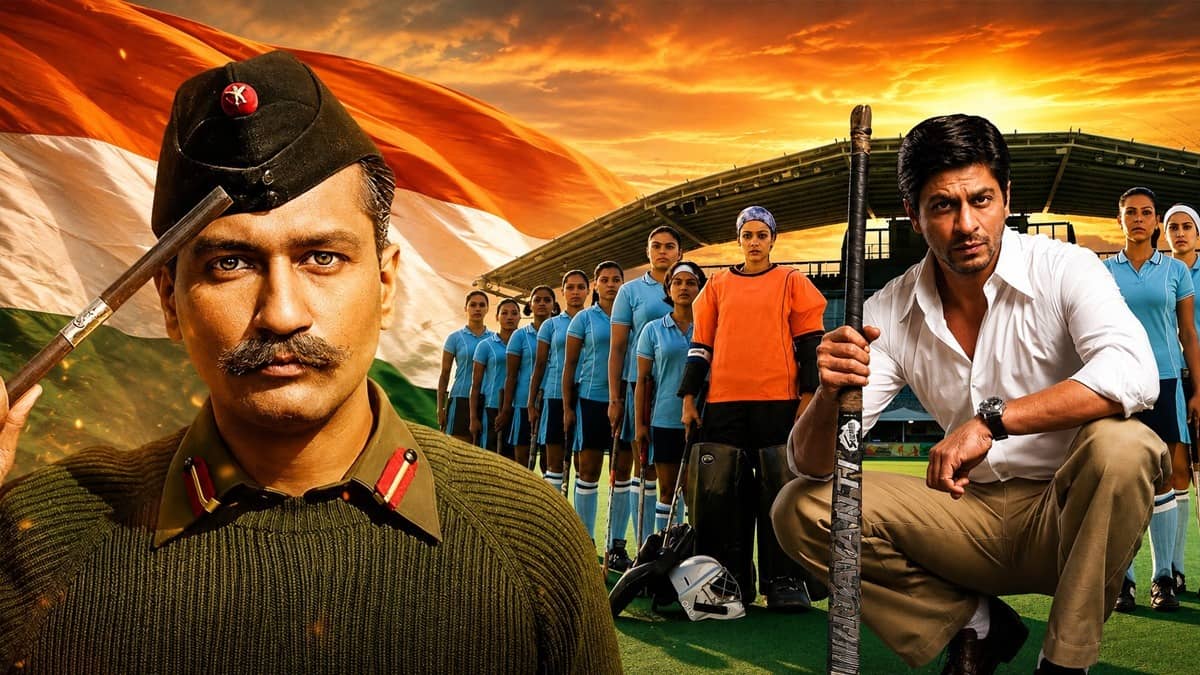
How Bollywood Patriotic Films Taught Generations of Indians Patriotism
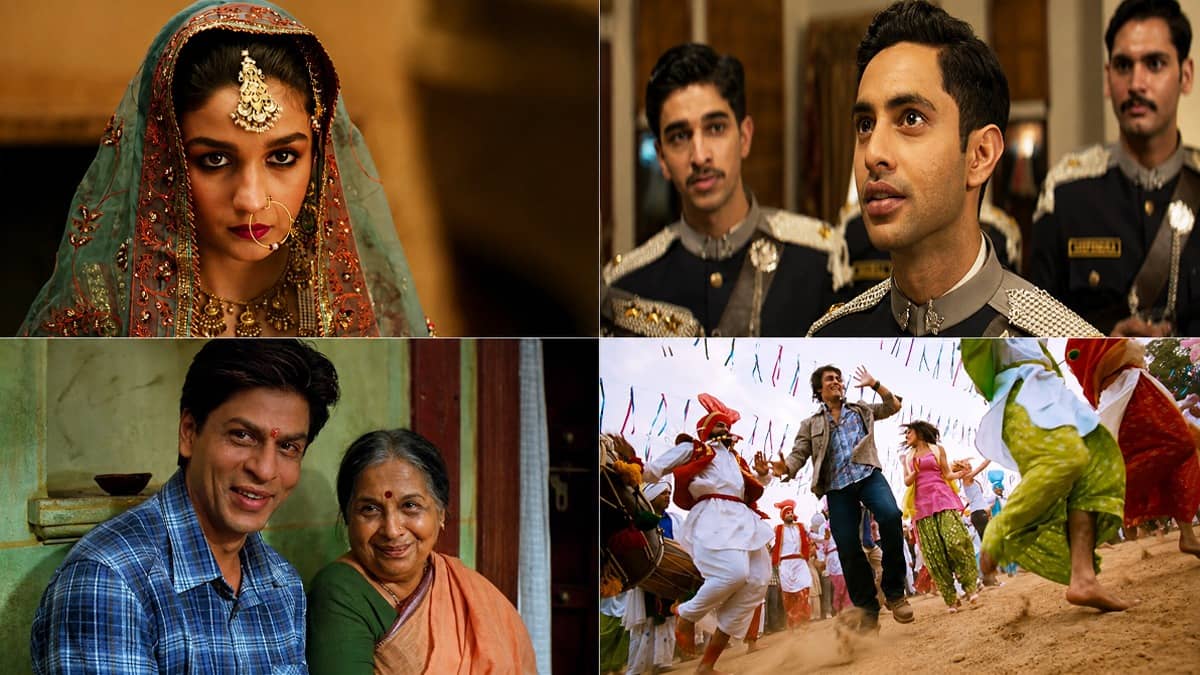
Five Patriotic Hindi Films to Watch on 80th Independence Day
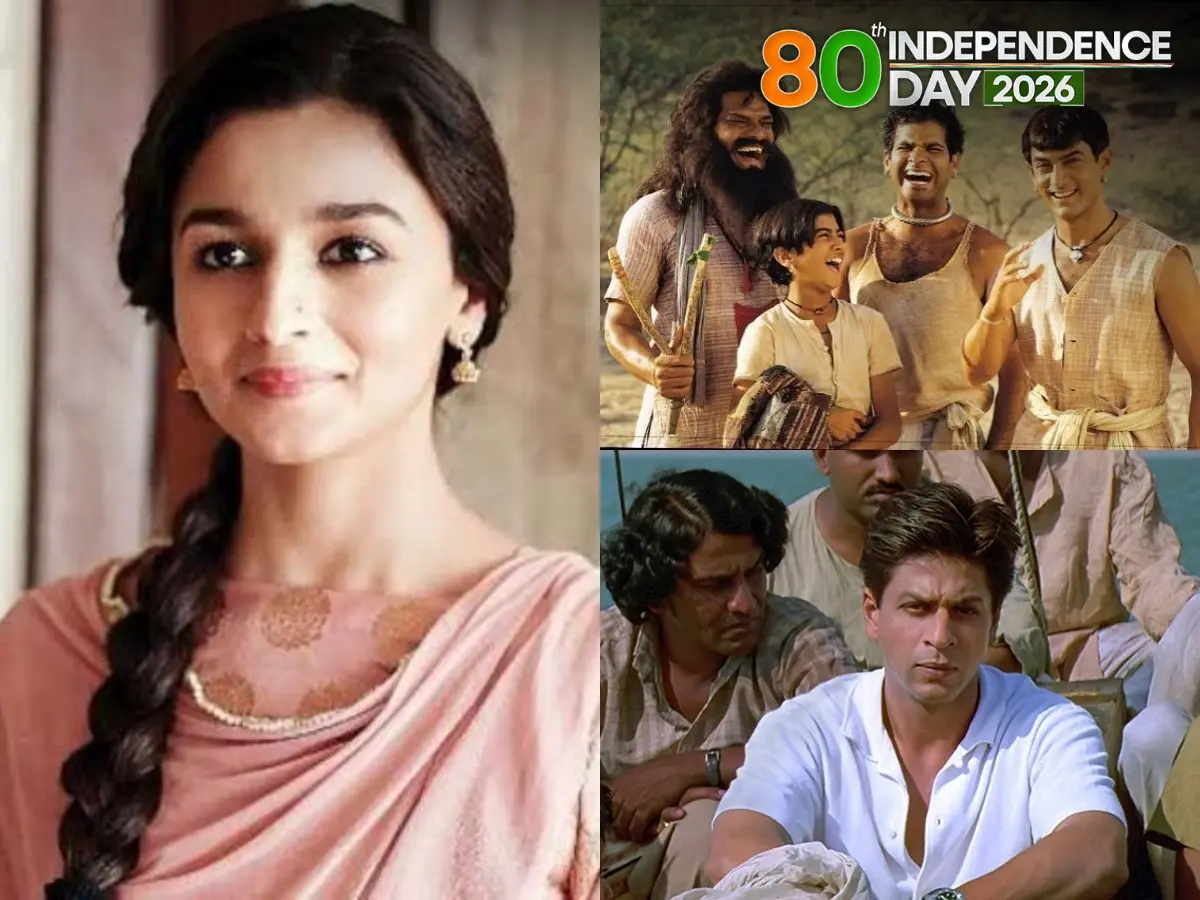
Bollywood's patriotism evolves from war films to everyday heroes
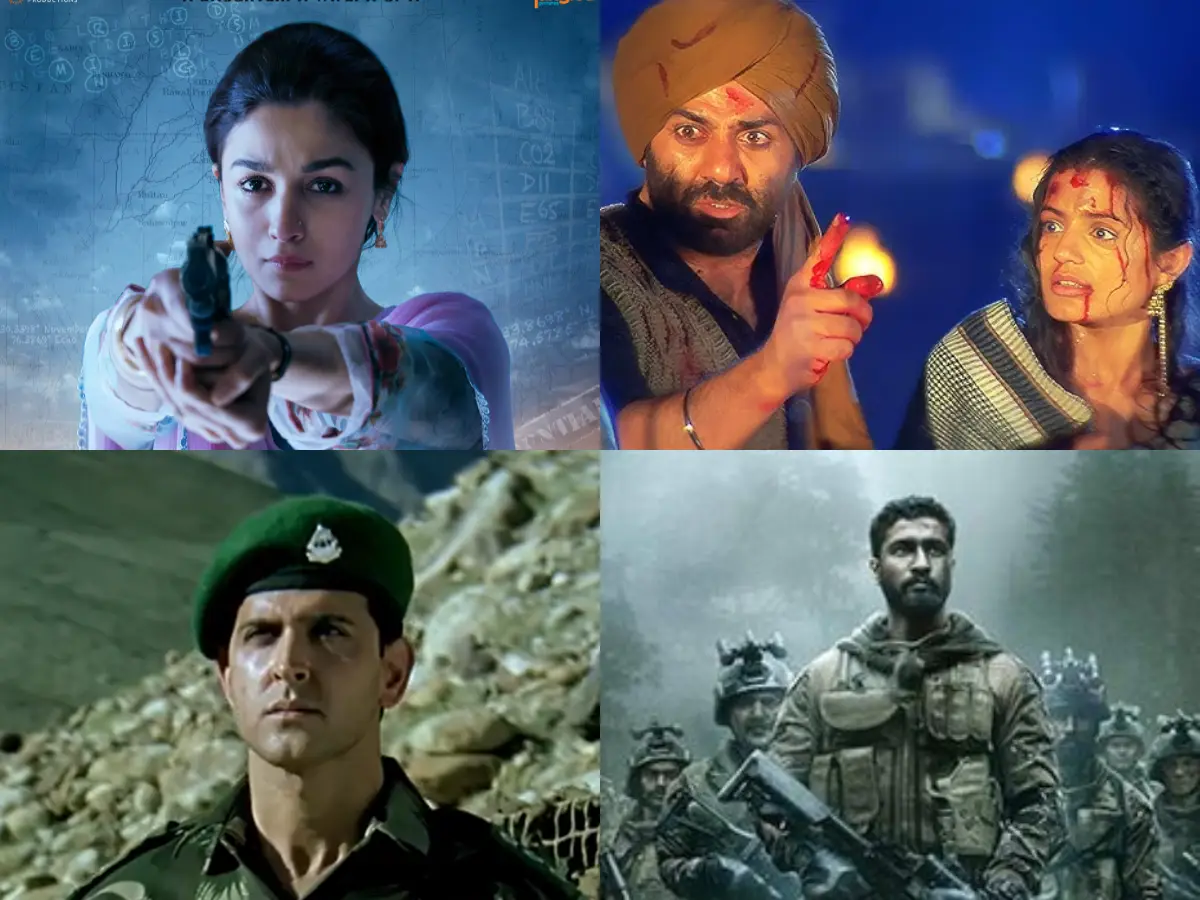
Bollywood dialogues celebrate patriotism ahead of Independence Day 2026
Independence Day 2026: 9 Patriotic Films and Shows to Watch

Vedika Pinto to Star Opposite Lakshya in Prosit Roy Thriller
Koffee With Karan Season 9 Guest List Remains Unconfirmed

Koffee With Karan 9 Rumored Guest List Sparks Buzz

Lakshya, 'Raakh' director Prosit Roy team for psychological romance
