2 weeks ago
Gen Z Redefines Freedom: Choice, Safety, Peace Over History

Some young people in a city called Indore were asked what the word 'freedom' means to them.
It turns out it can mean many different things.
One teenager said freedom means being able to be yourself without other people judging you.
Another young person said it means not being stuck in a boring job from nine to five.
A woman said freedom means being able to go outside whenever you want without being scared.
Someone else said freedom starts with having peace, justice, safety and basic needs.
A radio host said it means making your own choices without having to fight for basic rights.
Together, they feel freedom is not just something from a history book.
It is something you should feel every day in your life.
They hope everyone can live freely, safely and happily.

Gen Z in Indore sees freedom as choice, safety and peace rather than only historical independence from 1947.
Kashish, 18, says freedom means living life on her own terms without being judged.
UPSC aspirant Dheeraj, 23, links freedom to escaping the typical 9-to-5 grind and helping build a fairer system.
RJ Shraddha, 23, says freedom is the right to make your own decisions without constantly fighting for basic rights.
The Udte Kabootar collective says freedom means independent thinking, cultural belonging and protecting inherited values.
- Who
- Young people (Gen Z) in Indore, including Kashish, 18, Dheeraj, 23, RJ Shraddha, 23, Aditya, 25, Anand, 23, Tanishka, 22, and the Udte Kabootar collective.
- What
- A series of personal reflections on what freedom means to Gen Z, ranging from personal choice and safety to independence from the 9-to-5 grind.
- Where
- Indore, Madhya Pradesh, India.
- When
- In 2026.
- Why
- To show that Gen Z views freedom as something lived personally - choice, safety and peace of mind - rather than only a historical event.
Key facts
- Location
- Indore, Madhya Pradesh
- Age range of voices
- 18 to 25 years old
- Voices featured
- Kashish, Dheeraj, Shraddha, Aditya, Anand, Tanishka, Shashank and Ritik
- Key themes
- Personal choice, safety, peace of mind, independent thinking, belonging
- Context
- 2026, contrasting modern freedom with the historical reference to 1947
- Group contribution
- Shashank and Ritik of Udte Kabootar
Sources
Related news

For Gen Z, Independence Day Freedom Means Living Without Fear
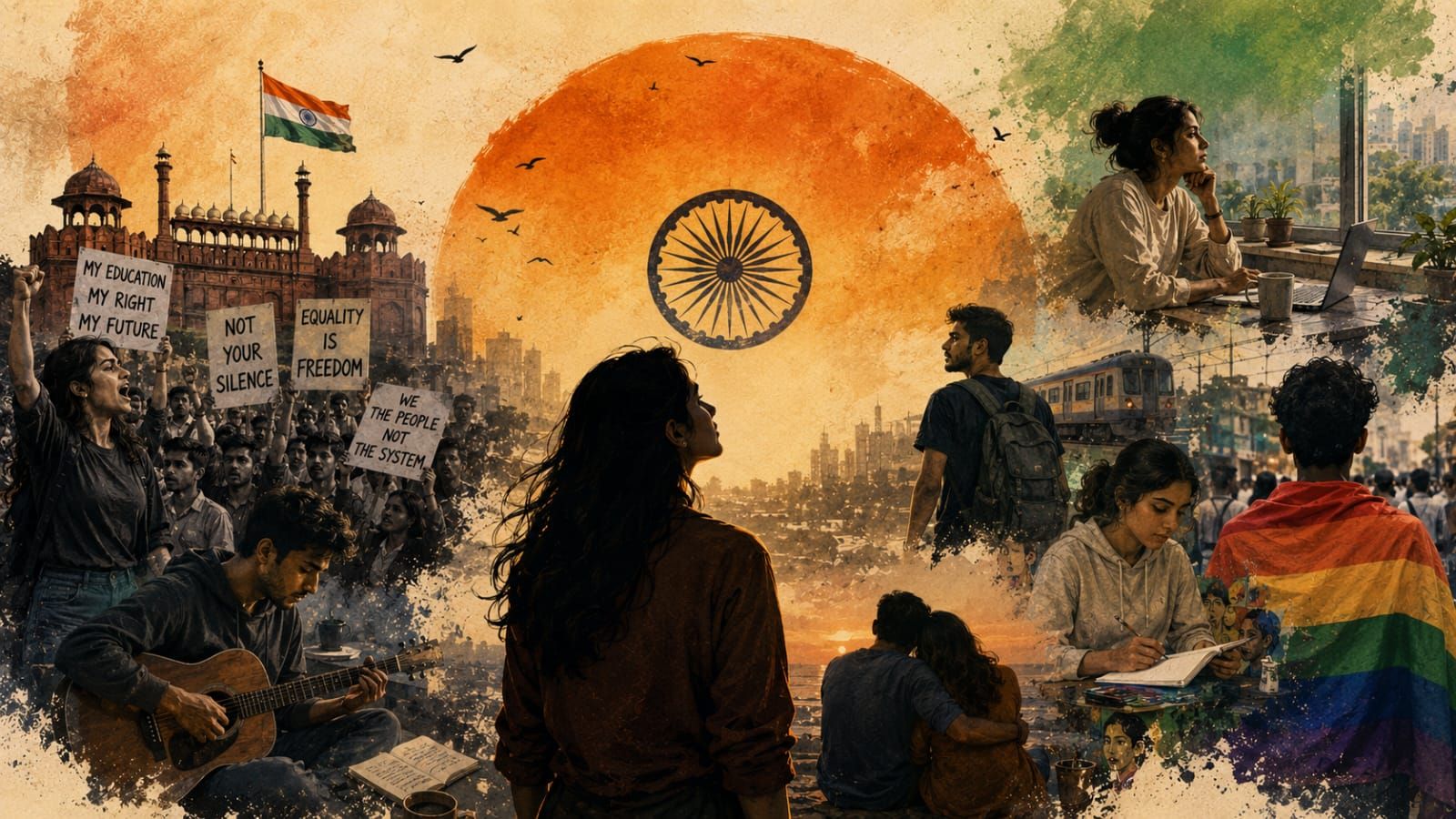
Many Lives of Azadi: What Freedom Means to Gen Z

What Freedom Really Means to Gen Z

Indian Gen Z Sees Little Meaning in Independence Day Freedom

Independence Day 2026: Sadia Khateeb on the Meaning of Freedom
Parents Oppose Dhar School Merger, Nearly 500 Girls Face Withdrawal
WII Begins Three-Year Study as MP Elephant Population Nears 100
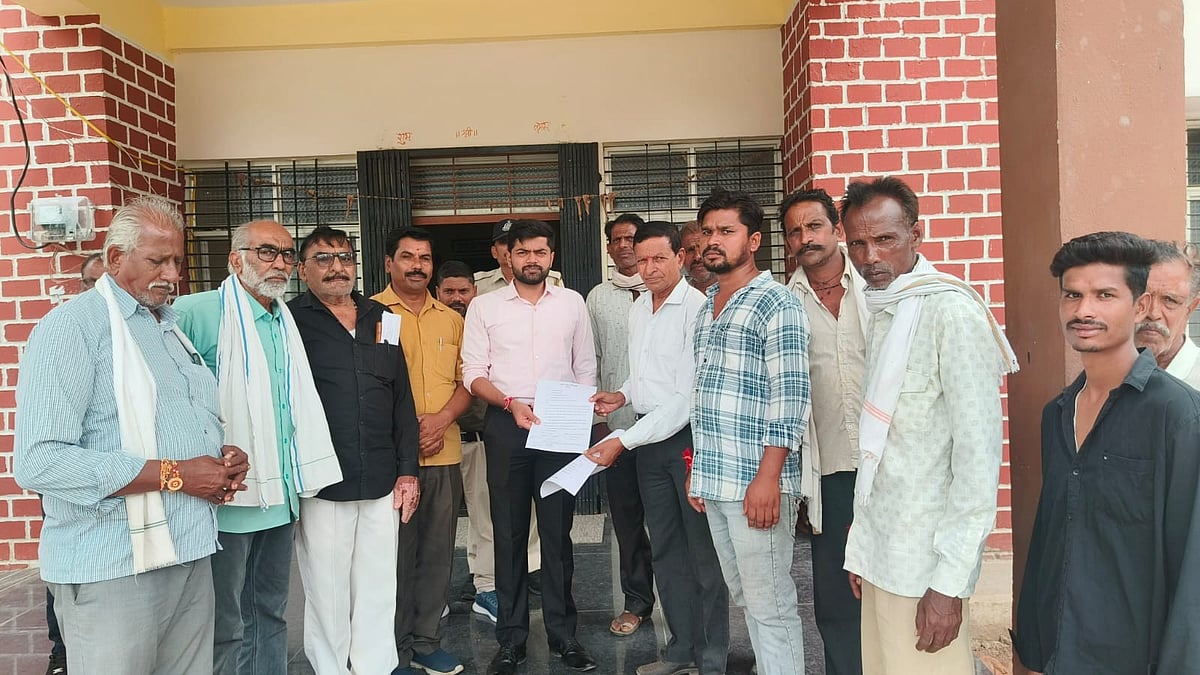
Kukshi Seeks Drought Status After 205 Mm Rainfall Deficit

Five Dead, 30 Injured in Madhya Pradesh Bus-Truck Collision
Three Killed, Several Injured in Rewa Bus Collision