2 hrs ago
Safari Industries Bets on India’s Travel Boom Despite Margin Pressures

Safari Industries makes suitcases, backpacks and other travel products.
The company believes people are starting to choose luggage for its style and brand, not just because they need a bag.
It sells several brands for different types of customers, including premium shoppers, younger buyers, women and children.
Safari is also adding machines and automation to make more luggage in its own factories.
In the first quarter of FY27, sales increased, but profits fell because materials became more expensive and demand was uneven.
Competition from established companies and newer brands such as Mokobara could make it harder to raise prices.
The company has relatively little debt, giving it room to invest.
Investors are watching whether premium products and better manufacturing can make profits grow faster.
Ashish Kacholia continued to hold 9 lakh Safari shares as of June 2026, but his ownership is not a guarantee of future performance.

Safari Industries is repositioning luggage from a utility product toward a lifestyle and fashion category.
The company operates multiple brands, including Safari, Safari Select, Urban Jungle, Genie, Genius and Carlton.
Q1 FY27 revenue rose 11.6% to Rs 589 crore, but operating profit and net profit declined.
Safari has more than 8,500 customer touchpoints and is expanding automated manufacturing capacity in Jaipur and Halol.
The stock trades around Rs 1,507, roughly 40% below its 52-week high, while valuation and margin risks remain.
- Who
- Safari Industries, with Ashish Kacholia holding a 1.84% stake as of June 2026.
- What
- Safari is expanding its luggage brands, manufacturing capacity and distribution while pursuing premiumization.
- Where
- Safari sells across India through more than 8,500 touchpoints and manufactures hard luggage at plants in Jaipur and Halol.
- When
- The latest operating figures cover Q1 FY27; the cited shareholding data is as of June 2026.
- Why
- The company aims to benefit from India’s growing travel demand and consumers’ increasing interest in branded, design-led luggage.
Growth Case
Risk Case
Premiumization
Growth Case
Design-led products and brands such as Urban Jungle, Safari Select and Carlton could persuade customers to buy higher-priced luggage and improve profitability.
Risk Case
Newer design-focused brands such as Mokobara and aggressive competition could force discounting, limiting the benefits of premium products.
Manufacturing expansion
Growth Case
Automation and additional capacity in Jaipur and Halol could support higher volumes, better productivity and improved operating leverage.
Risk Case
Capacity will create value only if Safari can use it efficiently; raw-material costs and weak demand could absorb the gains.
Investment valuation
Growth Case
The stock’s decline to around Rs 1,507, roughly 40% below its 52-week high, may create interest if earnings improve.
Risk Case
At about 44.7 times earnings, the valuation still leaves limited room for prolonged weak earnings growth, despite the share-price decline.
Key facts
- Q1 FY27 revenue
- Rs 589 crore, up 11.6% year-on-year from Rs 528 crore.
- Q1 FY27 operating profit
- Rs 75 crore, down from Rs 79 crore; operating margin declined to 12.7% from 15%.
- Q1 FY27 net profit
- Rs 48 crore, down from Rs 50 crore.
- Distribution
- More than 8,500 customer touchpoints across retail, digital, institutional and export channels.
- Financial position
- FY26 debt-to-equity was 0.11x, with Rs 173 crore in operating cash flow and Rs 105 crore in free cash flow.
- Working capital
- Inventory stood at 116 days and the cash conversion cycle was 103 days at the end of FY26.
- Share price and valuation
- The stock was around Rs 1,507, or about 40% below its Rs 2,507 52-week high, and traded at approximately 44.7 times earnings.
- Ashish Kacholia holding
- He held 9 lakh shares, representing a 1.84% stake, as of June 2026.
Sources
Related news
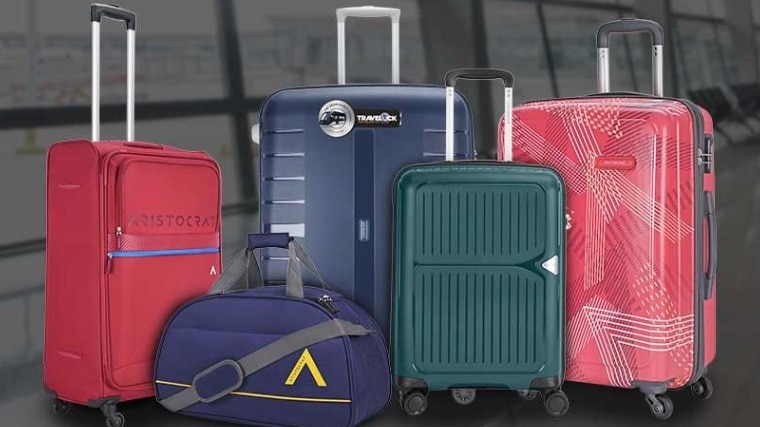
VIP Industries Faces Two More Loss-Making Years Despite Revenue Recovery

Beyond Cars and Jewellery: India's Overlooked Tile Premiumisation Story
Vijay Kedia sticks with Repro India, Mahindra Holidays after steep drops
How Indian Paan Shop Bags Became Unexpected Global Fashion Icons

Nemish Shah’s Five-Stock Portfolio Tests Long-Term Conviction

Rain Erodes Railway Tracks as DVC Water Raises Flood Fears

Five Cheapest Electric Cars Offered Under BaaS In India
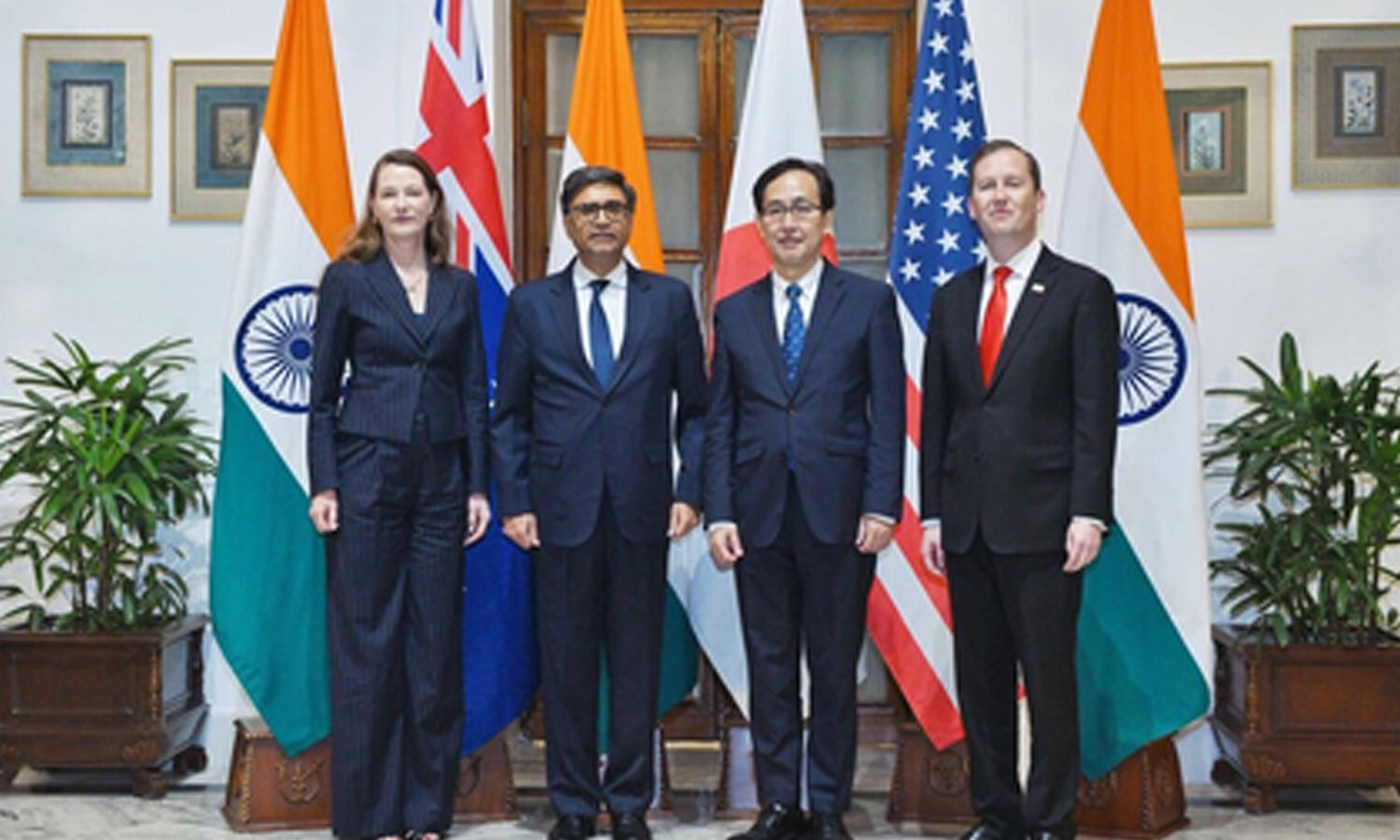
Quad Sherpas Review Maritime Security, Technology and Disaster Relief Progress

India, Vietnam Deepen Defence Cooperation for Regional Peace

MP Calls for Grassroots Awareness and Youth Civic Participation