1 week ago
India’s Microdrama Boom Faces a Crucial Unit Economics Test

Microdramas are very short television-like stories made to watch on a phone.
They usually show a new episode quickly and end with a cliffhanger.
The idea began in China and is now becoming popular in India.
Many viewers live in smaller cities and prefer stories in their own languages.
Making a series can be much cheaper than making a traditional streaming show.
However, companies can spend a lot of money trying to attract viewers.
Many people like watching for free, so getting them to pay is difficult.
Bigger platforms can help introduce more people to microdramas, but they also make competition tougher.
The companies that succeed may be the ones that combine strong stories, large audiences and smart technology.

India’s microdrama market is projected at ₹650 crore and expected to grow more than 50% annually through 2028.
Microdramas are short, vertically filmed scripted episodes built around rapid storytelling and cliffhangers.
An estimated 60-75% of users come from tier II and tier III cities, with strong demand for regional-language content.
Production can cost about ₹10-15 lakh per series, but rising customer acquisition costs are putting pressure on startups.
Platforms are increasingly exploring advertising, subscriptions, freemium models, localised content, franchises and AI-assisted production.
- Who
- Indian microdrama startups, major entertainment platforms, advertisers and viewers.
- What
- The microdrama sector is expanding rapidly but is still trying to turn high viewing time into sustainable revenue.
- Where
- India, particularly tier II and tier III cities and regional-language markets.
- When
- The industry is described as being about one year into its boom, with the next two to three years expected to be important.
- Why
- Short, mobile-first entertainment is gaining attention, but high customer acquisition costs and weak willingness to pay are challenging the business model.
Growth and Platform Optimists
Economics Skeptics
Market potential
Growth and Platform Optimists
Industry participants argue that large audiences, strong watch times and demand from smaller cities can make microdramas an established part of India’s digital entertainment ecosystem.
Economics Skeptics
Critics of the current model point out that downloads, completion rates and viewing time do not necessarily produce enough revenue to cover acquisition spending.
Distribution advantage
Growth and Platform Optimists
ShareChat and Moj can use existing feeds, recommendation systems and user bases to reduce acquisition costs and promote the format.
Economics Skeptics
Specialist apps must build their own distribution and may struggle as larger entertainment platforms enter the market and intensify competition.
Monetisation
Growth and Platform Optimists
Advertising, recommendation-led discovery, subscriptions and targeted regional content could provide several revenue streams.
Economics Skeptics
India’s difficult subscription market means many viewers prefer free streaming, while advertisers are still treating microdramas mainly as an experimental channel.
Key facts
- Market projection
- The market is projected at ₹650 crore and expected to grow by more than 50% annually through 2028.
- Audience locations
- FICCI-EY data cited in the article indicates that 60-75% of users are from tier II and tier III cities.
- Viewer income
- Industry experts estimate that 68% of viewers belong to households earning more than ₹10 lakh annually.
- Daily consumption
- ShareChat, Moj and QuickTV together reportedly deliver about 900 million daily episode plays, equal to more than 720 million minutes watched daily.
- Production cost
- One industry founder estimated that a microdrama series can cost about ₹10-15 lakh to produce.
- Regional demand
- More than 40% of episodic consumption in the ShareChat ecosystem reportedly occurs in regional languages.
- Major entrants
- JioHotstar, Zee Entertainment, Tata Play and Amazon MX Player have launched microdrama offerings.
Quotes
Anshuman Mishra
Co‑founder of microdrama streaming app Reelies
“Currently, the challenge for the Indian microdrama market is CAC. Most of these models run on subscriptions, and what we’ve seen in India is that subscription models do not work as well. People want to stream for free, but the minute you ask them to pay, that is where the challenge comes in.”
 inc42.com
“Over time, distribution alone will not be enough. The winners will be the companies that consistently create memorable IPs, build franchises audiences come back to, and combine creative excellence with technology to scale efficiently.”
inc42.com
Sources
Related news

Microdrama Emerges as Mainstream Entertainment Format in India: Report

Flipkart Enters India’s Micro-Drama Market Through Content Partnerships

Hollywood Bets on Vertical Microdramas as Entertainment Growth Slows

ReelShort, Vidio Partner on Indonesian Microdramas and Co-Productions

Netflix Co-CEO Sarandos: India under-screened; streaming and theatres coexist
India’s 7.8% Growth Broad-Based, but Jobs Remain Challenge
India Pursues Global Mineral Pacts to Secure Supply Chains

Nepal Plans New Landslide Warning System Along China Border
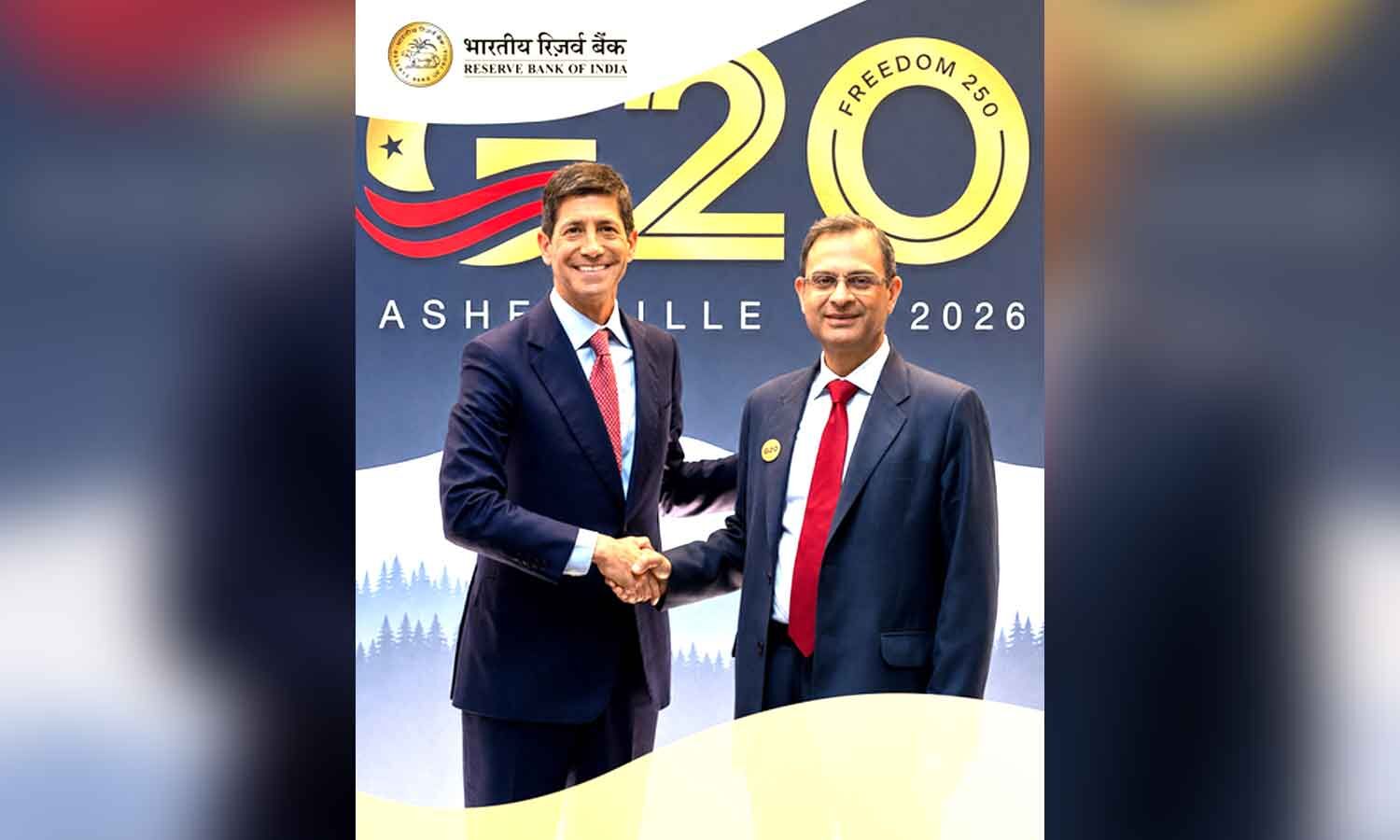
RBI Governor Meets US Fed Chief Kevin Warsh at G20

Tencent-Backed Enflame IPO Draws Massive Investor Demand