

7 hrs ago
Why Indian Youth Cannot Be Reduced to Gen Z
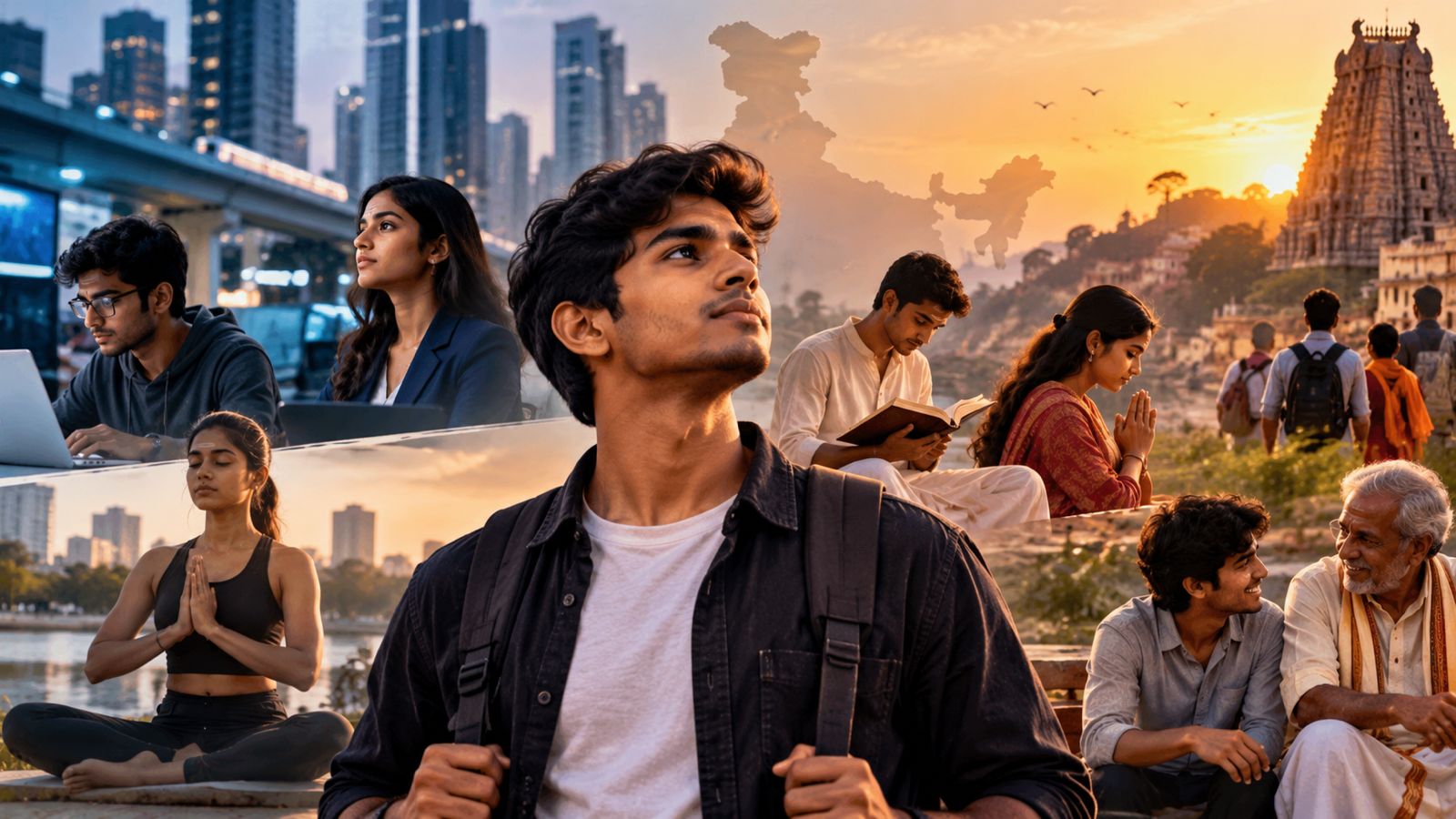
The essay says that calling all young Indians “Gen Z” does not tell us everything about them.
Young people are shaped by their families, culture and experiences, not just their birth years.
The author says many young Indians use modern technology while also valuing traditions.
The essay supports young people asking questions and speaking up when something is wrong.
It also says people should think carefully and act responsibly.
Social media can make one group’s views seem much bigger than they are.
The author believes young people need purpose and good judgment, not just more information.
The essay suggests Indian youth can be modern while staying connected to their roots.

The essay argues that “Gen Z” is useful as demographic shorthand but cannot fully describe India’s young people or civilisation.
It says Indian youth are shaped by family, culture, memory and responsibility, as well as by age and technology.
The author points to young people combining modern careers with practices such as yoga, pilgrimage, meditation and traditional arts.
The essay argues that awareness of rights should be accompanied by duties, discernment and responsibility.
It warns that social media can amplify particular grievances and emotions, making them appear to represent an entire generation.
- Who
- The essay discusses Indian youth and how they are described in public debate.
- What
- It argues that the label “Gen Z” cannot fully capture the identities, values and responsibilities of India’s young people.
- Where
- India.
- When
- The essay refers to contemporary public debate and digital life; no specific date is given.
- Why
- The author argues that a demographic label overlooks cultural continuity, duties, spiritual traditions and the diversity of young people’s experiences.
Key facts
- Subject
- How Indian youth are understood and described
- Central claim
- “Gen Z” may be demographic shorthand but is not a complete description of Indian youth
- Generational context
- The essay discusses Generation X, Millennials, Generation Z and Generation Alpha as broad demographic categories
- Key concept
- Kartavya, or duty, is presented alongside rights
- Traditions discussed
- Yoga, meditation, pilgrimage, Sanskrit, classical music and traditional art
- Digital concern
- The author says social media can magnify particular emotions or grievances
- Proposed direction
- Combine technological ability with cultural confidence, discernment and responsibility
Sources
Related news
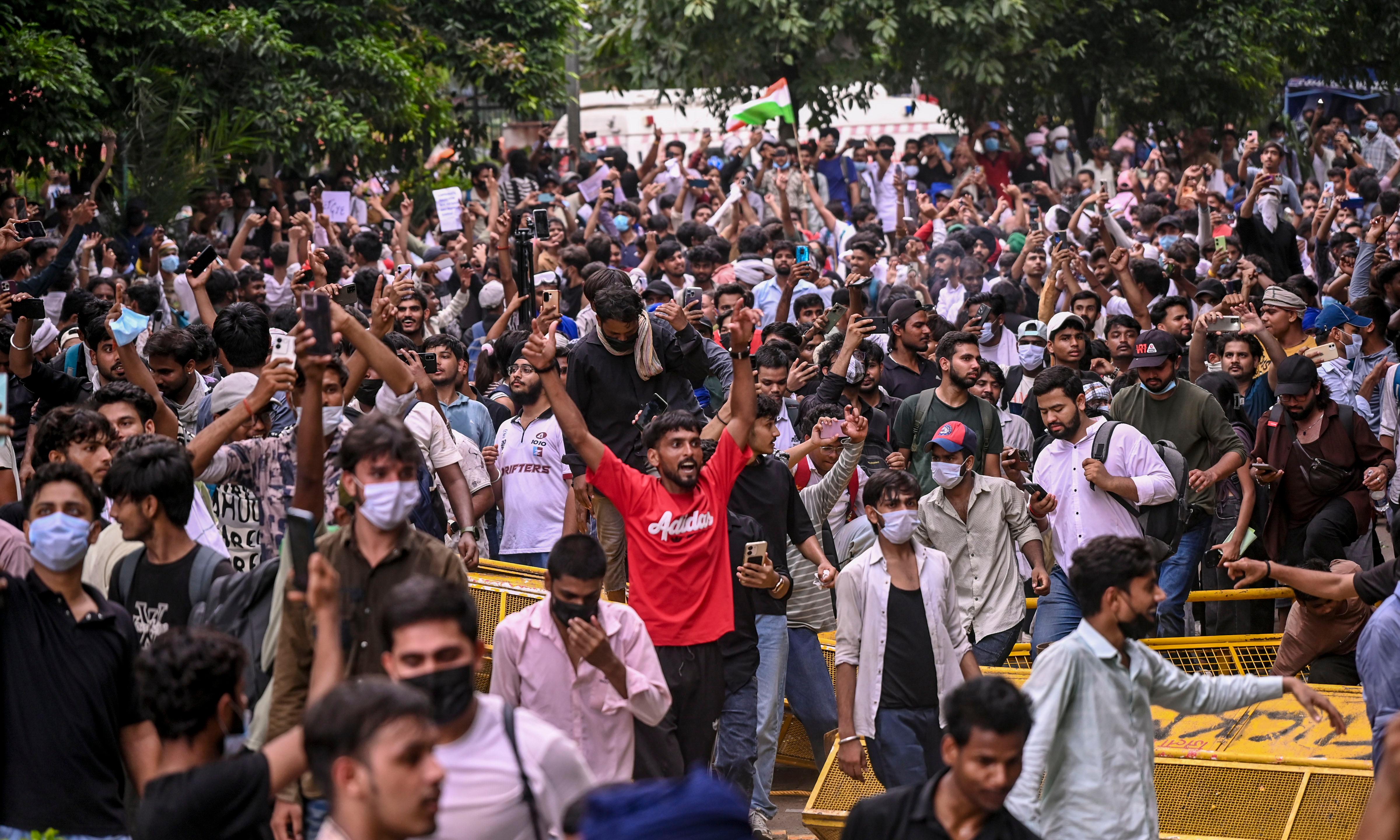
India’s Gen Z Challenges Tradition, Authority and Social Norms
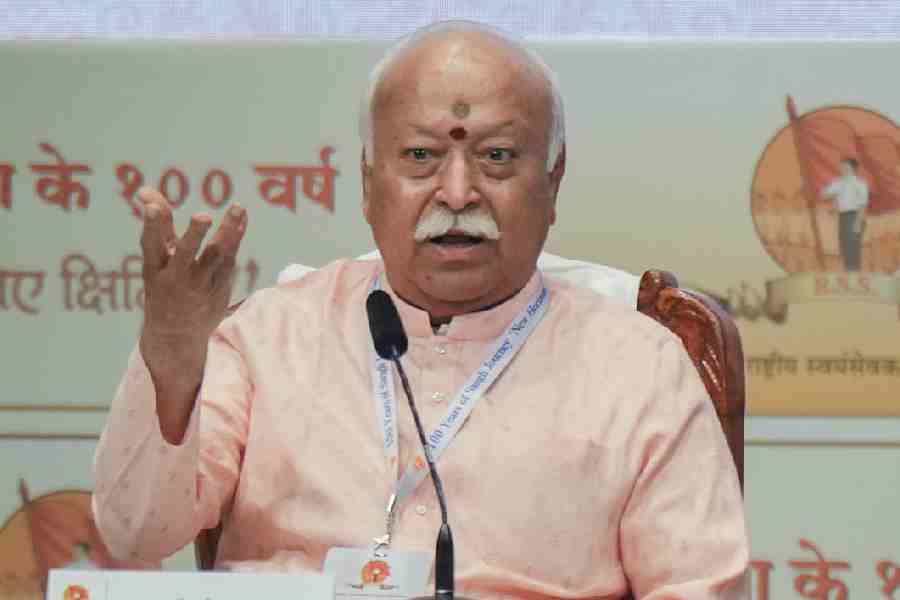
Mohan Bhagwat Hails Gen Z Discussion of Dharm Beyond Religion
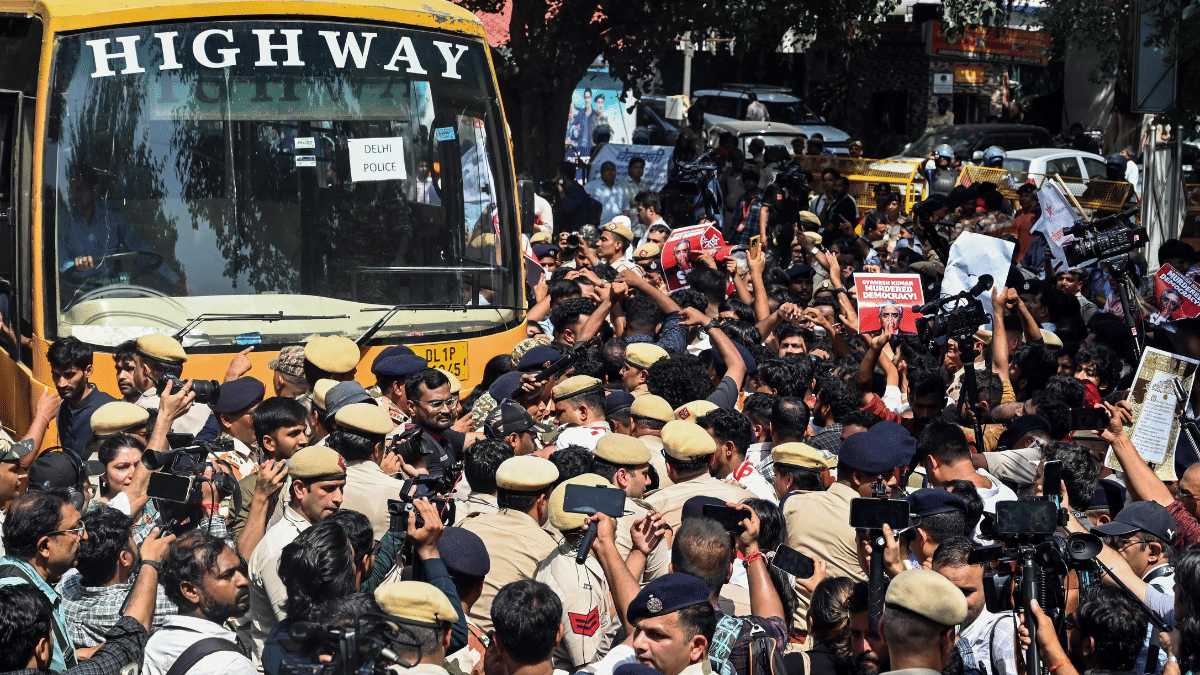
India’s Gen Z Protests Challenge Democratic Erosion Beyond Politics
Madhya Pradesh Speaker Urges Calling Gen Z ‘Tarun Bharat’
Young leaders debate Gen-Z politics and India’s changing global image

Gen Z Protests Knock on India’s Democratic Door

Government Explains Bitchat's Removal From Indian App Stores

Shai Hope Continues Hot Form With Quick Half-Century Against India

Mandhana Poised to Lead India After Harmanpreet Steps Down

India Tablet Shipments Fall as Memory Prices Rise

BJP Accuses Congress of Amplifying Fabricated AI Police Video
