1 hr ago
India’s Gen Z Protests Challenge Democratic Erosion Beyond Politics
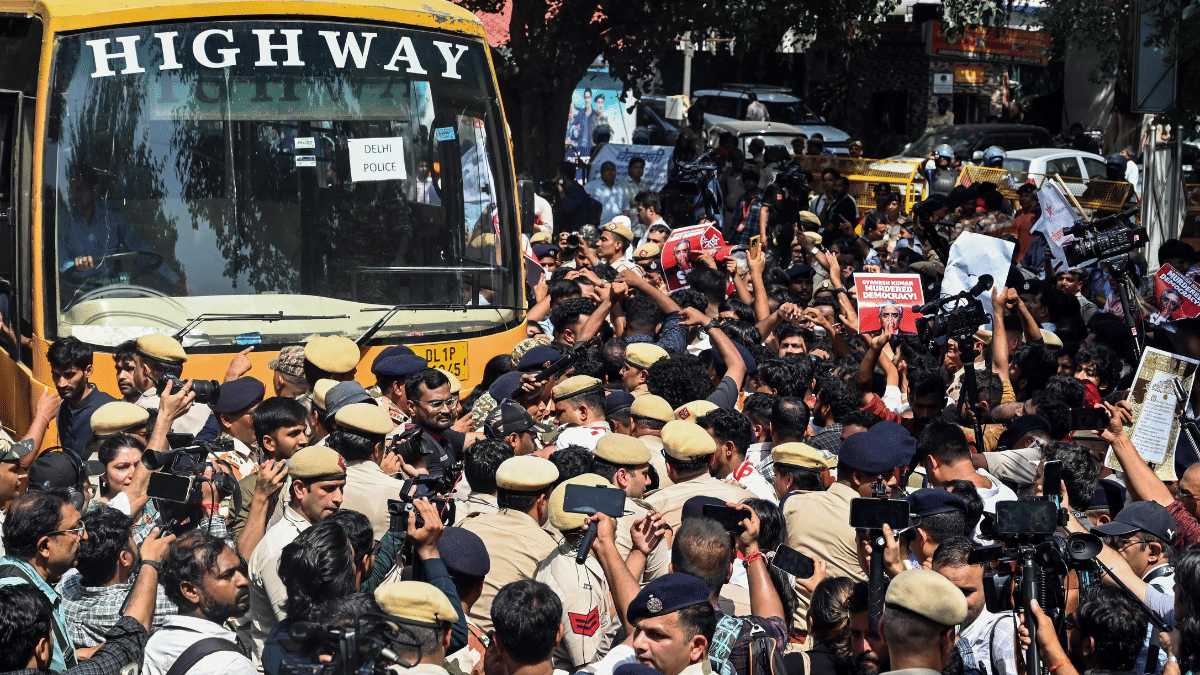
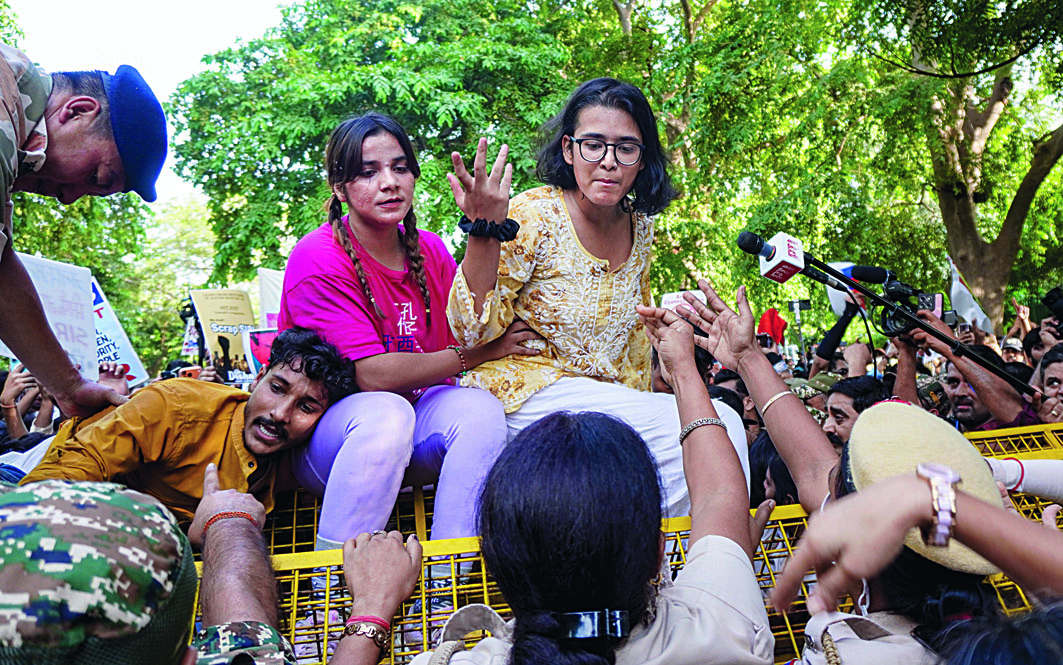
Young people in India are protesting over what they see as threats to democracy.
The article says democracy means more than holding elections: people also need freedoms and protection for minorities.
It argues that some of those protections have weakened in recent years.
It also criticizes a voter-list review that asks citizens to provide documents to prove they can vote.
Poor people may find it harder to get or correct those documents.
The author says the protests are about citizens’ right to vote, not just about helping a political party.
No one can know for sure what will happen next.

The article argues that student protests should be understood as a defence of democracy, not merely as a boost for opposition politicians.
It distinguishes electoral democracy, based on elections, from liberal democracy, which also protects civil liberties, minority rights and civic association.
The author says liberal freedoms in India declined after 2014, while electoral erosion began after the 2024 elections.
The article criticizes the Election Commission’s Special Intensive Revision for requiring documents and shifting voter registration responsibilities onto citizens.
The author says these requirements could make voting harder for millions, especially poor citizens, while the protests’ political outcome remains uncertain.
- Who
- Gen-Z students and protesters, and the Election Commission of India.
- What
- Student protests opposing what the author describes as democratic erosion, including concerns about the Special Intensive Revision of voter rolls.
- Where
- India.
- When
- The article discusses developments after 2014 and after the 2024 elections; it does not give a date for the protests.
- Why
- The author says protesters are seeking to defend democratic rights, including citizens’ ability to vote.
Author’s concerns
Uncertain or official rationale
Special Intensive Revision
Author’s concerns
The author argues that documentation requirements and making citizens responsible for registration could exclude eligible voters, particularly poor people.
Uncertain or official rationale
The article presents documentary adequacy and citizen-led registration as concepts underlying the revision, but does not provide the Election Commission’s response or detailed justification.
Protests’ political significance
Author’s concerns
The author says the protests are fundamentally about democratic principles and citizens’ voting rights, not simply political gains for opposition figures or parties.
Uncertain or official rationale
The article notes that Rahul Gandhi is benefiting politically from the moment, while cautioning that the protests’ eventual effects cannot be predicted.
What comes next
Author’s concerns
The author sees the protests as an effort to reverse democratic decline.
Uncertain or official rationale
Whether the moment leads to major change or greater repression remains uncertain; the article does not claim either outcome is inevitable.
Key facts
- Key issue
- The article frames Gen-Z protests as a defence of democracy beyond party politics.
- Electoral democracy
- The article describes it as democracy based on freely contested elections and universal franchise.
- Liberal democracy
- The article says it also includes civil liberties, freedom of association and minority rights.
- Timeline described
- The author says liberal erosion followed 2014, and electoral erosion began after the 2024 elections.
- Voter-roll measure
- The Special Intensive Revision (SIR) is described as requiring documentation and placing registration responsibility on citizens.
- Potential impact
- The author argues that people without the required documents, especially the poor, may have difficulty securing voter eligibility.
- Uncertain outcome
- The author says it is not possible to make definitive predictions about whether the political moment will bring lasting change or greater repression.
Quotes
Barrington Moore Jr
Political sociologist and author of Social Origins of Dictatorship and Democracy.
“At the time of Nehru’s death in 1964, political democracy had existed for seventeen years. If imperfect, the democracy was no mere sham.”
 theprint.in
“The odds against democracy in India were extremely high.”
theprint.in
Sources
Related news

Gen Z Protests Knock on India’s Democratic Door
Why Indian Youth Cannot Be Reduced to Gen Z
Guruswamy Warns Parliamentary Silence Endangers India’s Democracy and Constitution
Protests Escalate as Demonstrators Demand Election Chief’s Resignation
Congress Accuses Modi of Threatening Gen Z Voting Rights
Global Media Tracks Protests Over India’s Election Commission
Modi’s 25-Year Public Journey Showcases Five Global-Scale Initiatives
Modi Presents Gujarat Water-Governance Model as Global South Lesson

Manipur Chief Minister Says Amit Shah May Visit in October
Seva Sankalp Yatra to End With Events in Vadnagar, Varanasi