

1 week ago
Letters Debate Forest-Fire Prevention, Hotel Safety and Loneliness
The letters discuss three different problems in India.
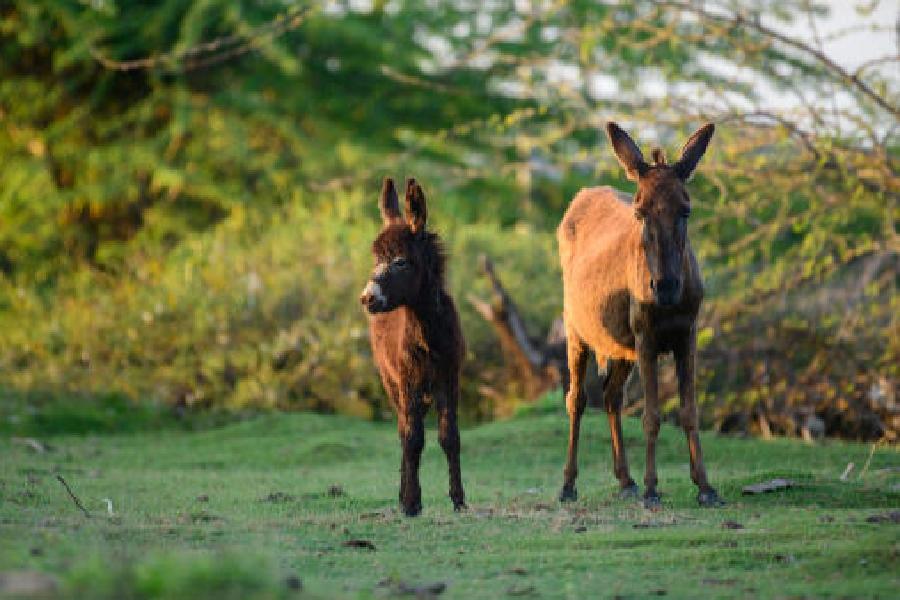
One writer says donkeys could eat dry plants in forests and help stop fires from spreading.
This might be cheaper and more natural than relying only on expensive machines.
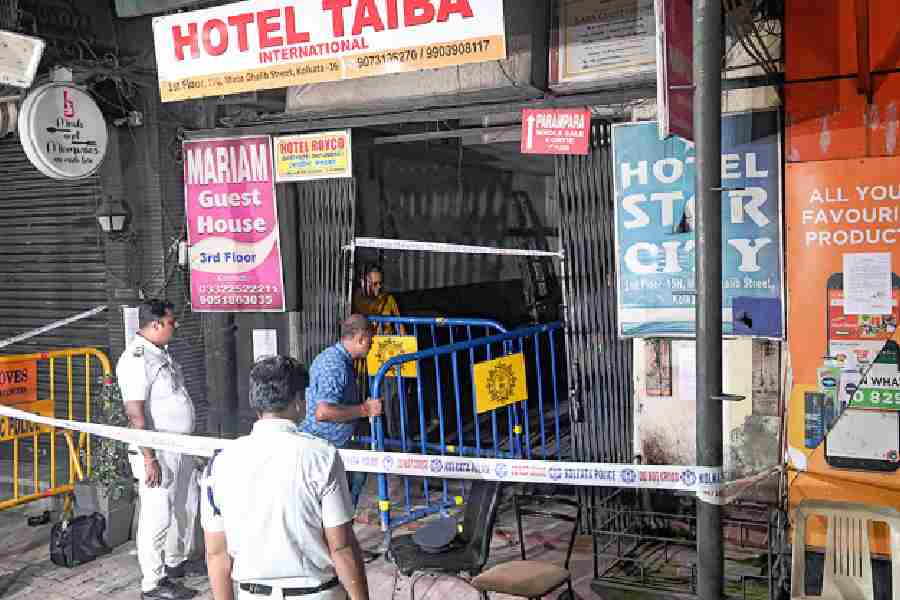
Other writers discuss hotel fires in Calcutta and Tarapith that killed many people.
They say some buildings may not have had safe exits, permits or proper fire protections.
They want stronger inspections and punishment for people who ignore safety rules.
They also suggest publishing hotel safety reports so travellers can make informed choices.
Another writer says lonely people need help from their communities, as well as treatment when necessary.

A letter urges India to consider Spain’s use of donkeys to clear dry vegetation and create natural firebreaks.
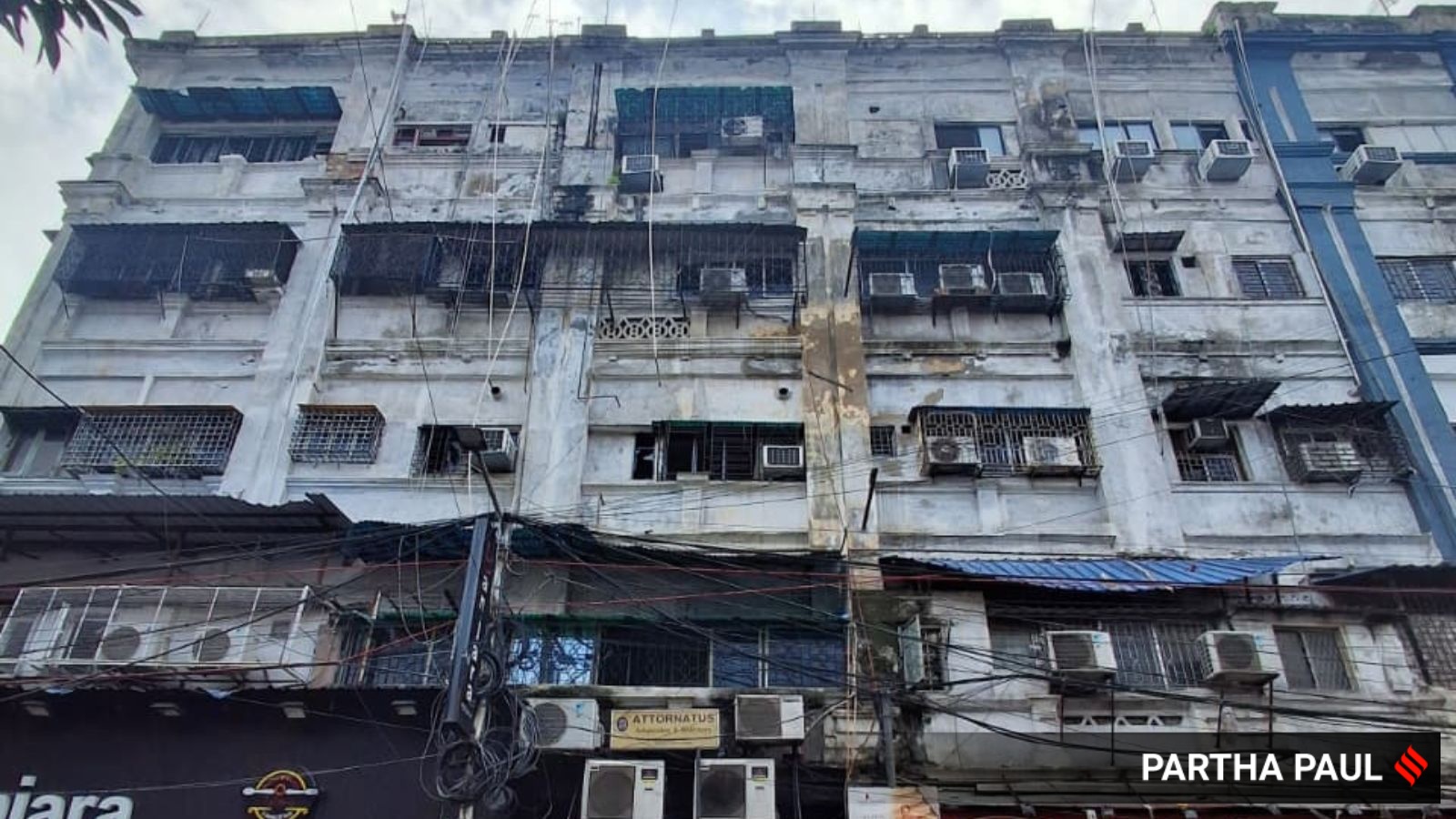
Several letters link recent hotel fires in Calcutta and Tarapith to missing safeguards, blocked exits and weak enforcement.
Writers call for inspections, public disclosure of safety findings, closures of unsafe hotels and prosecution of responsible officials and proprietors.
One letter argues that recurring fires, structural collapses and other disasters reflect corruption and institutional regulatory failures.
Another letter describes loneliness in India as a serious social problem requiring community support alongside therapy and medicine.
- Who
- The letter writers, hotel guests and victims’ families, proprietors, government departments and civic authorities are discussed.
- What
- The letters propose nature-based forest-fire prevention, criticize hotel fire-safety failures and raise concerns about loneliness.
- Where
- The forest-fire suggestion concerns India and Spain; the hotel fires occurred in Calcutta and Tarapith in West Bengal; the loneliness letter is from Maharashtra.
- When
- The hotel fires were reported in letters dated August 18 and August 20; the other concerns are presented as current issues.
- Why
- The writers seek to prevent fires, improve enforcement and accountability, increase public safety information, and reduce social isolation.
Nature-Based and Preventive Approaches
Technology and Reactive Enforcement
Forest-fire prevention
Nature-Based and Preventive Approaches
Using donkeys to clear dry vegetation is presented as an eco-friendly, low-maintenance and effective approach that India could adapt locally.
Technology and Reactive Enforcement
The letter criticizes the reflex of deploying costly technology for every crisis, but does not identify a specific opposing advocate or technology.
Responsibility for hotel fires
Nature-Based and Preventive Approaches
Some letters emphasize the liability of proprietors and managers who operate premises without required safeguards or permits.
Technology and Reactive Enforcement
Other letters stress that civic and departmental authorities are equally responsible for inspections, approvals, enforcement and sustained oversight.
Key facts
- Forest-fire proposal
- Spain is described as using firefighter donkeys to consume dry vegetation and create natural firebreaks.
- Tarapith fire
- A hotel fire in Tarapith reportedly killed nine people.
- Calcutta fire
- A blaze at a building housing budget hotels near New Market reportedly killed nine people.
- Safety concerns
- Letters cite missing permits, inadequate fire protections and obstructed or insufficient escape routes.
- Proposed enforcement
- Writers call for surveys, periodic inspections, closures of deficient properties and legal action against culpable parties.
- Public transparency
- One writer proposes displaying current hotel inspection findings prominently for prospective guests.
- Loneliness
- A letter describes India as the second-loneliest country worldwide and calls for community support for isolated people.
Sources
Related news

West Bengal Fires Expose Safety Failures Beyond Political Blame
Kolkata Hotel Fire Kills Nine as Adhikari Orders SIT Probe
A Year After Mechua Fire, Kolkata Still Lacks Safety

Kolkata Hotel Fire Puts Lodges Across Three Areas Under Scanner
Kolkata Fire Safety Lapses Flagged at 13 Establishments

Central Kolkata Hotels Face Fire-Safety Closure Threats

Messi's Departure Forces Argentina Into A Post-Golden-Era Rebuild

Leandro Paredes Weighs Argentina Future After Ban, Messi Retirement

2026 Summer Window Features Enzo, Barcola and Salah Moves

Enzo Fernandez Joins Manchester City on Deal Through 2031

VIIT Duvvada Hosts Global Education Fair for Study-Abroad Opportunities
