1 week ago
Nashik-Palghar Earthquake Swarm Raises Questions About Seismic Safety

People in Nashik and Palghar have felt many small earthquakes over the past two weeks.
Scientists call a close group of small earthquakes an earthquake swarm.
The strongest reported shaking was between magnitude 4.3 and 4.8.
One possible reason is that monsoon rainwater moved deep into cracks in the hard rock.
The water may have increased pressure and caused the cracks to shift.
Experts say this explanation is probable but needs more investigation.
The area is classified as Seismic Zone 3, where moderate earthquakes can occur.
Buildings designed according to India’s safety rules should not suffer major damage from the current-sized tremors.
Buildings that were not designed properly could be more vulnerable.

Nashik and Palghar have recorded more than sixteen tremors over roughly two weeks, while another account puts the total near thirty.
The strongest reported tremors reached about magnitude 4.3 to 4.8, including a magnitude 4.3 event near Ozar on August 8.
Professor Deepankar Choudhury said monsoon rainwater entering fractured basalt may have raised pore pressure and triggered the swarm.
Both districts are in Seismic Zone 3, where structures are broadly expected to account for earthquakes of magnitude 6 to 6.5.
No serious damage has been reported, but some homes developed hairline cracks and Maharashtra ordered a fresh seismic-risk assessment.
- Who
- Residents of Nashik and Palghar, scientists including Professor Deepankar Choudhury, and Maharashtra government authorities.
- What
- An earthquake swarm has produced more than sixteen reported tremors, with accounts also describing the total as nearly thirty.
- Where
- Across parts of Nashik and Palghar, including Dindori, Peth, Surgana, Ozar, Jawhar and Vikramgad.
- When
- Since the last week of July, with the sharpest reported event occurring on August 8.
- Why
- Hydro-seismicity caused by monsoon water entering fractured basalt is a probable explanation, although geological and seismological investigation is still required.
Risk Concerns
Reassuring Assessment
Potential building damage
Risk Concerns
Buildings not designed according to India’s seismic safety code, IS 1893, could be damaged by earthquakes of the current size.
Reassuring Assessment
Professor Deepankar Choudhury said structures designed according to the code should not suffer major damage from the current swarm.
Meaning of the swarm
Risk Concerns
The repeated tremors warrant concern because the region has experienced recurring swarms and some homes have reported cracks.
Reassuring Assessment
The events are relatively small earthquake-swarm activity, and no serious damage has been reported so far.
Cause and future risk
Risk Concerns
The cause cannot be confirmed without a thorough geological and seismological investigation.
Reassuring Assessment
The timing and past pattern make hydro-seismicity from monsoon rainwater a strong probable explanation rather than evidence presented here of a larger tectonic event.
Key facts
- Reported activity
- More than sixteen tremors were cited by an expert interview; another account described close to thirty.
- Strongest reported tremor
- About magnitude 4.3 near Ozar on August 8; the broader reported range reached approximately 4.3 to 4.8.
- Previous episodes
- Palghar experienced similar earthquake swarms in 2019 and 2023.
- Probable trigger
- Monsoon rainwater may have increased pore water pressure inside fractured basalt.
- Seismic classification
- Mumbai, Nashik and Palghar are in India’s Seismic Zone 3.
- Design range
- Structures in Zone 3 are broadly expected to account for earthquakes of magnitude 6 to 6.5.
- Reported damage
- No serious damage was reported, though some homes developed hairline cracks.
Quotes
Professor Deepankar Choudhury
IIT Bombay geotechnical earthquake engineer and disaster-resilience adviser
“Heavy rain causes water to percolate deep into the rock, and where there are fractures, that water fills the pores and builds up what we call pore water pressure. That pressure can widen existing cracks, and eventually the rock gives way -- which surfaces as tremors.”
 rediff.com
“I wouldn't put it quite like that. It can be a cause for worry -- if the buildings standing on this ground haven't been designed properly to handle it.”
rediff.com
Sources
Related news
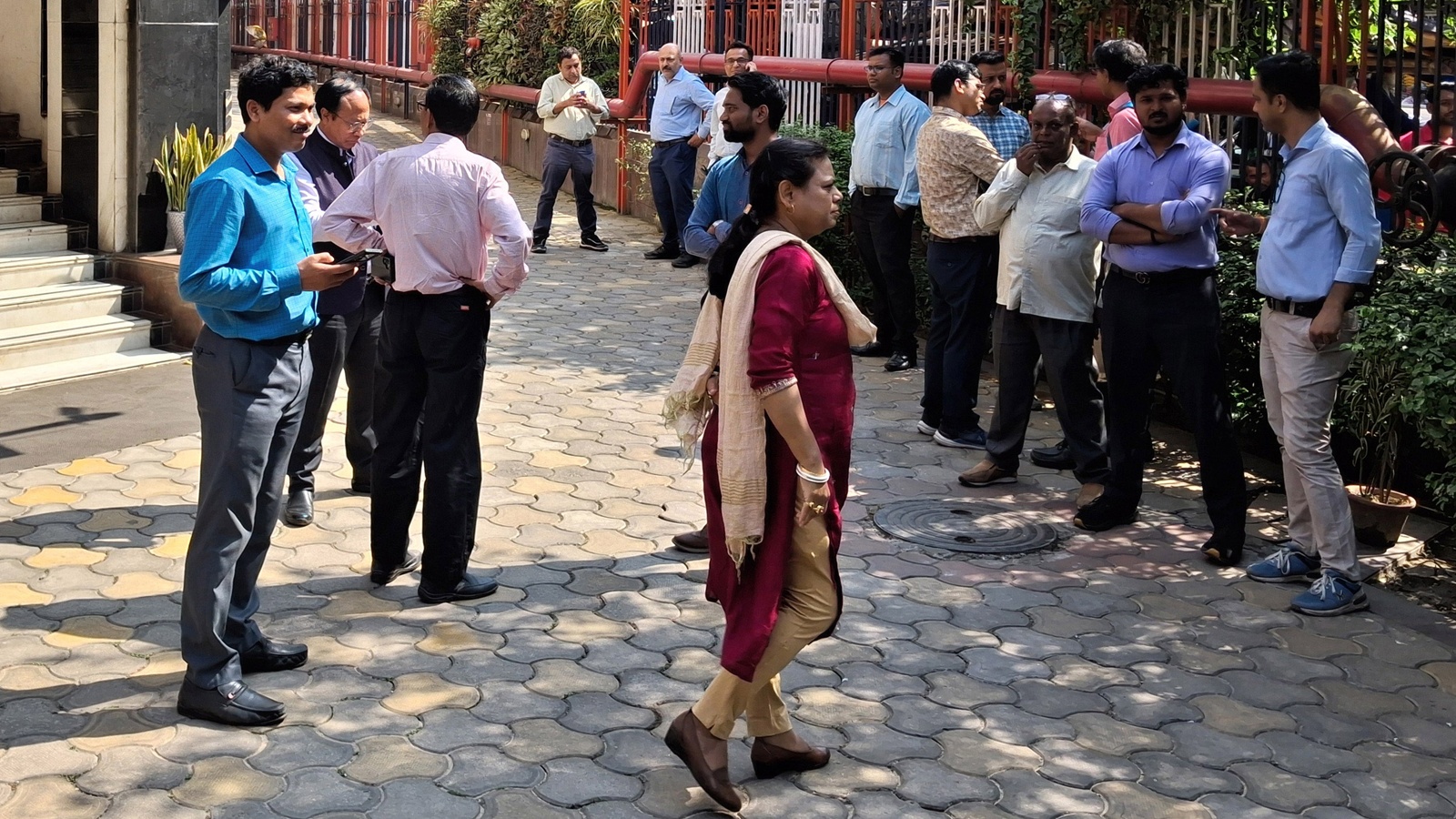
Why Maharashtra recorded 29 earthquakes in past 16 days

Fresh tremors shake Nashik as seismic sequence continues in Maharashtra
Nashik Records 64 Tremors In A Month; Experts Advise Monitoring

4.3-Magnitude Earthquake Jolts Maharashtra's Nashik; No Casualties Reported

Fadnavis orders earthquake risk assessment in Nashik and Palghar
Tremors from 3.2 to 3.5 magnitude shake Maharashtra's Nashik district

Maharashtra Ministers Seek End to Jarange Patil’s Maratha Quota Fast

Maharashtra Land Bank Aims to Speed Infrastructure Projects

Maharashtra CM Signals Hinjawadi Transfer To PCMC Soon
Anna Hazare Improves, to Stay in Mumbai Hospital Two Days

BJP MLA Seeks Probe Into Alleged BMC Transfer Racket