18 hrs ago
Supreme Court Says Written Arrest Grounds Are Fundamental Right

The Supreme Court explained an important rule about arrests.
Police must tell an arrested person why they are being arrested.
This explanation must be given in writing and in a language the person understands.
It must be provided as soon as possible.
If police do not follow this rule, the arrest can be declared illegal.
The person may then have to be released immediately.
Police cannot fix the problem simply by filing charges later.
The court also said arrested people must be taken before a magistrate within 24 hours.

The Supreme Court ruled that failing to inform an accused of arrest grounds violates fundamental rights and makes the arrest illegal.
It said grounds of arrest must be provided in writing, in a language understood by the accused, at the earliest opportunity.
The court held that non-compliance requires immediate release, and later filing of a chargesheet cannot validate the arrest.
Investigating agencies must approach a magistrate before re-arresting someone previously released for violations involving arrest grounds or detention beyond 24 hours.
The ruling also said high courts may award compensation when authorities violate the requirement to produce an arrested person before a magistrate within 24 hours.
- Who
- The Supreme Court bench of Justices Ujjal Bhuyan and A S Chandurkar, ruling in a case involving Jaskaran Jeet Singh Deol.
- What
- The court held that failing to provide written grounds of arrest violates constitutional rights and renders the arrest illegal.
- Where
- The ruling concerned proceedings involving the Punjab and Haryana High Court and Punjab Police.
- When
- The verdict was reported on September 21; the Punjab and Haryana High Court order under review was dated May 29.
- Why
- To enforce the constitutional safeguards protecting personal liberty and requiring prompt judicial oversight of arrests.
Key facts
- Constitutional provisions
- Article 22(1) requires grounds of arrest to be provided; Article 22(2) requires production before a magistrate within 24 hours; Article 21 protects life and personal liberty.
- Required arrest notice
- The grounds of arrest must be provided in writing, in a language understood by the accused, at the earliest opportunity.
- Effect of violation
- Non-compliance makes the arrest unconstitutional and requires immediate release.
- Later proceedings
- A subsequent chargesheet or order taking cognisance does not validate an unlawful arrest.
- Re-arrest
- An investigating agency must approach a magistrate before re-arresting a person previously released for such violations.
- Compensation
- A high court may award compensation for violating the 24-hour production requirement, without preventing separate civil-law remedies.
- Case
- The Supreme Court set aside a May 29 Punjab and Haryana High Court order involving Jaskaran Jeet Singh Deol, a POCSO case accused.
Quotes
Justice Ujjal Bhuyan
Supreme Court judge who delivered the verdict for the bench.
“Any attempt to encroach upon the fundamental rights guaranteed under Article 22(1) of the Constitution has to be frowned upon by the courts and dealt with strictly. It would vitiate the process of arrest and remand. Such a fundamental right being sacrosanct, cannot be breached under any situation.”
 theprint.in
“Thus, if a person is not informed of the grounds of his arrest as soon as may be, it would amount to a violation of his fundamental rights, thereby curtailing his right to life and personal liberty under Article 21 of the Constitution, rendering the arrest illegal.”
theprint.in
Sources
Related news
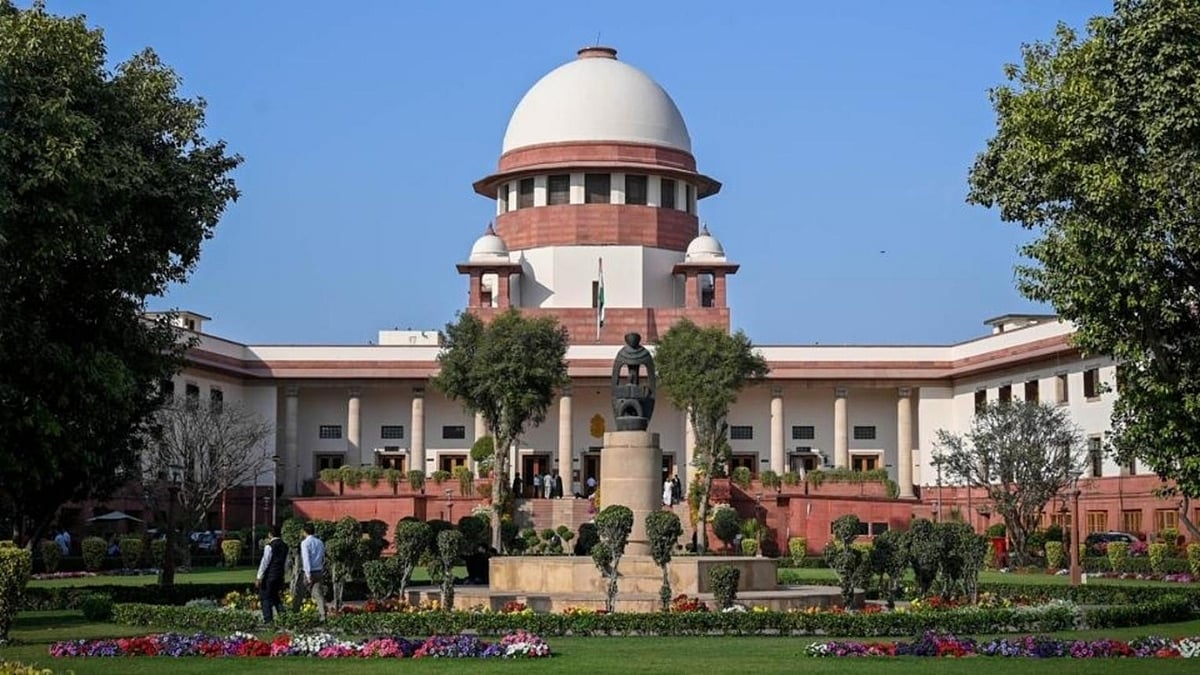
Supreme Court Requires Magistrate Approval Before Article 22 Re-Arrest
Supreme Court Orders Inquiry Over Arrests Without Written Grounds

Supreme Court Mandates Written Arrest Grounds in PMLA, UAPA Cases

Supreme Court Requires Magistrate Permission for Re-Arrest After Quashed Arrest

Influencer Sent to Judicial Custody Over Alleged Jantar Mantar Assault

Bombay High Court Says Police Station Waiting Is Not Arrest

Supreme Court Examines Penalties for Refusing Vande Mataram
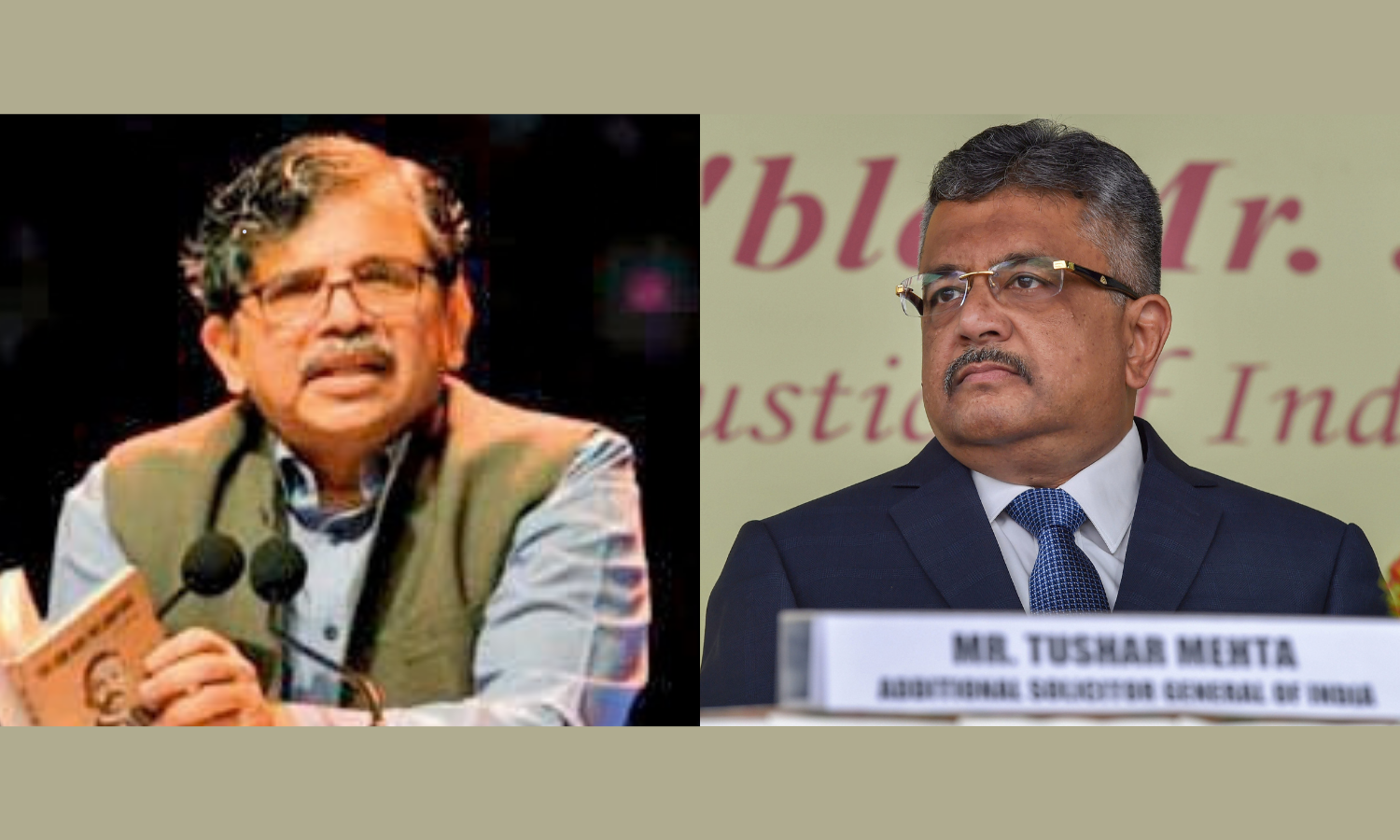
Supreme Court Examines Vande Mataram Law Amid Heated Exchange

Supreme Court Questions ECI Over Delhi SIR Notices

Karnataka High Court Hears Challenge to Vande Mataram Curbs

Supreme Court Examines Challenge to Six-Stanza Vande Mataram Mandate