2 weeks ago
Can Smartwatches Really Tell If Your Heart Is Healthy?
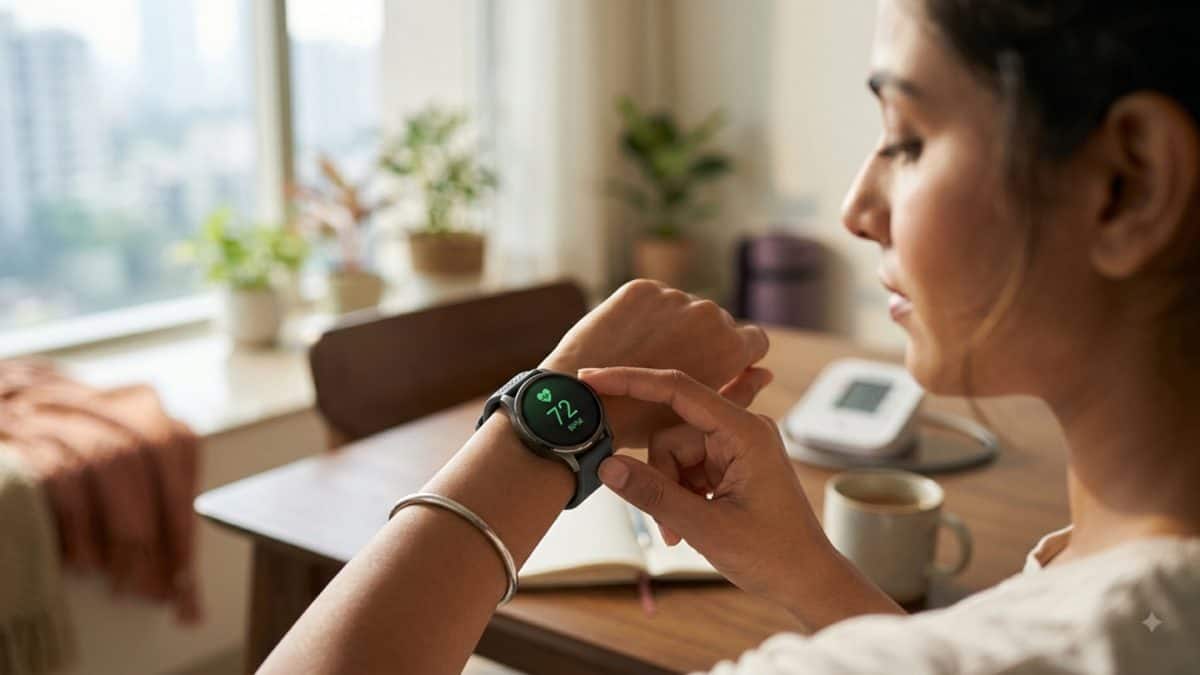
A smartwatch is a special watch that can count how fast your heart beats.
Some smartwatches can even record a simple heart test called an ECG and can ring an alarm if your heart beats in a strange way.
That alarm can be helpful, like a friend telling you to pay attention.
But the watch cannot tell you if your heart is completely healthy.
It cannot see inside your body to check for clogged pipes in your heart, called blocked arteries.
It also cannot check for heart problems like weak valves or high cholesterol.
Sometimes the watch rings the alarm by mistake, because moving around or the watch not touching your skin well can confuse it.
So if your watch gives a strange warning, do not panic, but do tell a doctor.
A doctor can do bigger and better tests to make sure your heart is really okay.
Your smartwatch is a helper, not a doctor.

Smartwatches can track heart rate, record single-lead ECGs and flag irregular rhythms that may suggest atrial fibrillation.
Cardiologists say a normal reading does not mean a healthy heart, since devices cannot detect blocked arteries, structural heart disease or valve problems.
A smartwatch ECG provides a much narrower view of heart activity than a clinical 12-lead ECG.
Alerts can be false positives caused by movement, poor skin contact, sensor limitations and signal quality, so a notification is not a diagnosis.
Doctors advise not to panic but not to ignore persistent abnormal readings, and to seek medical attention for symptoms such as chest discomfort, breathlessness, dizziness, fainting or palpitations.
- Who
- Cardiologists Dr Ashok Malpani of BM Birla Heart Hospital and Dr Chirag D of Aster Whitefield Hospitals, speaking to smartwatch users
- What
- Explained that smartwatches can detect warning signs like irregular heart rhythms but cannot confirm that a heart is healthy or rule out conditions such as blocked arteries
- Where
- At cardiac hospitals including BM Birla Heart Hospital and Aster Whitefield Hospitals
- When
- Not specified in the articles
- Why
- Because people increasingly assume a normal smartwatch reading means a healthy heart, and doctors want to clarify what wearables can and cannot do
Key facts
- Main message
- Smartwatches can flag warning signs but cannot give your heart a clean bill of health
- What devices track
- Pulse rate via optical sensors and single-lead ECG recordings
- Detectable conditions
- Abnormally high heart rate, irregular rhythm, possible atrial fibrillation
- Not detectable
- Blocked arteries, structural heart disease, valve problems, high blood pressure, high cholesterol
- ECG comparison
- Smartwatch uses a single lead; clinical 12-lead ECG records from multiple points
- False alerts
- Movement, poor skin contact, sensor limitations and signal quality can cause false positives
- When to see a doctor
- Persistent or repeated abnormal readings, or symptoms like chest discomfort, breathlessness, dizziness, fainting, palpitations
- Expert guidance
- American Heart Association guidance says photoplethysmography results need clinical interpretation
Quotes
Dr Ashok Malpani
Interventional Cardiologist at BM Birla Heart Hospital
“A smartwatch could be valuable as a detection device for certain heart conditions, but it can’t, on its own, inform you that your heart is entirely healthy.”
 firstpost.com
“Smartwatches can be useful for identifying certain warning signs, particularly changes in heart rate or rhythm.”
firstpost.com
Sources
Related news
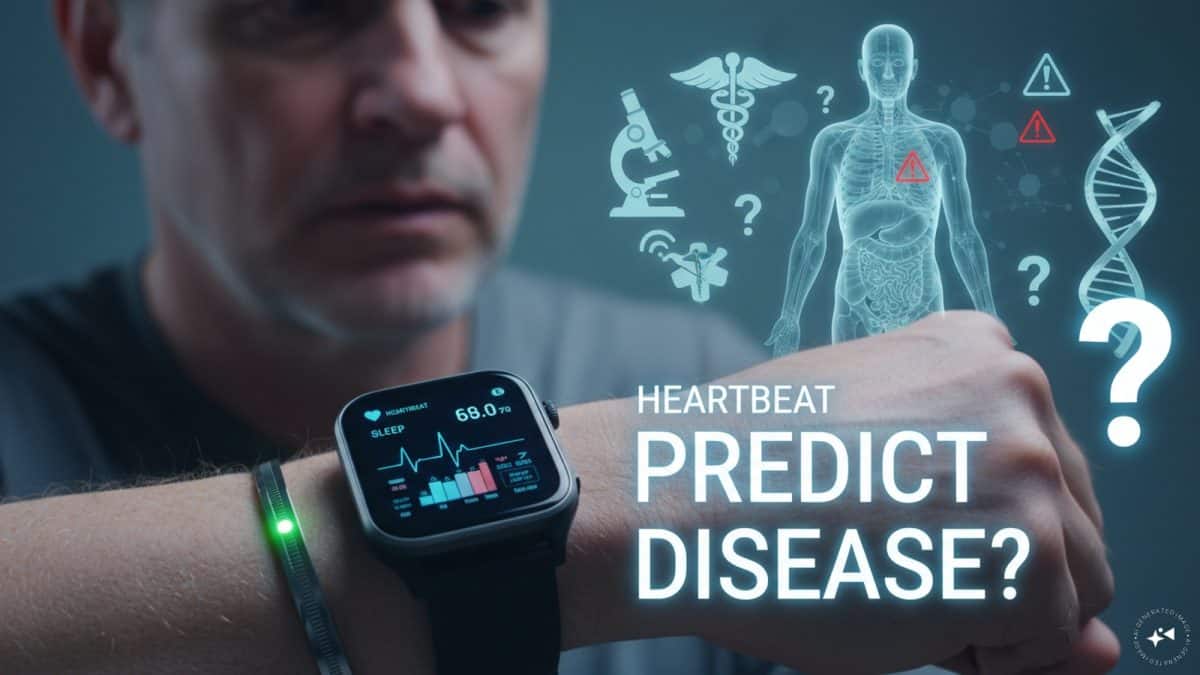
Smartwatches track health changes but cannot predict disease, doctors say

Top Doctors Warn Against Trusting Every Smartwatch Health Reading

5 Smartwatches that Track Heart Rate Accurately Ahead of Amazon Sale

Six Smartwatches Worth Watching for Heart-Rate Tracking Accuracy

Dr Shriram Nene's 90-Day Smart Ring Experiment Reveals Health Patterns
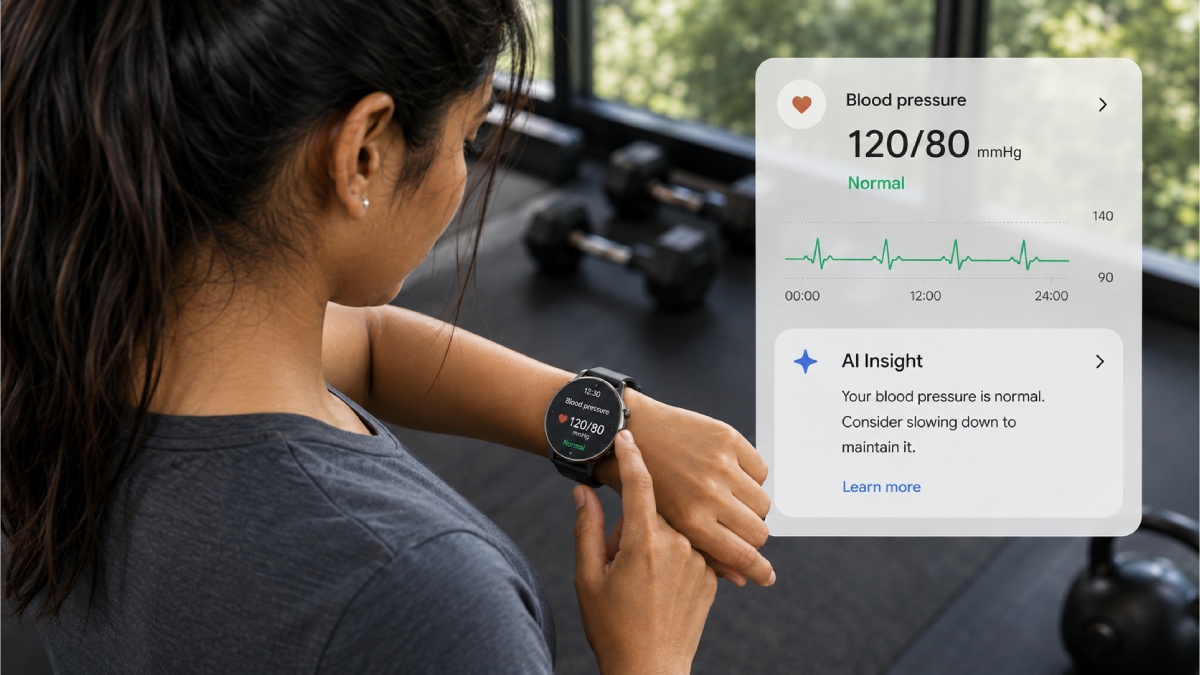
Premium AI Smartwatches Personalising Wellness: Top Models Experts Recommend

Body Signals That Show When You Need More Rest

US Cholesterol Guidelines Call for Earlier, More Personalized Screening

JP Nadda Undergoes Coronary Angiography at AIIMS, Explain Doctors

Heart Valve Disease: The Quiet Health Threat That Steals Stamina