1 week ago
Iran Rejects Trump’s Economic Warfare as IRGC Threatens Escalation
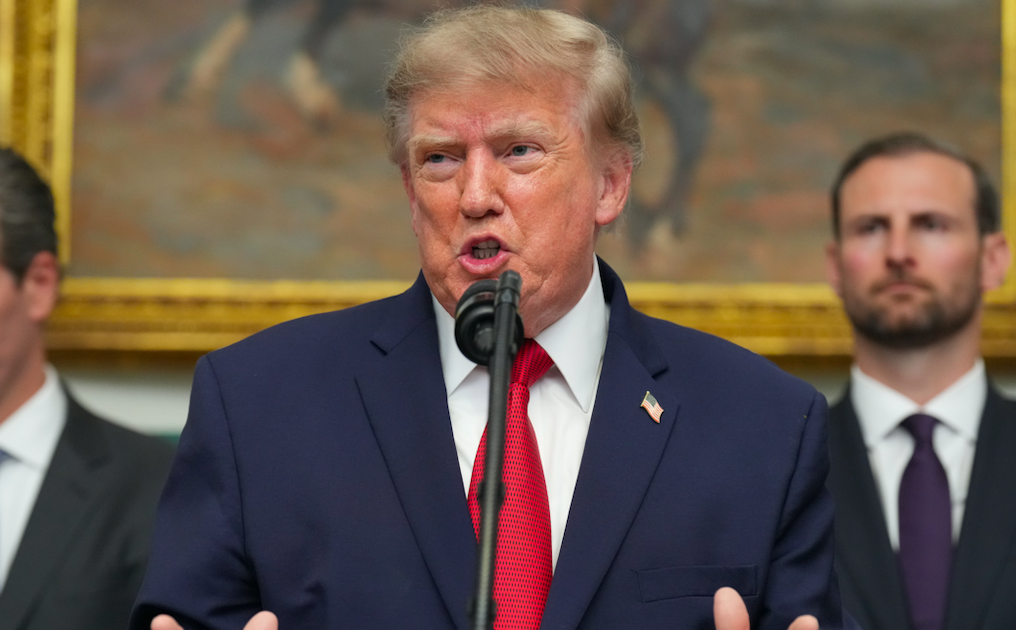
President Donald Trump said the United States would begin a very strong economic campaign against Iran.
He described it as economic warfare and isolation.
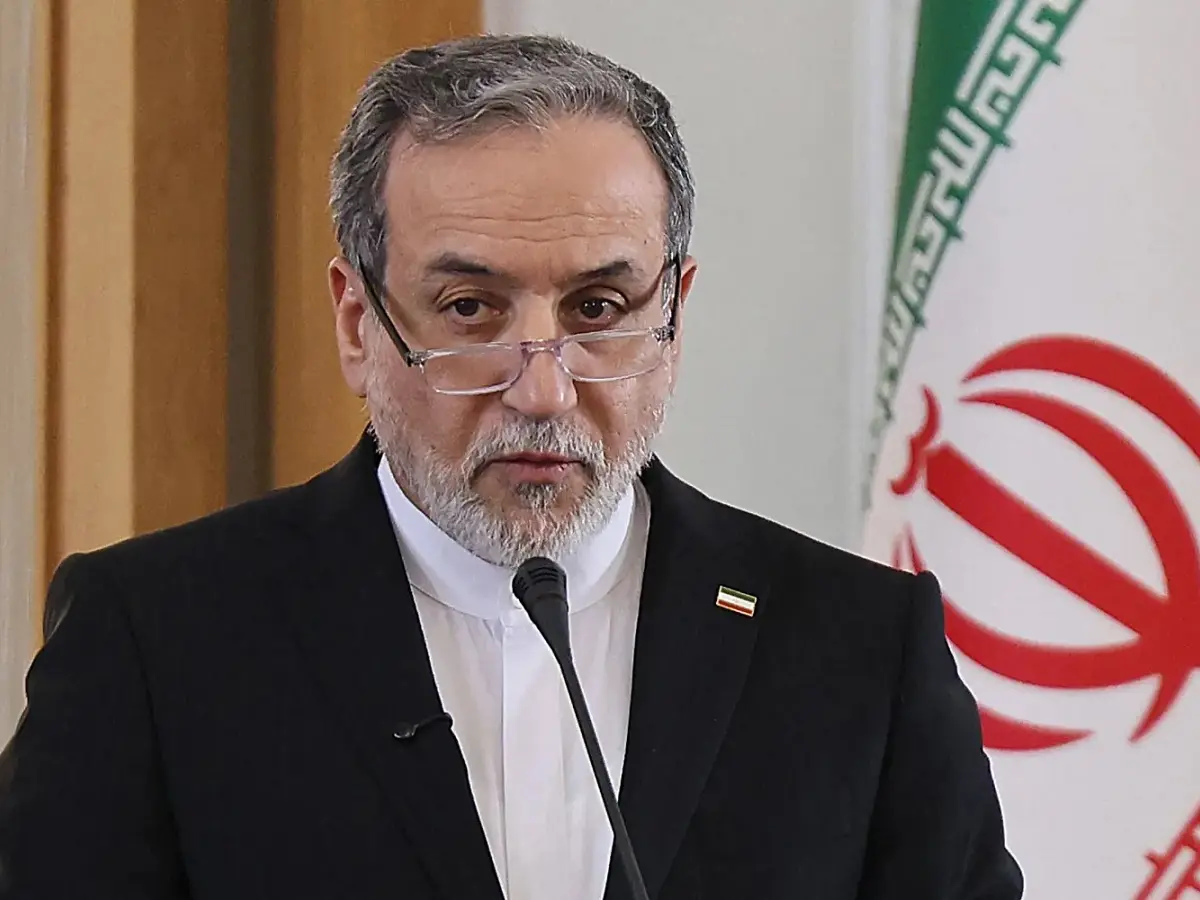
Iran’s foreign minister rejected the plan and called it economic terrorism.
He also said the policy could hurt countries around the world.
An Iranian Revolutionary Guard spokesman warned that Iran’s weapons would be more advanced if fighting started again.
He said the weapons could have better accuracy, longer range and greater destructive power.
China said sanctions and pressure would not solve the dispute.
China urged the countries involved to use diplomacy instead.

President Donald Trump announced a “crushing economic operation” against Iran involving unprecedented economic warfare and isolation.
Iranian Foreign Minister Abbas Araghchi called the announcement “economic terrorism” and said it could worsen global economic and sovereignty concerns.
Islamic Revolutionary Guard Corps spokesman Hossein Mohebbi warned Iran would use more precise and destructive weapons if another war begins.
Mohebbi said Iran is advancing missile warheads, accuracy, range and other military technologies.
China criticized additional sanctions and urged the United States and Iran to resolve their disputes through diplomacy and political means.
- Who
- U.S. President Donald Trump, Iranian Foreign Minister Abbas Araghchi, Islamic Revolutionary Guard Corps spokesman Hossein Mohebbi, and China’s Foreign Ministry spokesman Lin Jian.
- What
- The United States announced a major economic campaign against Iran, while Iran warned of a stronger military response and China criticized further sanctions.
- Where
- Trump announced the policy on Truth Social; Araghchi responded on social media; Mohebbi spoke to Iranian state broadcaster IRIB; and Lin Jian addressed reporters in Beijing.
- When
- Trump made the announcement on Wednesday; Araghchi and Mohebbi responded on Thursday, according to the article.
- Why
- Trump described the plan as economic warfare and isolation. The articles do not provide a further explanation for the U.S. action.
Iran and China
United States
Economic pressure
Iran and China
Iran calls the announced campaign economic terrorism and says doubling down on failed policies could increase hostility and threaten the global economy. China says sanctions and pressure do not solve the issue.
United States
Trump announced what he described as an unprecedented economic warfare and isolation campaign against Iran.
Handling the tensions
Iran and China
China urges the relevant parties to resolve outstanding issues through diplomatic and political means. Iran warns that renewed conflict could prompt it to deploy more advanced weapons.
United States
The administration’s stated approach, as described in the article, is a major economic operation intended to pressure and isolate Iran.
Key facts
- U.S. announcement
- Donald Trump called for a “crushing economic operation” involving economic warfare and unprecedented isolation of Iran.
- Iranian response
- Abbas Araghchi called the policy “US economic terrorism” and said it could threaten the global economy and sovereignty.
- Military warning
- Hossein Mohebbi said Iran’s weapons would be more precise, destructive and technologically advanced if war resumed.
- Weapons development
- Mohebbi cited improvements to missile warheads, accuracy and range.
- China’s position
- Lin Jian said sanctions and pressure would not solve the issue and called for diplomatic and political measures.
- Iranian oil purchases
- Kpler data cited in the article says China buys more than 80 percent of Iran’s shipped oil.
Quotes
Brig. Gen. Hossein Mohebi
IRGC spokesman
“"The so‑called ‘Economic D‑Day’ is a diversion from America’s own crisis: unprecedented debt and surging interest costs."”
 wionews.com
“"If another war begins, our weapons will certainly be different from the past."”
wionews.com
Sources
Related news

Iran Condemns Trump’s Economic Operation as Global Threat
US Seeks Allies’ Support for Economic War on Iran

Iran Calls US Sanctions Threat Economic War and Failure
US Threatens Iran With Economic D-Day as Tehran Responds
Iran Rejects Trump’s Economic Warfare Sanctions as Counterproductive

Trump Announces Unprecedented Economic Campaign to Isolate Iran, Warns Allies

OVL’s Venezuela oil prospects brighten after US clearance
India’s Russian Oil Imports Fall Amid Supply Pressure

Hormuz Vessel Transits Remain Low as Tanker Is Stopped
CNG Prices Rise in Delhi as LPG, PNG Rates Vary

China’s August LNG Imports Fall as High Prices Weigh Demand