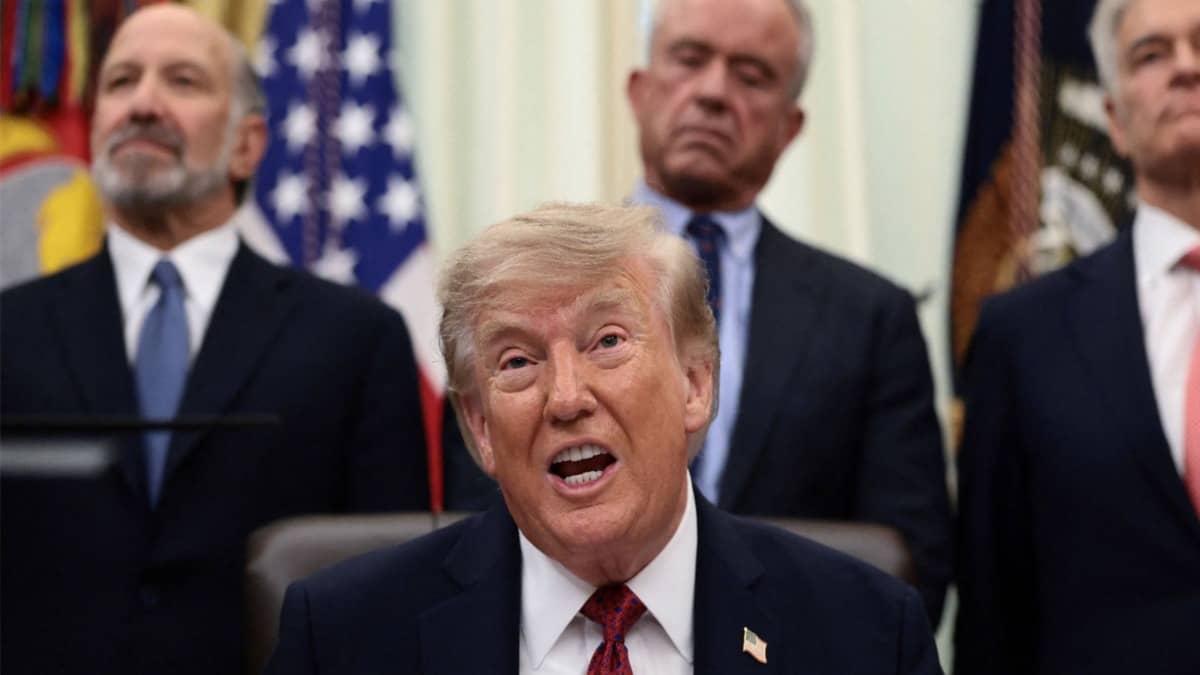
6 hrs ago
Canada Plans Retaliatory Tariffs as Trump Trade Dispute Escalates

Canada and the United States are arguing about taxes on goods traded between them.
These taxes are called tariffs, and they make imported products more expensive.
Canada plans to add new tariffs on many products from the United States.
Some steel tariffs could double from 25% to 50%.
The United States had already placed large tariffs on Canadian goods.
The two countries tried to make a deal, but the talks fell apart.
Each government blamed the other for the failure.
Canada says it wants a lasting agreement and is ready to resume talks, while the United States may respond with more trade restrictions.

Canada plans to impose 15% to 50% tariffs on hundreds of US products from Tuesday, September 8.
Tariffs on several US steel products would rise to 50% from 25%, while motorcycles, cosmetics and cheese would also be affected.
The measures follow US tariffs of 50% on about $20 billion worth of Canadian goods imposed on August 22.
Trade talks collapsed after Trump said on August 18 that the countries had reached a preliminary agreement requiring finalization within three days.
Canada says it remains ready to negotiate, while the US has warned of possible further tariffs or bans on some Canadian imports.
- Who
- The Canadian government led by Prime Minister Mark Carney and the US administration led by President Donald Trump are involved, with negotiators and lawmakers also urging a resolution.
- What
- Canada plans retaliatory tariffs of 15% to 50% on hundreds of US products, escalating an ongoing trade dispute.
- Where
- The dispute concerns trade between Canada and the United States.
- When
- The new Canadian measures are scheduled to begin Tuesday, September 8; the dispute intensified after US tariffs on August 22 and failed talks following August 18.
- Why
- Canada says the tariffs are intended to pressure US businesses and the administration to resume negotiations and reach a durable agreement.
Canada’s Position
US Administration’s Position
Purpose of tariffs
Canada’s Position
Canada says the tariffs are meant to make the trade dispute costly enough for US businesses and consumers to encourage Washington to return to negotiations, not to start a trade war.
US Administration’s Position
The Trump administration has already imposed 50% tariffs on about $20 billion worth of Canadian goods and may respond to Canada’s measures with additional restrictions.
Trade negotiations
Canada’s Position
Mark Carney says Canada remains ready to reach a durable agreement, provided its automotive, steel and aluminium industries can remain competitive.
US Administration’s Position
Donald Trump said the countries had reached a preliminary deal, but the agreement collapsed; US and Canadian officials subsequently blamed each other for the breakdown.
Future escalation
Canada’s Position
Canadian officials say US demands could undermine Canadian sovereignty and damage key industries.
US Administration’s Position
US Trade Representative Jamieson Greer has indicated that Washington could impose more tariffs or ban certain Canadian imports, while Trump has threatened higher automobile tariffs.
Key facts
- Canadian tariff range
- 15% to 50% on hundreds of US products
- Steel tariffs
- Several US steel products would face tariffs of 50%, up from 25%
- Additional products
- Motorcycles, cosmetics and cheese are among the consumer goods covered
- Existing US tariffs
- The US imposed 50% tariffs on about $20 billion worth of Canadian goods on August 22
- Previous Canadian response
- Canadian officials announced counter-tariffs targeting roughly the same dollar value of US products three days later
- Possible US response
- The administration has indicated it could impose additional tariffs or ban certain Canadian imports
- Automobile threat
- Trump has threatened to raise auto tariffs to 50% from 25% beginning January 1, 2027, but has not formally implemented the measure
Quotes

Mike Johnson
Speaker of the US House of Representatives
“Canada’s retaliatory tariffs are meant to make the cost of this trade war real enough for American businesses and consumers that Washington sees a clear incentive to return to the table.”
 livemint.com
“We need Canada to come to the table, and be in good faith, and work through this, because it’s very important for both countries”
livemint.com
Sources
Related news

Canada Announces Dollar-for-Dollar Tariffs After US Trade Talks Collapse

Canada Retaliates as Trade War with US Escalates

Canada Retaliates With Up to 50% Tariffs on U.S. Goods

Canada Announces Retaliatory Tariffs After U.S. Trade Talks Collapse
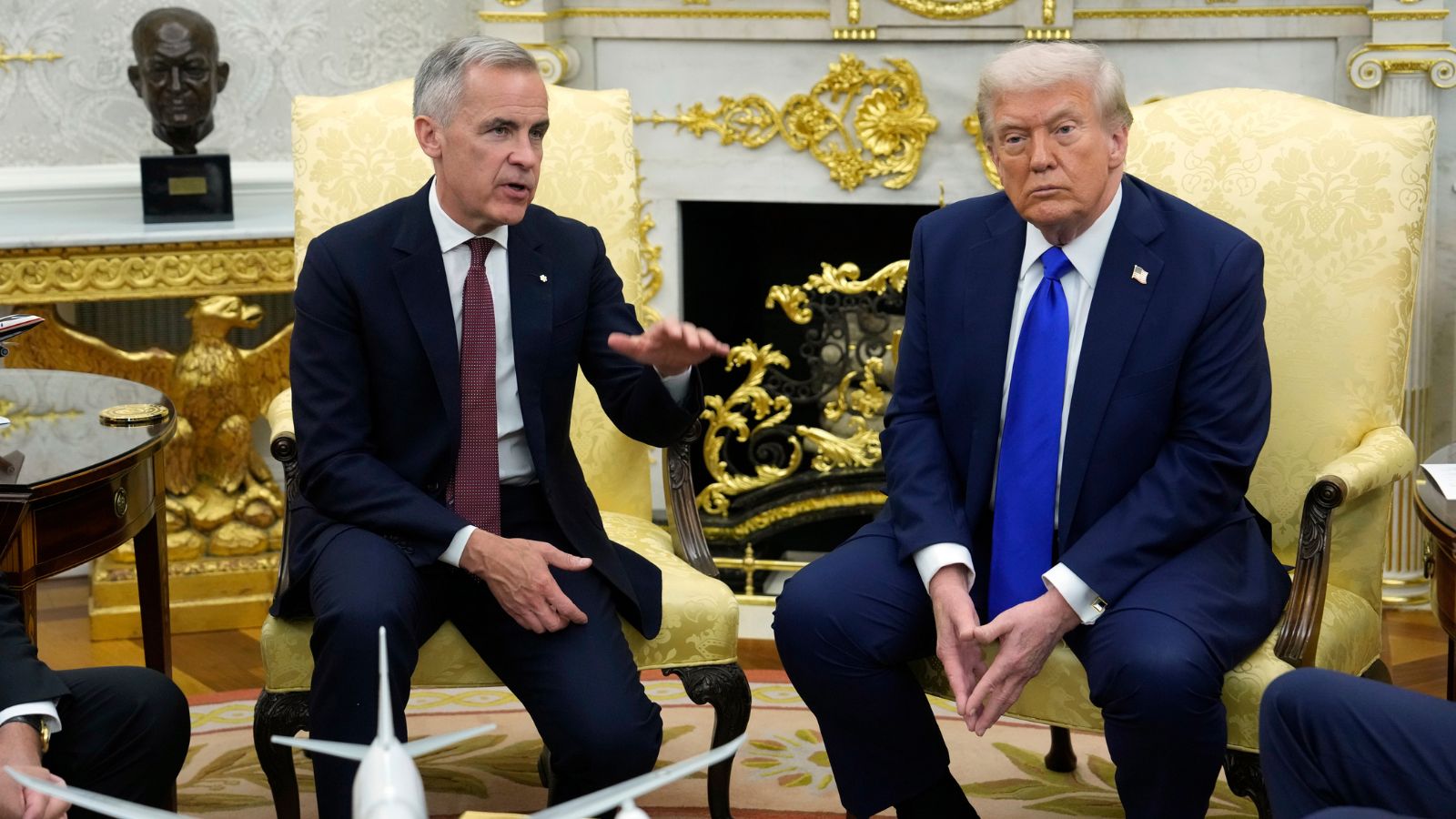
Trump and Canada Escalate Trade Fight Over Retaliatory Tariffs
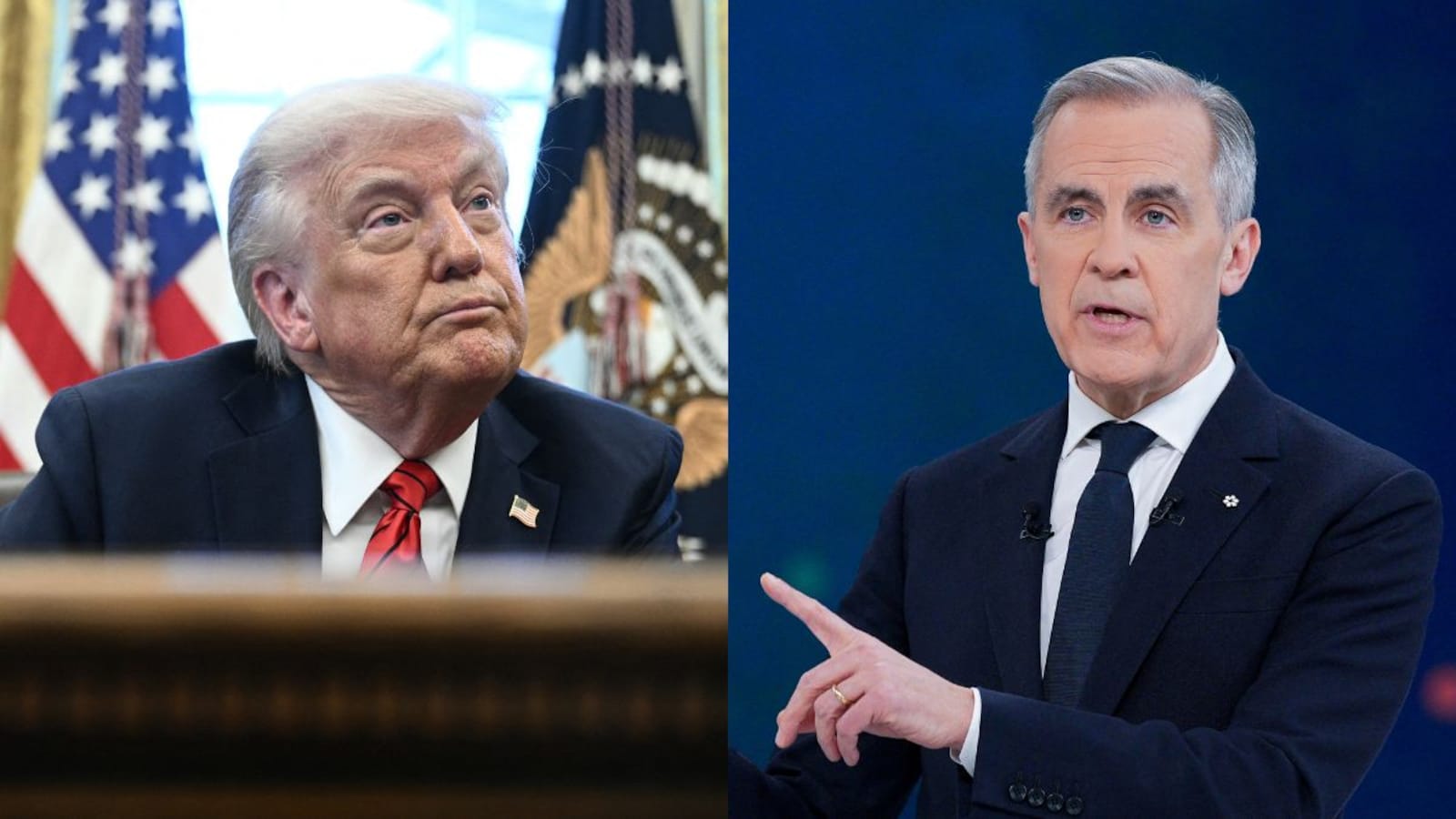
Canada Announces Retaliatory Tariffs as US Trade War Escalates
Trump’s pressure campaign strains alliances and reshapes global ties

Trump Shares AI Intel Stock Image Amid Investment Scrutiny

Flexible Workspaces Become Core to Corporate Real Estate
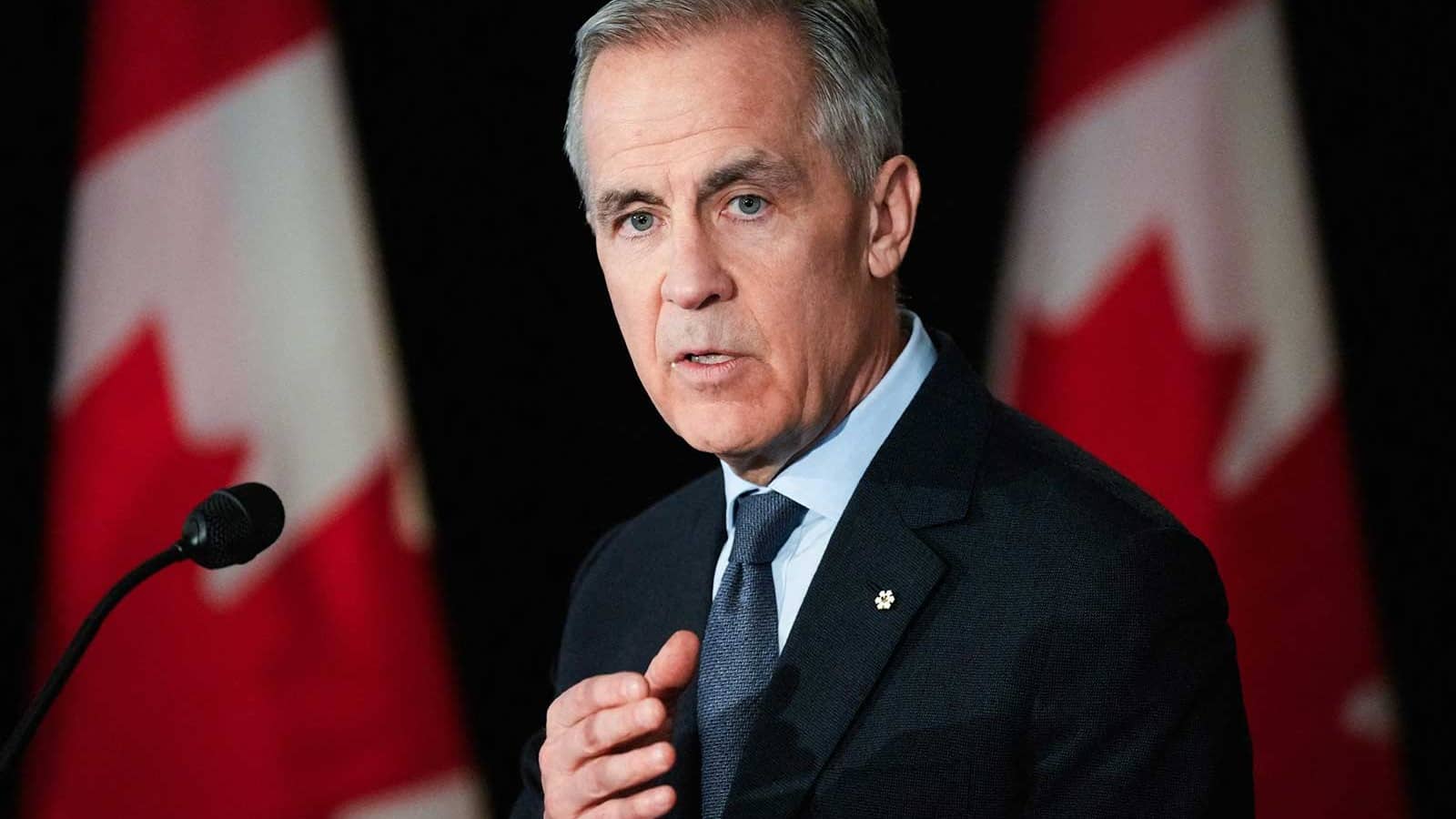
Carney Says Canada Ready for Durable, Mutual US Trade Deal