3 hrs ago
VanDyke Release Revives Questions About Foreign Accused Leaving India
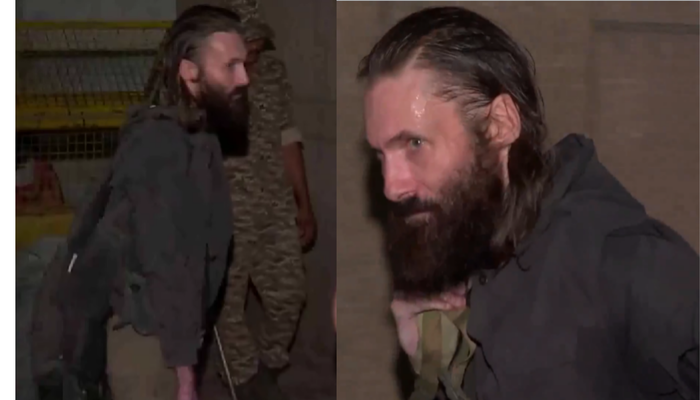
Matthew VanDyke and six Ukrainians were arrested in India during an investigation connected to activities near Myanmar.
Investigators initially suspected them of helping armed groups with drone technology.
Later, the National Investigation Agency dropped the serious terrorism charges because it said it lacked enough proof.
The remaining allegations concern immigration and visa rules.
Because the investigation took longer than the legal deadline, the accused received default bail.
A court then allowed them to travel to their home countries for one month.
The article worries that they might not return, as happened in several older cases.
Warren Anderson, two Italian marines and Ottavio Quattrocchi all left India during legal proceedings and never faced a full trial there.
The court's order is temporary, and the investigation is still open.

An NIA court allowed Matthew Aaron VanDyke and six Ukrainians to leave India for one month.
The group was initially accused under UAPA of training armed groups in Myanmar, including in drone warfare.
The NIA later dropped the UAPA charges and filed only immigration-related charges under the Immigration and Foreigners Act.
VanDyke and the Ukrainians received default bail after investigators missed the 180-day deadline for completing the probe.
The cases of Warren Anderson, two Italian marines and Ottavio Quattrocchi are cited as examples of foreign accused who left India and never faced trial there.
- Who
- Matthew Aaron VanDyke, six Ukrainian nationals, and India's National Investigation Agency are central to the current case.
- What
- A special NIA court allowed the seven accused to leave India for one month while an immigration-related case and investigation continue.
- Where
- VanDyke was arrested at Kolkata airport, and the group allegedly travelled through India's northeast toward Myanmar; VanDyke was held in Delhi's Tihar Jail.
- When
- The court's recent order followed nearly six months of VanDyke's detention; the older comparison cases date from 1984, 2012 and the 1980s onward.
- Why
- The court allowed travel after the accused received default bail and the immigration matter was cleared through the Foreigners Regional Registration Office.
Arguments for Temporary Release
Concerns About Nonreturn
Legal basis for release
Arguments for Temporary Release
The accused received default bail after investigators missed the 180-day deadline, and the immigration matter was cleared through the Foreigners Regional Registration Office.
Concerns About Nonreturn
The NIA investigation remains open, and the original allegations involved activities near the Myanmar border that the article says have not been fully resolved.
Reliability of return promises
Arguments for Temporary Release
The current order allows travel only for a limited period, unlike the older cases cited in the article.
Concerns About Nonreturn
The article argues that Warren Anderson, the two Italian marines and Ottavio Quattrocchi left India during legal proceedings and never returned for trial there.
Seriousness of the case
Arguments for Temporary Release
The NIA ultimately said it lacked solid proof that the group's activities directly harmed India's security or people and therefore dropped the UAPA charges.
Concerns About Nonreturn
The group was initially investigated under terrorism legislation after allegations that it trained armed groups in Myanmar in drone-related skills.
Key facts
- Current accused
- Matthew Aaron VanDyke and six Ukrainian nationals
- Travel permission
- The accused may leave India for one month
- Initial allegations
- Training armed ethnic groups in Myanmar in drone warfare, drone building and drone jamming
- Chargesheet
- The NIA dropped UAPA charges and proceeded under Sections 21 and 23 of the Immigration and Foreigners Act
- Bail basis
- Default bail followed the investigation exceeding the 180-day legal limit
- Earlier example
- Warren Anderson left India after the 1984 Bhopal gas disaster and never returned for trial
- Italian marines outcome
- Massimiliano Latorre and Salvatore Girone left India; an international tribunal later directed that they be tried in Italy
Sources
Related news
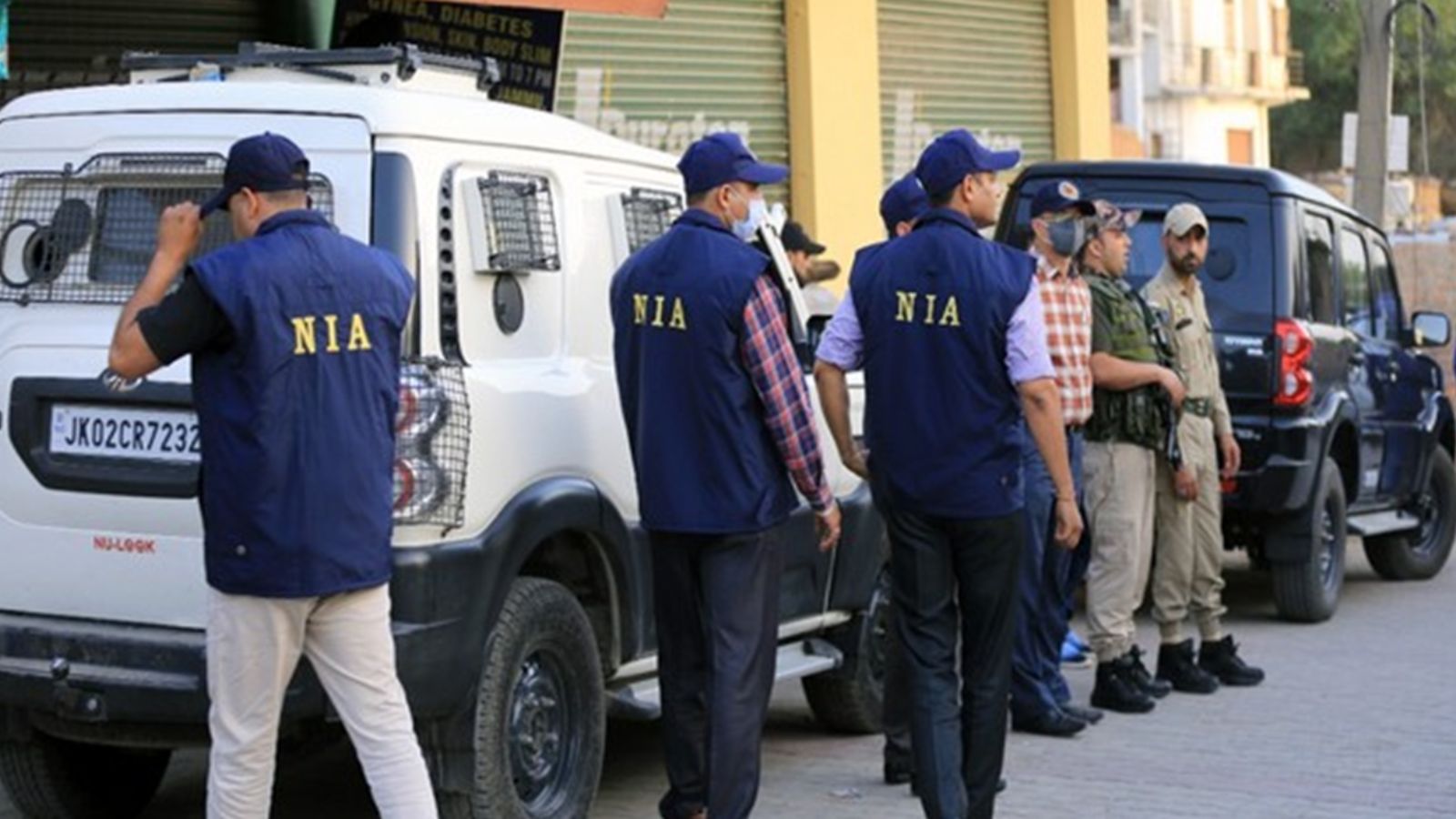
Delhi Court Lets Seven Foreign Nationals Leave India Temporarily
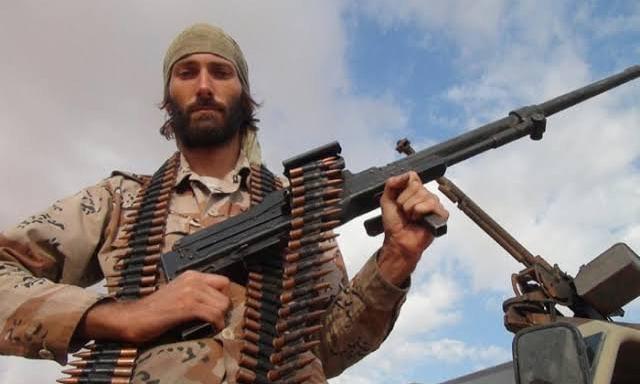
Delhi Court Allows Seven Foreign Nationals Family Travel Abroad
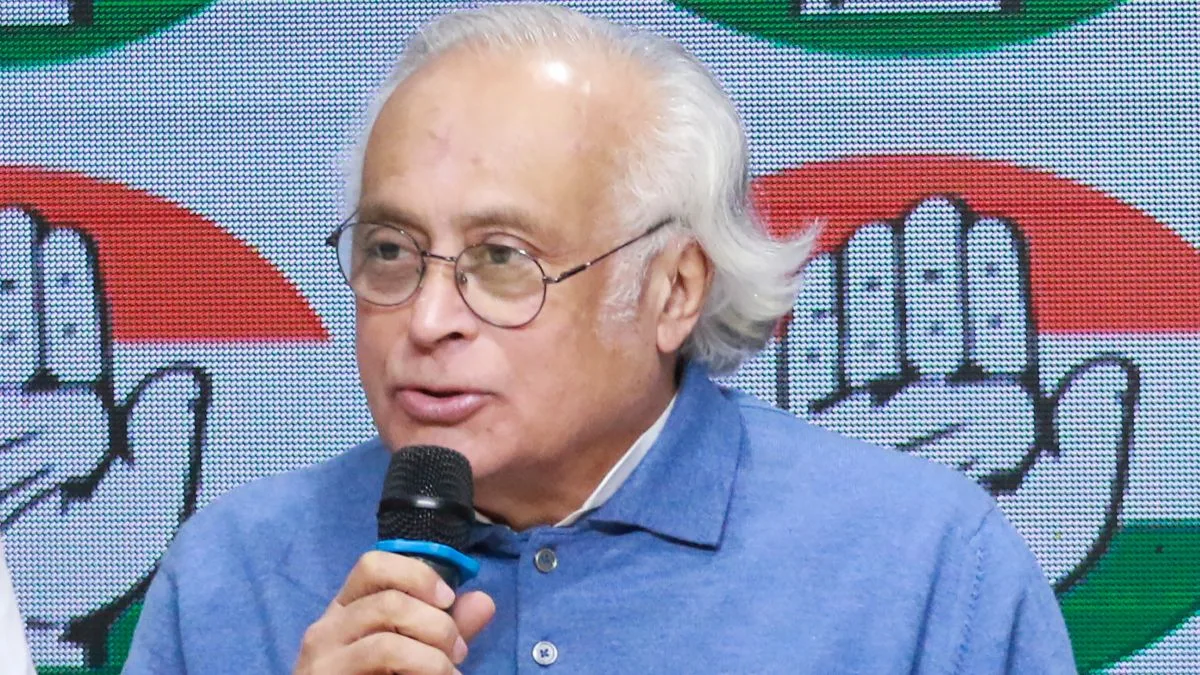
Jairam Ramesh Questions Release in VanDyke Terror Probe

Alleged American Mercenary, Ukrainian National Released From Tihar Jail

Delhi Court Grants Default Bail to US National Van Dyke
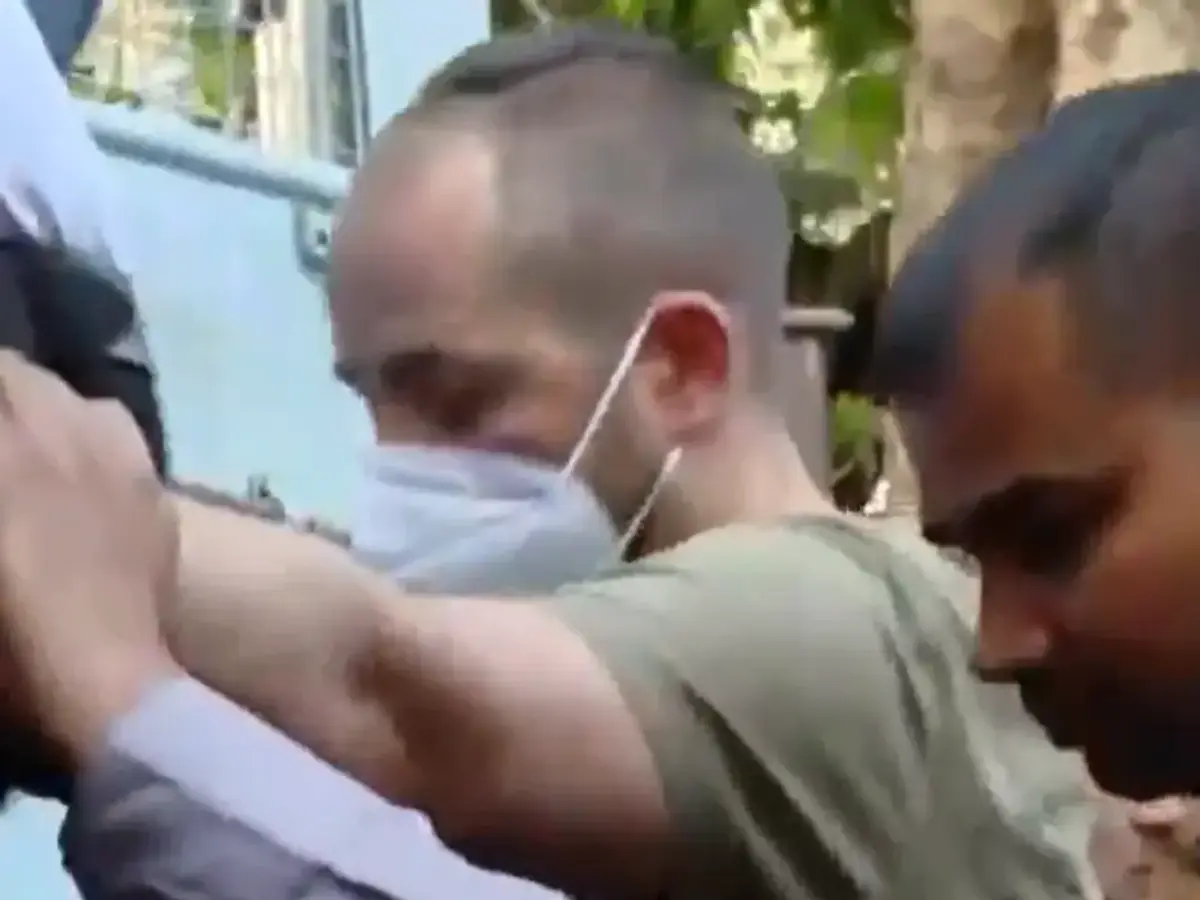
Matthew VanDyke Granted Bail as Myanmar Drone Probe Continues
Amitabh Bachchan’s Brief Political Career Began With Election Victory

Book Examines General Sundarji’s Reforms, Risks, and Legacy
Parliament Monsoon Session Disruptions Cost Rs 175 Crore