11 hrs ago
Book Examines General Sundarji’s Reforms, Risks, and Legacy

General Krishnaswamy Sundarji was an important Indian Army leader.
He wanted the army to use faster vehicles, better technology, and new ways of fighting.
He supported tanks, helicopters, communications systems, and mobile troops.
His decisions helped India respond strongly during a border standoff with China.
A huge military exercise called Operation Brasstacks worried Pakistan because it looked like preparation for a possible attack.
Sundarji also took part in difficult operations in the Golden Temple and Sri Lanka.
Those missions showed that military strength cannot solve problems when political goals and information are unclear.
Probal Dasgupta’s book presents Sundarji as both a visionary reformer and a commander whose confidence sometimes created serious risks.

Probal Dasgupta’s biography portrays General Krishnaswamy Sundarji as a brilliant but controversial military modernizer.
Sundarji promoted mechanized warfare, T-72 tanks, BMP vehicles, the Mechanised Infantry Regiment, and RAPID formations.
During the 1986 Sumdorong Chu standoff, Operation Falcon moved Indian troops to high ground overlooking Chinese positions.
Operation Brasstacks tested India’s mechanized doctrine but heightened Pakistani fears and brought the two countries close to conflict.
The book also examines Sundarji’s roles in Operation Blue Star, the Sri Lankan intervention, and the Bofors controversy.
- Who
- Historian and veteran Probal Dasgupta writes about General Krishnaswamy Sundarji, a former Indian Army Chief.
- What
- The article reviews General Brasstacks: The Sundarji Story, a biography of Sundarji’s career, reforms, operations, and controversies.
- Where
- The book covers events involving India’s borders, the Rajasthan desert, the Golden Temple complex, and Sri Lanka.
- When
- The article was published on September 6, 2026; Sundarji served as Chief of Army Staff for 820 days between 1986 and 1988.
- Why
- Dasgupta examines how Sundarji modernized the Indian Army while also highlighting the risks and consequences of his operational decisions.
Modernization and Strategic Boldness
Operational Risk and Political Cost
Military modernization
Modernization and Strategic Boldness
Sundarji’s supporters can view his advocacy of mechanized forces, T-72 tanks, electronic warfare, and improved mobility as necessary efforts to prepare India for modern conflict.
Operational Risk and Political Cost
Critics can argue that his emphasis on technology and fast-moving military solutions encouraged overconfidence and did not always fit complex political or irregular conflicts.
Operation Brasstacks
Modernization and Strategic Boldness
The exercise gave India a large-scale test of its mechanized manoeuvre doctrine and demonstrated military preparedness.
Operational Risk and Political Cost
Pakistan viewed the mobilization as potentially offensive, triggering counter-mobilization and nuclear signalling that brought the two countries close to war.
Command decisions in internal and overseas conflicts
Modernization and Strategic Boldness
Sundarji’s actions in Operation Blue Star and the Sri Lankan intervention reflected attempts to apply military capabilities to urgent security challenges.
Operational Risk and Political Cost
The article emphasizes severe damage at the Golden Temple, communal trauma, and costly missteps in Sri Lanka, including the Jaffna University heliborne raid.
Key facts
- Book
- General Brasstacks: The Sundarji Story
- Author
- Probal Dasgupta
- Publisher
- Penguin Viking
- Length
- 336 pages
- Price
- ₹999
- Army chief tenure
- 820 days between 1986 and 1988
- Major exercise
- Operation Brasstacks, conducted in 1986–1987
Sources
Related news
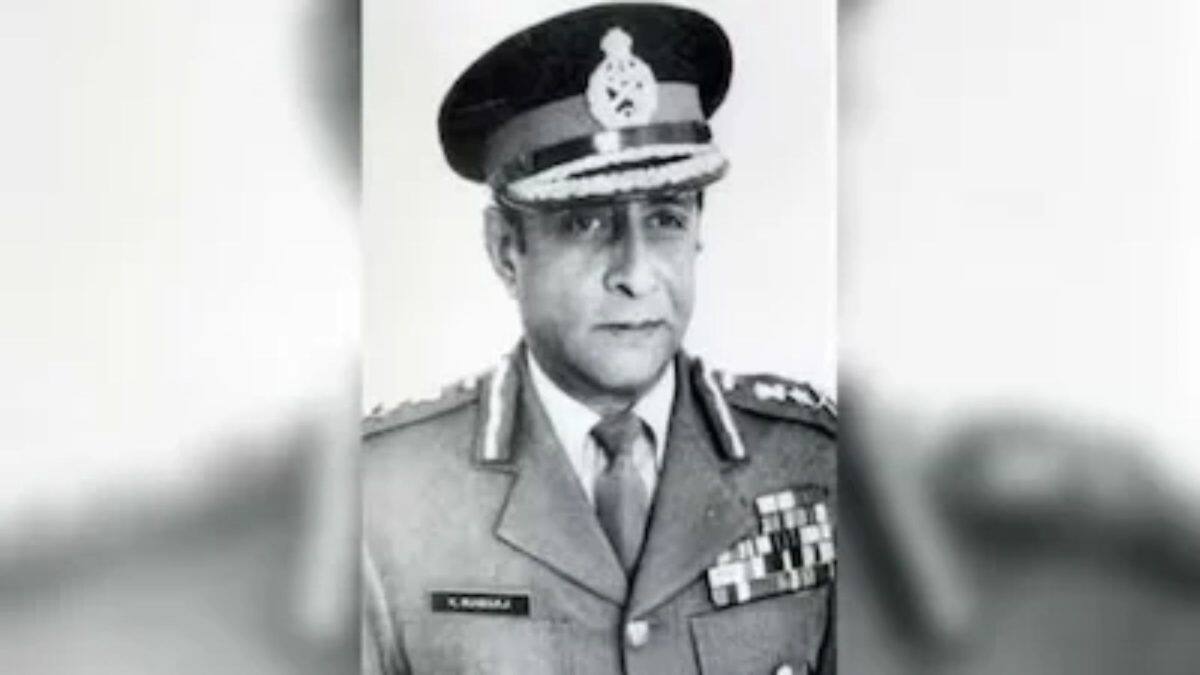
General Sundarji’s Strategic Legacy From Brasstacks to Brassboard

Retired Air Marshal Jeetendra Mishra Named Ram Mandir Trust CEO

Army Training Command Bids Farewell to Lt Gen Sharma

Dhanoa Reveals Kargil War Lessons, GPS Issues In Exclusive

Political Leadership Chose Not to Cross LoC, Ex-IAF Chief Says
India’s Post-Sindoor Defence Push Targets Networked Future Warfare
Parliament Monsoon Session Disruptions Cost Rs 175 Crore