0 months ago
Survey: Only 12% Would Pay UPI Fees Above Rs 3,000
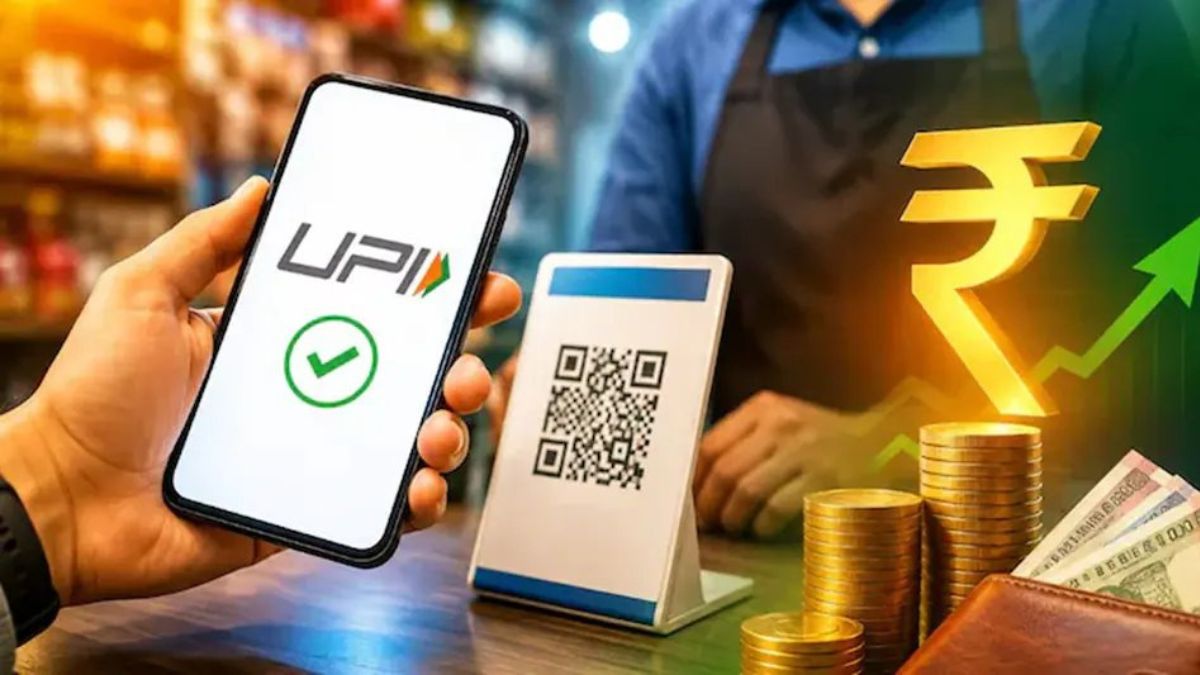
India has a digital payment system called UPI that lets people send and receive money with their phones, usually for free.
The government is thinking about changing a law so that payments above Rs 3,000 could start having a small fee, called MDR.
A group called LocalCircles asked Indian users what they thought.
The survey found that only 12 out of every 100 people would keep using UPI if they had to pay a fee.
That means most people would stop using UPI for big payments.
Right now, a rule protects users from paying any fee for digital payments.
The new law could allow banks and payment companies to charge users instead.
The head of India's central bank, Sanjay Malhotra, said costs have to be paid by someone, but he also said to wait and watch.
So nothing has changed yet, and people are waiting to see what happens.

Only 12% of Indian users would keep using UPI and pay a transaction fee if MDR is brought back on payments above Rs 3,000, according to a LocalCircles survey.
The possible revival of MDR stems from a proposed amendment to Section 10 (A) of the Payment and Settlement Systems Act, 2007.
Section 10 (A) currently shields consumers from paying any fee, while the RBI charges fees from payment service providers and banks.
Under the proposed change, banks and PSPs could shift the burden of MDR charges onto consumers.
RBI Governor Sanjay Malhotra urged caution, saying "costs have to be paid by someone" and that strengthening public payments infrastructure remains the focus.
- Who
- Indian UPI users, the RBI, RBI Governor Sanjay Malhotra, and Parliament, which is considering the proposed amendment.
- What
- A LocalCircles survey found only 12% of users would keep using UPI and pay a fee if MDR is restored on transactions above Rs 3,000.
- Where
- India.
- When
- Not specified in the article.
- Why
- A proposed amendment to Section 10 (A) of the Payment and Settlement Systems Act, 2007 could revive MDR charges, which banks and PSPs may pass on to consumers.
Consumers / Payment Users
Government & RBI
Reintroducing MDR on UPI
Consumers / Payment Users
Only 12% of users surveyed would keep using UPI and pay a transaction fee, so MDR on payments above Rs 3,000 could drive users away.
Government & RBI
RBI Governor Sanjay Malhotra urged caution, noting that costs have to be paid by someone and that strengthening public infrastructure remains the focus.
Who should pay for UPI infrastructure costs
Consumers / Payment Users
Consumers are currently shielded from fees by Section 10 (A), and most users are unwilling to take on transaction costs.
Government & RBI
Banks and payment service providers may transfer MDR charges to consumers, and the RBI says the costs of running the public infrastructure must be met by someone.
Key facts
- Survey conducted by
- LocalCircles
- Users willing to pay UPI fee
- 12%
- Proposed fee threshold
- Transactions above Rs 3,000
- Type of fee
- Merchant Discount Rate (MDR)
- Law involved
- Payment and Settlement Systems Act, 2007 (Section 10 (A) amendment)
- Regulator
- Reserve Bank of India (RBI)
- RBI Governor
- Sanjay Malhotra
- Current consumer charge
- None; Section 10 (A) shields consumers from paying any fee
Quotes
RBI chief Sanjay Malhotra
Chief Executive Officer of the Reserve Bank of India
“"Right now the government is bringing the amendment. Costs have to be paid by someone. We all want this public infrastructure to strengthen and become more efficient. That continues to be our focus. Let us wait and watch for further developments."”
 financialexpress.com
Sources
Related news

UPI remains free for users, some merchants face nominal charges

UPI Remains Free for Users, Nominal Merchant Fee Possible: Govt

RBI Governor Says UPI Merchant Discount Rate Talks Are Premature
India Moves to Allow Merchant Fees on UPI Transactions

UPI MDR Above ₹2,000 May Begin Within Two Weeks

RBI Governor Meets US Fed Chief Kevin Warsh at G20
RBI Forex Swap Draws $136.37 Billion, Led by FCNR(B)

Indian Bond Yields Near 7% as Rate Hike Bets Rise

India Hosts BRICS 2026 Amid US-Iran War Tensions

Finance Ministry Flags Global Yield and Inflation Risks for India