2 weeks ago
Samsung Raises Chipmaking Prices as AI Demand Tightens Capacity
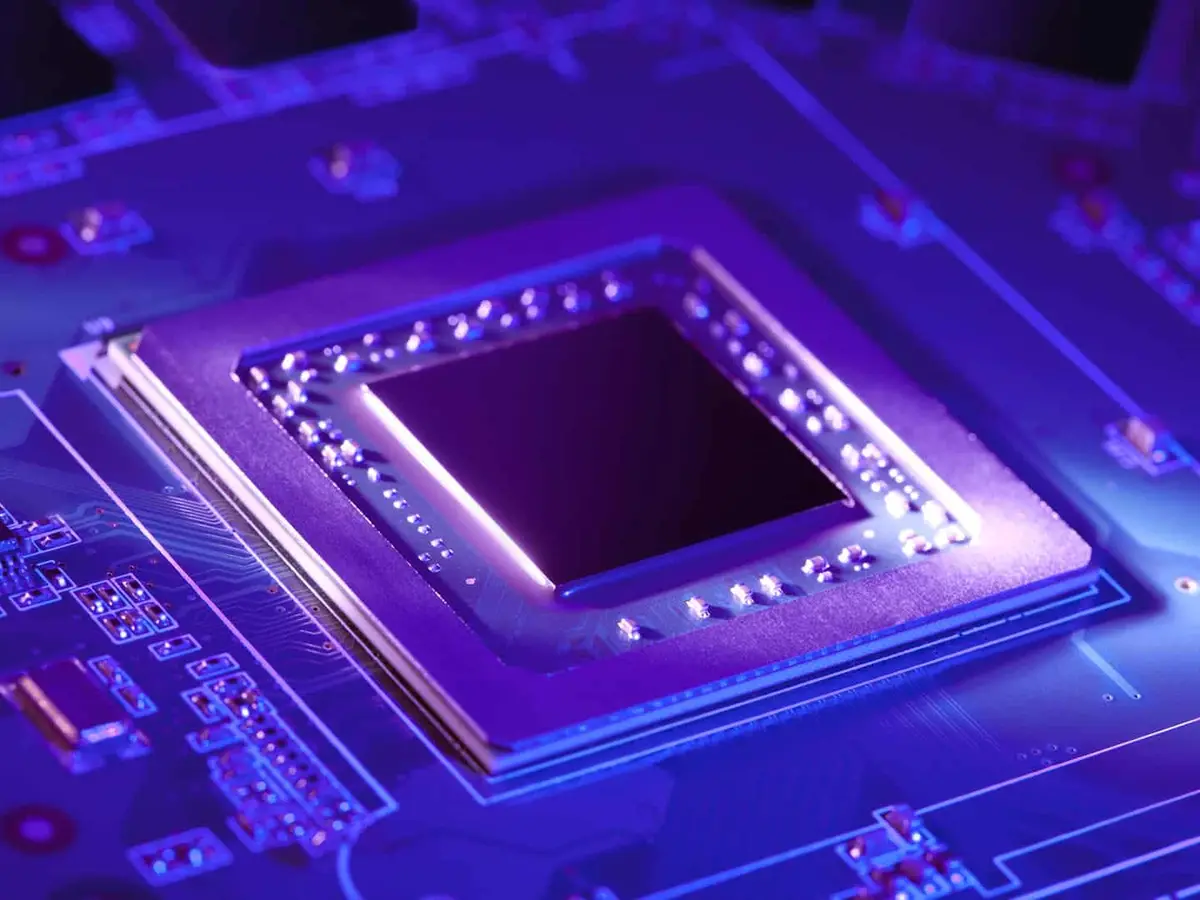
Samsung makes chips for other companies in a business called a foundry.
It has raised prices for some of its newer chipmaking services by as much as 15%.
Companies need many advanced chips to build artificial-intelligence systems.
However, there is only limited space in the factories that can make these chips.
TSMC, the biggest chip foundry, has much of its advanced capacity booked.
This gives Samsung more power to charge higher prices.
Chinese customers are reportedly accepting some of the biggest increases because restrictions make advanced chipmaking equipment harder to obtain in China.
Samsung’s busy factories and higher prices could help its foundry business become profitable again.

Samsung raised prices for some 4-nanometre, 5-nanometre and 8-nanometre foundry services by up to 15% for new orders.
4-nanometre prices rose 10% to 15% for customers in China and the United States, and 5% to 10% for customers in Taiwan.
AI-chip demand has filled much of TSMC’s leading-edge capacity, giving Samsung more leverage and attracting customers seeking alternatives.
Samsung’s SF4 production line in Pyeongtaek, South Korea, has reportedly operated at full capacity since late 2025.
Samsung held 7% of global foundry revenue in the first quarter of 2026, while TSMC held roughly 70% to 73%; analysts said higher prices could help Samsung return to profit as early as next year.
- Who
- Samsung Electronics, its foundry customers, Taiwan Semiconductor Manufacturing Company, and companies seeking chips for artificial-intelligence systems.
- What
- Samsung raised prices for some advanced contract chipmaking services by up to 15% for new orders.
- Where
- The affected customers include companies in China, the United States and Taiwan; Samsung’s SF4 line is at its Pyeongtaek plant in South Korea.
- When
- The price increases were made in July; the market-share figures cited cover the first quarter of 2026, and Samsung’s SF4 line has reportedly been full since late 2025.
- Why
- Demand for AI chips has tightened advanced manufacturing capacity, while much of TSMC’s leading-edge capacity is booked.
Samsung’s Pricing Opportunity
Customer and Competitive Pressures
Reason for higher prices
Samsung’s Pricing Opportunity
Strong AI-chip demand and limited advanced capacity give Samsung more leverage, particularly as TSMC’s leading-edge production is heavily booked.
Customer and Competitive Pressures
Customers face higher manufacturing costs and may compare Samsung with alternatives such as Intel and other foundries.
Capacity allocation
Samsung’s Pricing Opportunity
Samsung can use stronger demand from U.S. and Chinese customers, along with demand for base dies used in its own high-bandwidth memory products, to improve utilization and revenue.
Customer and Competitive Pressures
Samsung reportedly cannot meet all orders because it must serve U.S. customers and reserve capacity for its own semiconductor production.
Business outlook
Samsung’s Pricing Opportunity
Higher prices, fuller factories, improved production yields and new customer deals could help Samsung’s loss-making foundry unit return to profit sooner than expected.
Customer and Competitive Pressures
Samsung remains far behind TSMC in foundry market share and has struggled for years to close the competitive gap.
Key facts
- Largest increase
- Up to 15% for some advanced contract chipmaking services.
- 4-nanometre pricing
- SF4 prices rose 10% to 15% for customers in China and the United States, and 5% to 10% for customers in Taiwan.
- Other process pricing
- Prices for 5-nanometre SF5 wafers rose 10% to 15%, while 8-nanometre prices rose nearly 10%.
- Samsung foundry share
- Samsung accounted for 7% of global foundry revenue in the first quarter of 2026, according to Counterpoint.
- TSMC foundry share
- TSMC accounted for more than 70% of global foundry revenue; one report cited Counterpoint’s estimate of about 73%.
- Capacity status
- Samsung’s SF4 line at Pyeongtaek has reportedly operated at full capacity since late 2025.
- Profit outlook
- An analyst said Samsung’s foundry business could potentially become profitable as early as next year.
Quotes
Lee Min‑hee
Seoul‑based analyst at BNK Investment & Securities
“As TSMC faces tight capacity and raises prices, customers are shifting to rivals such as Samsung and Intel, prompting Samsung to raise its prices as well,”
 CNBC TV 18
“If Samsung raises prices from here, its foundry business could potentially become profitable as early as next year, earlier than previously expected,”
CNBC TV 18
Sources
Related news
SMIC Raises Chip Prices as AI Demand Boosts Record Revenue
Nvidia Raises AI Server Prices Over 15% Amid Memory Costs
Nvidia Customers Face Reported AI Server Price Hikes Above 15%

Samsung May Raise Indian Foldable Prices Amid Memory Costs
Samsung signs $200 billion Broadcom chip pact targeting TSMC
Samsung May Raise India Smartphone Prices as Cost Pressures Grow

Samsung Galaxy S27 Ultra Expected 2027: Price, Camera, Specs

India's New Smartphone Scheme Faces Consumer Product Test

TCL sues Samsung over alleged false Mini LED advertising

Apple's First Foldable iPhone Ultra May Challenge Samsung

Apple iPhone Ultra Rumors Point Toward First Foldable