

3 weeks ago
Samsung signs $200 billion Broadcom chip pact targeting TSMC
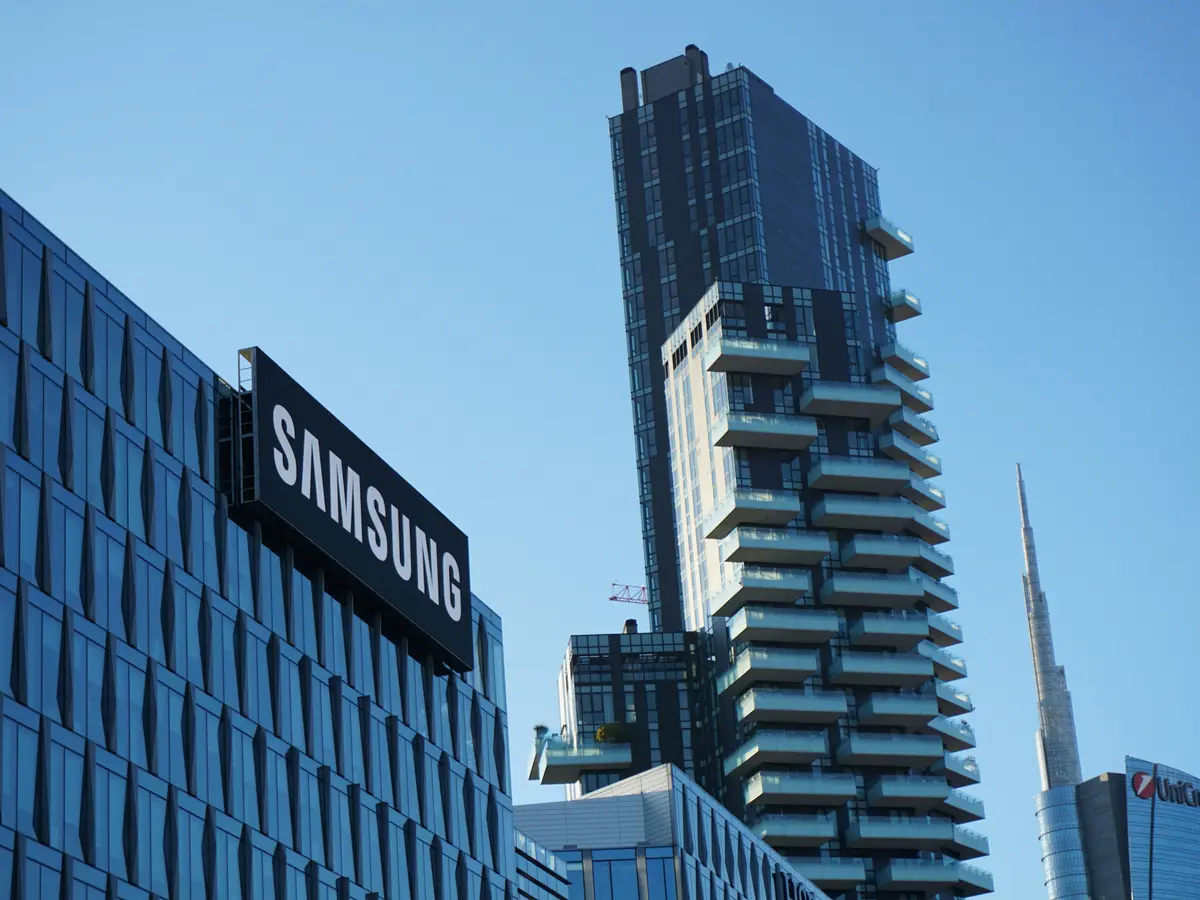
Samsung and Broadcom made a big promise to work together on computer chips.
They say the deal could be worth $200 billion over five years.
These chips help power artificial intelligence, or AI, which is how computers learn and think.
Samsung will build the chips, and the two companies will design special memory to go with them.
The announcement happened on July 25 in San Francisco.
The deal is not a signed contract yet; it is more like a plan of intent.
So the $200 billion is the business they hope to do, not money they must spend.
TSMC is another company that makes chips, and it has been the leader in this field.
This pact might give Samsung a big customer and make the chip market more competitive.
Some investors worry that too much money is going into AI, and stock markets lost a lot of value soon after.

Samsung Electronics and Broadcom announced a five-year pact valued at up to $200 billion covering chip manufacturing, high-bandwidth memory, and packaging.
The agreement, unveiled July 25 at an AI summit in San Francisco, is a memorandum of understanding rather than a binding contract.
Samsung will manufacture Broadcom's next-generation communications chips on sub-2-nanometre process technology and co-develop HBM4E and HBM5 memory.
The deal is seen as the most serious challenge yet to TSMC's dominance in custom AI chip manufacturing.
Days later, more than $1.3 trillion was erased from semiconductor market values, including about $173 billion from Samsung, as investors questioned AI returns.
- Who
- Samsung Electronics and Broadcom, with the announcement made at an AI summit attended by South Korean government representatives and industry executives.
- What
- A five-year memorandum of understanding valued at up to $200 billion covering sub-2-nanometre chip manufacturing, HBM4E and HBM5 memory development, and advanced 2.3D/2.5D packaging.
- Where
- San Francisco, at an AI summit.
- When
- Announced July 25; the five-year partnership runs through 2030.
- Why
- To mount the most serious challenge to TSMC's custom AI chip dominance, secure a marquee customer for Samsung's sub-2nm process, and give Broadcom supply security amid a forecast AI chip shortage into 2028.
Skeptical View
Optimistic View
The $200 billion figure
Skeptical View
The agreement is only a memorandum of understanding, making the $200 billion a statement of intent rather than guaranteed revenue Broadcom is committed to spend.
Optimistic View
MOUs at this scale are common in semiconductor manufacturing and frequently convert into real volume, so the pact represents a serious, credible commitment.
AI infrastructure spending
Skeptical View
Investors erased more than $1.3 trillion from semiconductor market values, questioning whether the enormous sums flowing into AI infrastructure will produce adequate returns.
Optimistic View
Demand is not weakening — supply remains tight enough that Samsung forecasts an AI chip shortage persisting into 2028, justifying continued investment.
Key facts
- Value
- Up to $200 billion (intended business, not committed spend)
- Parties
- Samsung Electronics and Broadcom
- Deal type
- Five-year memorandum of understanding
- Announced
- July 25, AI summit, San Francisco
- Scope
- Sub-2nm chips, HBM4E/HBM5 memory, 2.3D/2.5D packaging
- Memory capacity
- Up to 70% of Samsung's capacity locked in long-term agreements
- Market impact
- Over $1.3 trillion erased from semiconductor values; Samsung lost about $173 billion
- HBM market leader
- SK Hynix leads high-bandwidth memory, with Samsung working to close the gap
Quotes
Samsung Electronics executive
Senior executive at Samsung Electronics
“"By collaborating with Samsung, we are ensuring the availability of advanced manufacturing for our next‑generation AI accelerators."”
 wionews.com
“"This agreement marks a significant step for Samsung in the AI chip space, positioning us to compete directly with TSMC."”
wionews.com
Sources
Related news
Broadcom Pursues Up to $100 Billion AI Debt Financing
Samsung Raises Chipmaking Prices as AI Demand Tightens Capacity
SK Hynix bets hundreds of billions on AI memory factories

Marvell Shares Jump as Google Expands Custom AI Chip Partnership

Anthropic builds own chips amid $40 billion xAI compute deal
Chip Stocks Lose $1.3 Trillion While AI Demand Remains Strong

AI Week: Chip Breakthroughs, Brain Surgery and Quantum Campus
South Korean Investors Shift $7 Billion Into U.S. Stocks

Sensex, Nifty Face Cautious Monday Outlook Amid Global Cues
Mock-Trading Rules Cool South Korea’s Leveraged Chip ETF Frenzy

Netlist Stock Surges 650% as AI Demand Boosts Memory Business
