3 weeks ago
The forgotten story of Austria's short-lived colonies in India
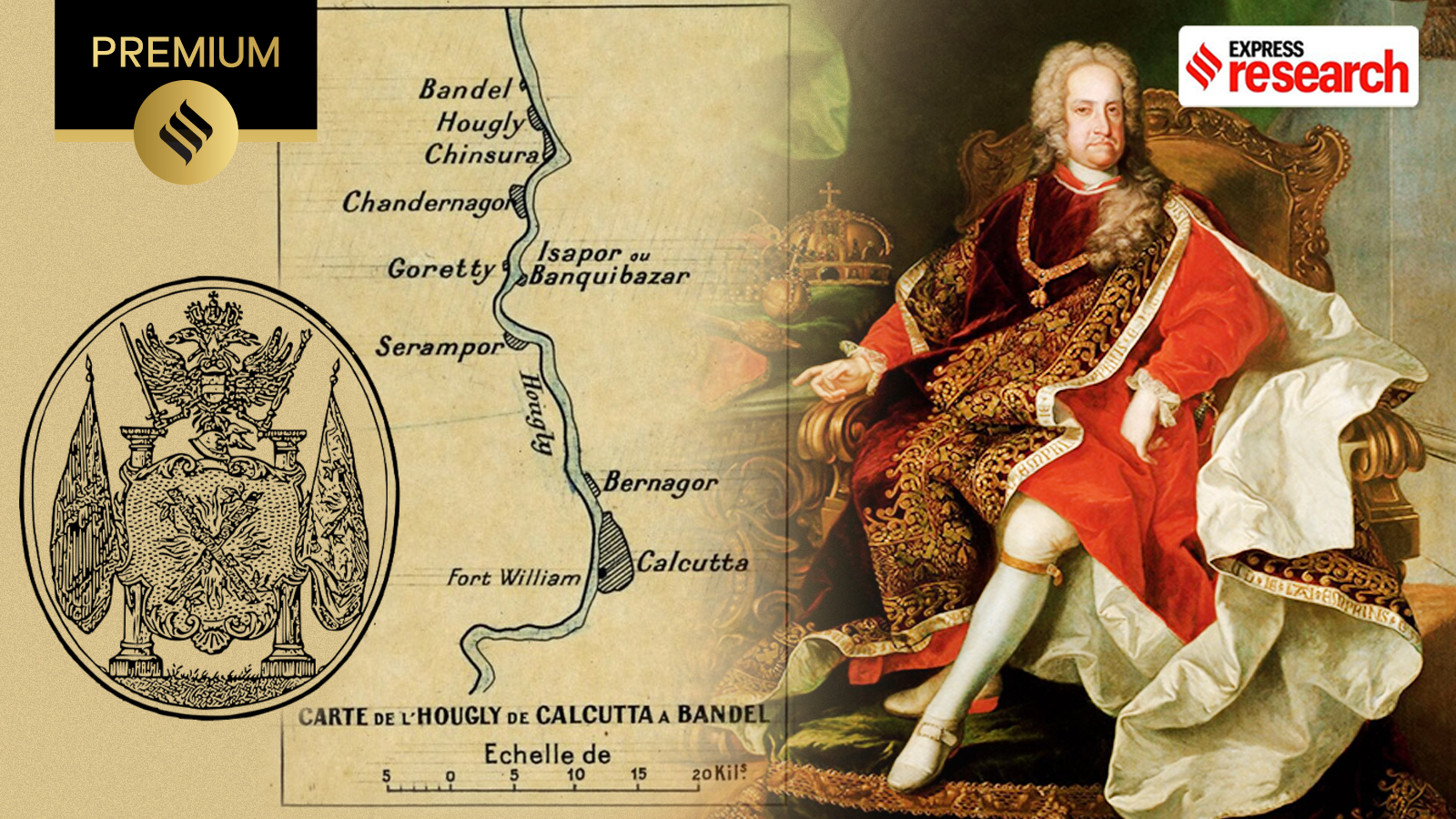
Long ago, Austria wanted to trade with India for spices, silk and other valuable treasures.
Austria did not have a big port, but after gaining the Belgian city of Ostend it started a trading company.
Emperor Charles VI gave the company his official permission in the year 1722.
The company built small trading towns called settlements at Covelong and Banquibazar in India.
France helped the company get land from the Nawab of Bengal.
Britain and Holland, however, did not want more rivals and worked against Austria.
Austria's little group of 14 soldiers at Banquibazar had to surrender when it was attacked in 1733.
Later, a new Austrian company came back and stayed until the year 1794.
Today, the old forts still exist, but very few people remember that Austria once had colonies in India.

The Austrian Empire's Ostend Company, chartered by Emperor Charles VI in December 1722, established trading settlements at Covelong and Banquibazar in India.
France helped the Company secure land from Nawab Murshid Quli Khan in 1723, while the English and Dutch strongly opposed Austria's entry into Indian Ocean trade.
Emperor Charles VI abolished the Company in 1731 under the Treaty of Vienna in exchange for recognition of Maria Theresa as his heir.
Austrian outposts were attacked in 1733 and September 1744; the 14-soldier garrison was overwhelmed and the Ostenders were later completely expelled.
From 1775, William Bolts' Imperial Asiatic Company of Trieste and Antwerp revived the colony, holding Bankibazar until 1794 when the Charter Act of 1793 renewed Britain's trading monopoly.
- Who
- The Ostend Company (General Imperial India Company), chartered by Emperor Charles VI, later revived by merchant William Bolts.
- What
- Austria briefly operated colonial trading settlements in India at Covelong in Tamil Nadu and Banquibazar in West Bengal.
- Where
- Covelong (Kovalam), Tamil Nadu, and Banquibazar, now near Barrackpore, West Bengal, on the eastern bank of the Hooghly.
- When
- From the early 1720s, with the company chartered in December 1722, until 1794, including gaps after the 1731 abolition.
- Why
- Austria sought to enter the lucrative Indian Ocean trade after gaining the Belgian port of Ostend, competing with British, Dutch and French traders.
Key facts
- Company name
- Ostend Company (General Imperial India Company)
- Chartered
- December 1722
- Chartering monarch
- Emperor Charles VI (Karl VI)
- Settlements
- Covelong (Kovalam) and Banquibazar (near Barrackpore)
- First formal ship at Banquibazar
- 1724
- Abolished
- 1731 under the Treaty of Vienna
- Revived company
- Imperial Asiatic Company of Trieste and Antwerp (1775), led by William Bolts
- Austrian presence ended
- 1794
Quotes
Saugata Bhaduri
academic historian specializing in colonial trade
“Both the colonies, in terms of their exact locations, still exist. But their connection to the Austrian East India Company is relatively forgotten because the company itself survived for only a few years”
 indianexpress.com
“About 30-40 kilometres north of Calcutta, the Austrians set up their first colony in the early 1720s”
indianexpress.com
Sources
Related news

Bengal’s Lost Commercial Heritage Revisited Through Historical Fiction

Denmark’s Indian Empire Helped Shape the Story of L&T
Battle of Colachel ends Dutch colonial ambitions in India

How Charnock’s Riverbank Decision Shaped Kolkata’s Modern Identity

From Baikunthapur to Yorktown: North Bengal's historic link and revival

History and Culture Quiz Tests Five UPSC Topics

Shami Shines as East Zone Reaches Duleep Trophy Final

Bengal Reports Over 4,000 Dengue Cases, Down 50% This Year

Bengal Rolls Out QR System To Monitor Waste Segregation

LPG e-KYC Deadline Ends as 12 Lakh Users Remain Pending

Five Taal Recipes Bring Bengal’s Monsoon Fruit to Janmashtami