

2 hrs ago
FLY91 Targets Underserved Airports in Expansion to 50 Cities
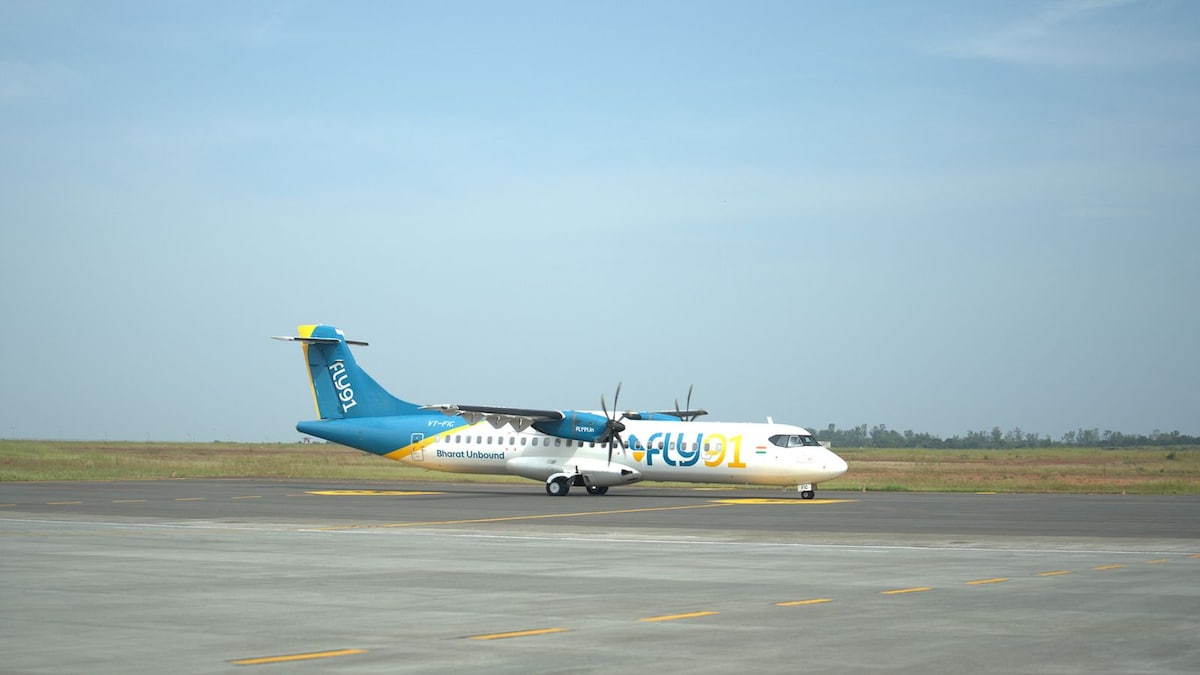
FLY91 is an airline that wants to connect more cities in India.
It is especially interested in airports that do not have many flights.
The airline hopes to serve 50 cities from six operating bases.
It plans to start flying to Tirupati next week.
FLY91 has ordered 40 new aircraft for its growth.
The first aircraft from this order is expected in the second half of 2027.
The airline also wants to hire retired military pilots and people from local communities.
This hiring strategy is meant to help FLY91 understand and serve the cities where it operates.

FLY91 is targeting 60-70 of India’s 164 airports that lack meaningful air connectivity.
The regional airline plans to operate from six bases and connect 50 cities, including several large underserved markets.
FLY91 is scheduled to begin service to Tirupati next week, making it the airline’s 13th destination.
The airline has ordered 40 ATR 72-600 aircraft, with deliveries expected from the second half of 2027 through 2032.
FLY91 is hiring retired defence personnel and local community members as it expands into smaller cities.
- Who
- Regional airline FLY91, led by Founder, CEO and Managing Director Manoj Chacko.
- What
- FLY91 is expanding its regional network, targeting 60-70 underserved airports and planning to connect 50 cities.
- Where
- India, with current bases in Goa and Hyderabad and planned operations across smaller and larger cities.
- When
- Tirupati service is scheduled to begin next week; aircraft deliveries are expected from the second half of 2027 through 2032.
- Why
- FLY91 sees potential demand in cities with high-spending populations but inadequate air connectivity.
Key facts
- Airports targeted
- 60-70 of India’s 164 airports
- Expansion goal
- Six bases connecting 50 cities
- Current bases
- Goa and Hyderabad
- Next destination
- Tirupati, the planned 13th destination
- Aircraft order
- 40 ATR 72-600 aircraft
- Delivery schedule
- First aircraft expected in the second half of 2027; the 40th by 2032
- Current workforce support
- Approximately 550 families
Sources
Related news
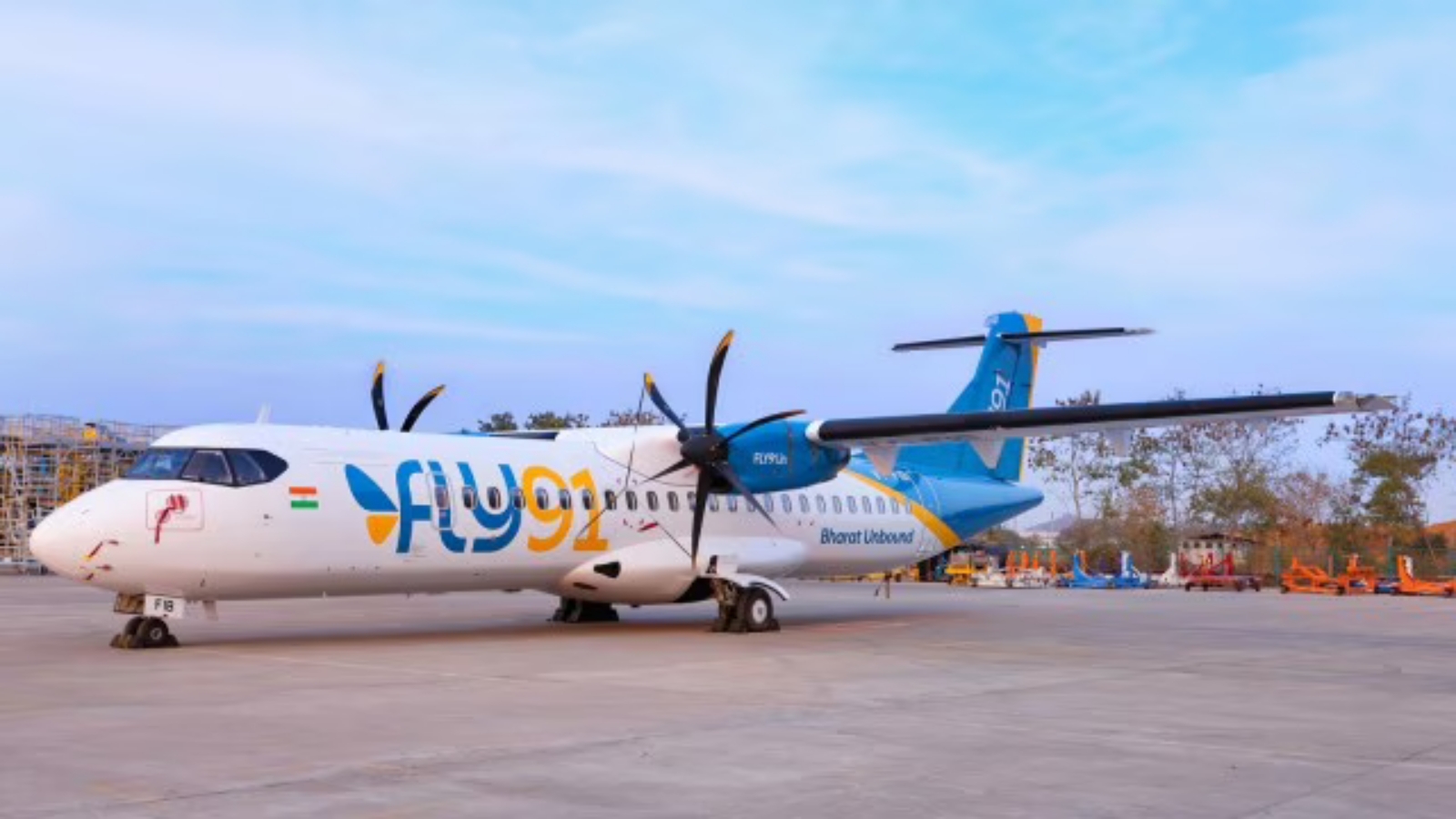
FLY91 Orders 40 ATR Aircraft to Expand India’s Regional Network

India's Aviation Minister Urges Faster Aircraft Deliveries Amid Regional Demand
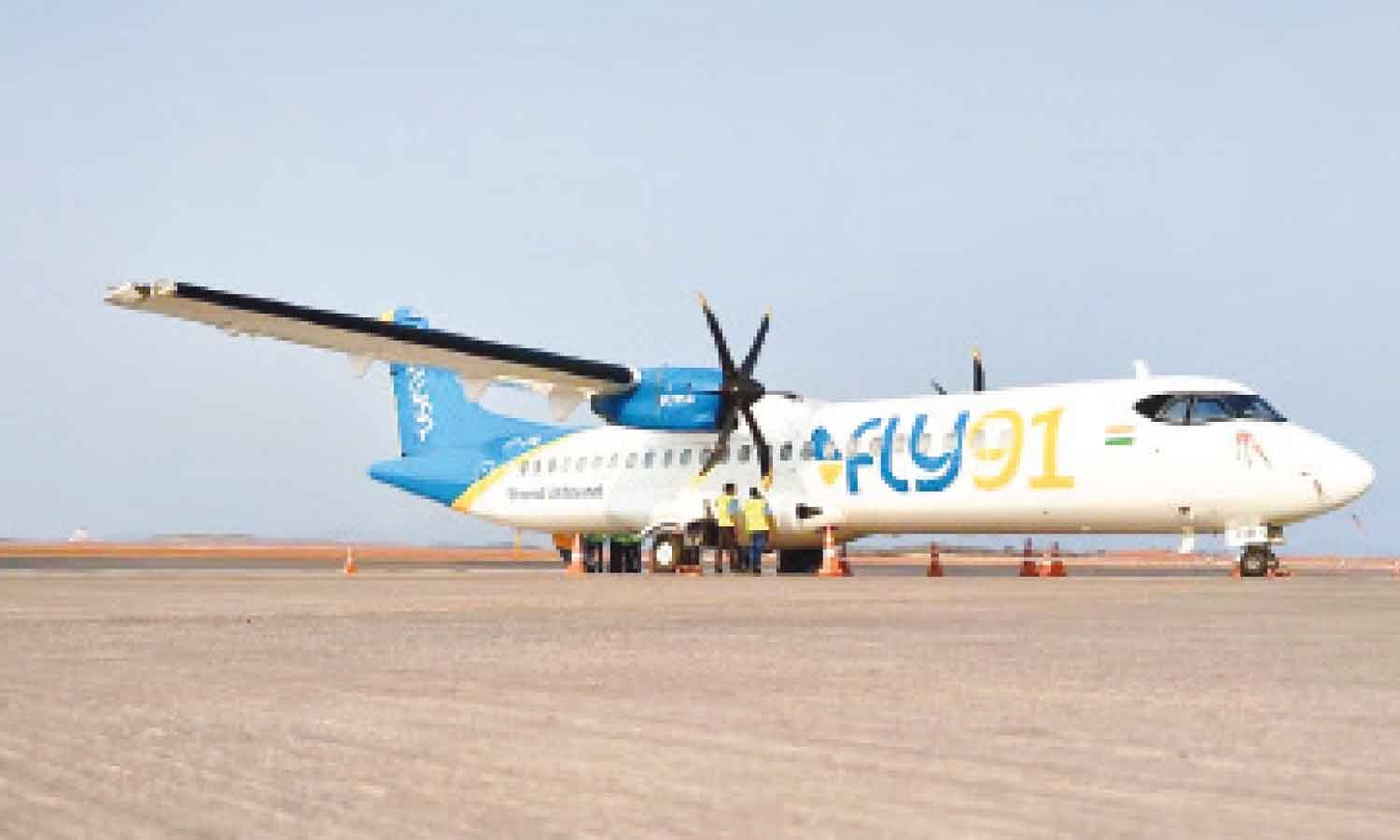
FLY91 Orders 40 ATR Aircraft in Nearly $1 Billion Deal
India Plans 100 New Airports Under UDAN Expansion

Government pushes 'Train in India, Fly in India' aircraft plan

Janmashtami Celebrations Draw Devotees Across Tirupati, Chittoor Districts

TTD Deputy EO Remanded Over ₹2.91 Crore Excess Assets
South Central Railway Revises Timings for Eight Express Trains

Tirupati Prepares for Krishnashtami Celebrations and Devotee Rush
