2 weeks ago
Delhi High Court fines litigant Rs 25,000 for bias allegations
A man in India wanted his court case moved to a different courtroom because he felt the judge might not be fair to him.
He said the judge said some things during the hearing that made him worried.
The big court, called the Delhi High Court, looked at his request.
The judges said that judges and lawyers talk during hearings, and those talks do not mean a judge is unfair.
They said you need strong proof before saying a judge is biased.
The man did not have that kind of proof.
The court said his request was an abuse of the court's process.
So the court told the man to pay a fine of Rs 25,000.
He must give this money to the lawyers' association in Delhi within four weeks.
His case will stay in the same court.

The Delhi High Court fined litigant Mohammad Ahmad Rs 25,000 for alleging bias against a trial court judge based on oral observations during a hearing.
Ahmad had sought transfer of his commercial suit from a Delhi trial court to a commercial court, citing an apprehension of unfair adjudication.
Justice Harish Vaidyanathan Shankar said allegations against a judicial officer cannot be made lightly merely on the basis of oral observations.
The court found the plea was filed without sufficient material and amounted to an abuse of the process of court.
The fine must be deposited with the Delhi High Court Bar Association within four weeks, with proof placed on record within one week after.
- Who
- Mohammad Ahmad, the litigant, and Justice Harish Vaidyanathan Shankar of the Delhi High Court
- What
- The Delhi High Court dismissed a transfer petition and imposed a Rs 25,000 fine on Ahmad for alleging trial court bias without sufficient material.
- Where
- Delhi High Court, Delhi, India
- When
- The order was delivered on August 10.
- Why
- The court held that allegations against a judicial officer cannot be made lightly based only on oral observations during a hearing and that the plea amounted to an abuse of the process of court.
Litigant's apprehension of unfair adjudication
Court's requirement of sufficient material
Grounds for transferring the case
Litigant's apprehension of unfair adjudication
Ahmad's counsel argued the petitioner had a genuine and reasonable apprehension of not securing a fair trial, that the apprehension was not fanciful or imaginary, and that the trial court had allegedly extended undue indulgence to the respondents' counsel.
Court's requirement of sufficient material
The High Court held that a case cannot be transferred merely because a litigant feels a judge may be biased based on oral remarks, and that such allegations must be supported by sufficient material.
Evidence of alleged bias
Litigant's apprehension of unfair adjudication
The litigant claimed oral observations during the hearing created an apprehension of unfair adjudication and that the judge was disinclined to hear an application.
Court's requirement of sufficient material
The court noted the petition did not point to any trial court adjudication that adversely determined the petitioner's substantive rights due to alleged bias or preferential treatment.
Key facts
- Fine amount
- Rs 25,000
- Fine recipient
- Delhi High Court Bar Association
- Deposit deadline
- Within four weeks of the order
- Petitioner
- Mohammad Ahmad
- Presiding judge
- Justice Harish Vaidyanathan Shankar
- Case type
- Commercial suit transfer petition
- Order date
- August 10
- Court finding
- Abuse of the process of court; no sufficient material for bias allegations
Quotes
Justice Harish Vaidyanathan Shankar
Justice of the Delhi High Court presiding over the case
“Allegations of such nature against a judicial officer cannot be lightly made merely on the basis of oral observations or statements made during the course of a hearing, and observations made during the course of such proceedings cannot, by themselves, be treated as a determination of the issues arising between the parties.”
 indianexpress.com
Sources
Related news

Justice Mehta Seeks Rajasthan High Court Leadership Change
Kerala High Court Rebukes Lawyers in Money Mule Case
CJI Says Rajasthan Acting Chief Justice Allegations Under Review

Rajasthan Bar Seeks Permanent Chief Justice Amid Judicial Dispute
Rajasthan High Court Judge Calls Misuse Allegations Baseless
Mehta Seeks Sharma’s Transfer, Full-Time Rajasthan Chief Justice
Scammer Poses as Delhi Judge to Target Lawyers
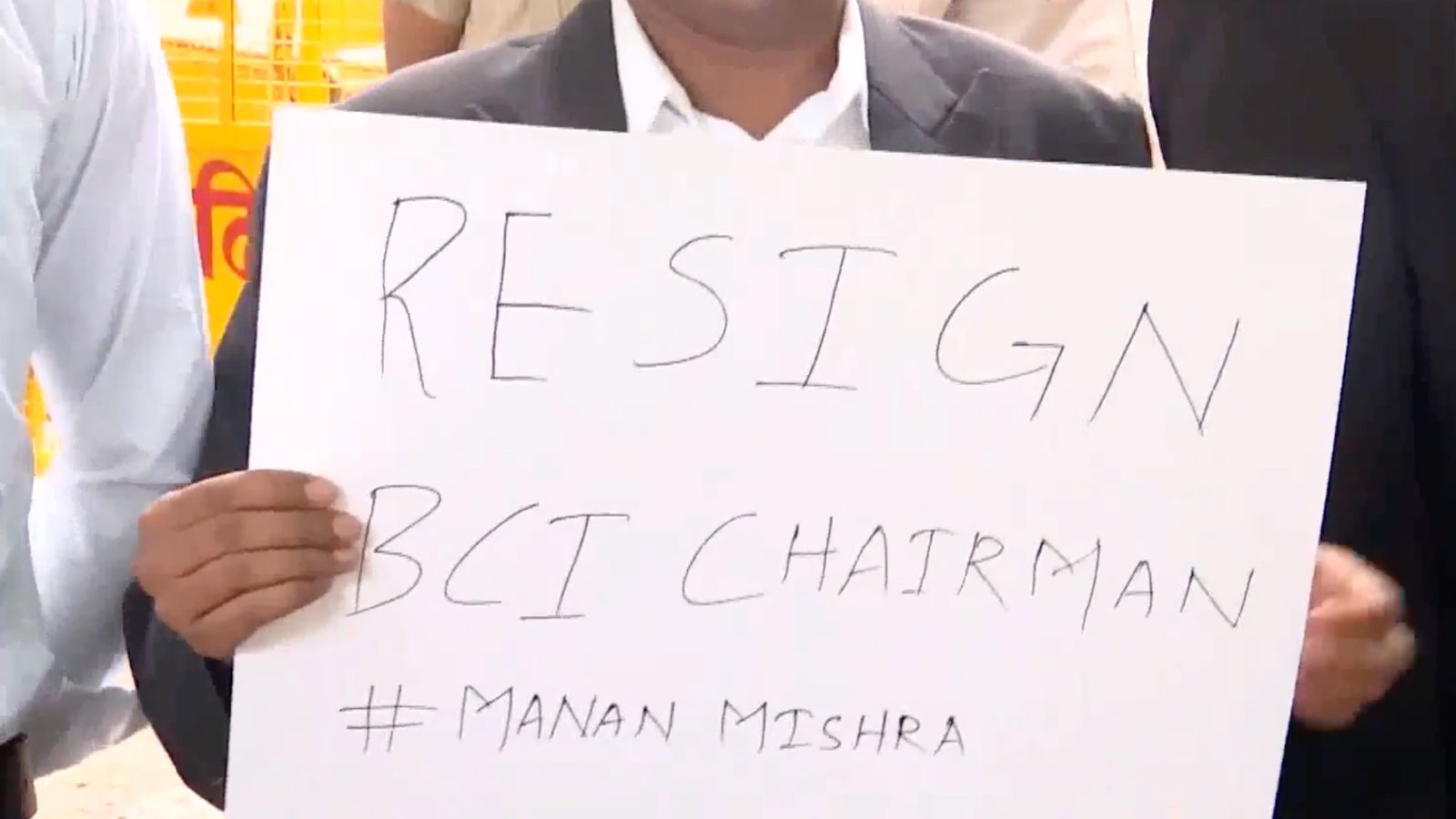
Advocates Demand Bar Council Chief’s Resignation After NALSAR Row
Lawyers Demand BCI Chief’s Resignation Over NALSAR Order

Bombay Bar Association Condemns BCI Chief’s Belated NALSAR Apology