1 week ago
Indian Sugar Prices Drop After Imports, Hoarding Curbs

Sugar prices in India rose for almost two months and then started falling.
The government allowed one million tonnes of raw sugar to be imported without duty.
It also ordered checks for hoarding and limited how much sugar large buyers could store.
These steps led mill prices to fall to about ₹55 per kilogram.
Retail and wholesale prices have not fallen as much yet.
The government says India has enough sugar and that the earlier rise was caused by speculation and mills raising prices.
Industry sources were concerned that production would be lower than first expected and that supplies could be tight before the festival season.
The government also says ethanol production was not the main reason for the price increase.

Maharashtra S-30 ex-mill sugar prices fell to ₹5,500–₹5,700 per quintal from a peak of ₹6,500.
Ex-mill prices nationally declined 18% to ₹55 per kilogram after imports and anti-hoarding measures, according to Food Secretary Sanjeev Chopra.
The government permitted duty-free imports of 1 million tonnes of raw sugar through October 31 and imposed a 15-day stock limit on bulk users.
Average retail sugar prices remained at ₹63.05 per kilogram, while wholesale prices stood at ₹58.29 per kilogram on August 24.
The government attributed the earlier rise to mills raising prices and speculation, while industry sources cited supply concerns and lower production estimates.
- Who
- The Government of India, sugar mills, traders, bulk users, consumers, Food Secretary Sanjeev Chopra and industry representatives are involved.
- What
- Indian ex-mill, wholesale and retail sugar prices declined after the government announced imports, stock limits and anti-hoarding inspections.
- Where
- Across India, with specific changes reported in Maharashtra, Pune and major cities including Chennai, Delhi, Mumbai, Kolkata and Hyderabad.
- When
- The decline began around August 21, 2026; further price updates were reported on August 24 and 25, 2026.
- Why
- The government took the measures to increase available supplies, curb hoarding and speculation, and restrain prices.
Government Position
Industry Concerns
Cause of the price rise
Government Position
Food Secretary Sanjeev Chopra said the increase was not based on market fundamentals and attributed it to mills raising prices, speculation and hoarding. The government denied that ethanol diversion caused the surge.
Industry Concerns
Industry sources said prices had risen more than 35% since June amid fears that supplies might not meet domestic demand until October, especially during the festival season.
Supply outlook
Government Position
The government said sugar stocks were ample despite production being estimated at 306 lakh tonnes, below the earlier 343-lakh-tonne estimate, because domestic demand was estimated at 280–285 lakh tonnes.
Industry Concerns
Industry sources highlighted the lower production estimate and the fact that 8 lakh tonnes had already been exported as reasons for concern about available supplies.
Effect of government controls
Government Position
The government and the National Federation of Cooperative Sugar Factories said imports, stock limits and nationwide inspections had arrested the price rise and that ex-mill prices could fall further.
Industry Concerns
Industry reports said the new stock limit pressured bulk users to sell excess inventories and made buyers reluctant to purchase, while the ex-mill decline had not yet fully reached wholesale and retail markets.
Key facts
- Ex-mill price
- The national ex-mill price declined 18% to ₹55 per kilogram from a reported peak of ₹67 per kilogram.
- Maharashtra S-30 price
- Prices fell to ₹5,500–₹5,700 per quintal from ₹6,500.
- Retail price
- The average all-India retail price was ₹63.05 per kilogram on August 24, down slightly from ₹63.12.
- Wholesale price
- The average all-India wholesale price was ₹58.29 per kilogram.
- Import measure
- The government permitted duty-free imports of 1 million tonnes of raw sugar through October 31; at least 4 lakh tonnes were reportedly in transit.
- Stock limit
- From September 1, bulk users buying more than 10 tonnes a month may hold only 15 days of their monthly demand.
- Production and demand
- Production estimates cited in the reports were about 306 lakh tonnes, compared with an earlier estimate of 343 lakh tonnes, while annual domestic demand was estimated at 280–285 lakh tonnes.
- Exports
- The government allowed 20 lakh tonnes for export, but shipments were stopped after 8 lakh tonnes had been exported.
Quotes
The Government of India
The central government, responding to claims about ethanol diversion
“The share of sugar diverted for ethanol has declined from around 12 per cent in 2022-23 to around 9 per cent in 2025-26. Moreover, nearly three-fourths of the ethanol produced in the country now comes from grains, particularly maize.”
 thehindubusinessline.com
“Ex-mill price of sugar, which were jacked up by mills, have started cooling down. They have declined to Rs 55 per kg and will further drop in the coming days”
 theprint.in
An industry source
An unnamed source from the sugar industry
“Ex-mill and tender prices (in Maharashtra) of sugar have declined by over 10 per cent since hitting a peak of ₹6,500 a quintal on Thursday (August 20). On Monday, the prices quoted were between ₹5,500 and ₹5,700 a quintal for S-30 grade”
thehindubusinessline.com
“There are no buyers in view of the falling prices and other measures taken by the Government.”
thehindubusinessline.com
Sources

Related news

Sugar Prices Rise Again as Festival Demand Tests Government Measures

Sugar Mill Prices Continue Falling as Retail Rates Rise

Sugar Prices Ease After India Approves Imports, Tightens Limits
Indian Sugar Prices Rise Again Despite Government Measures
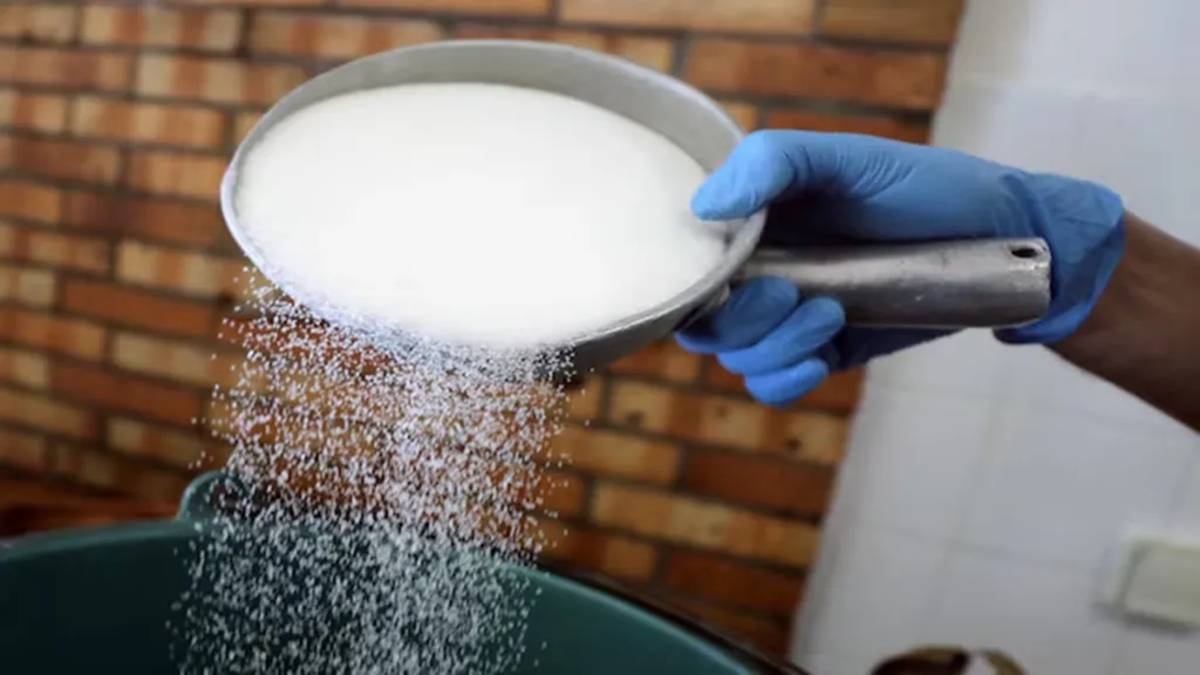
Sugar prices fall at mills, retail relief expected before festivals
India Allows Duty-Free Sugar Imports as Prices Surge
Sugar Industry Rejects Shortage Fears Ahead Of Festive Season

Centre Expands Rs 35 Onion Sales to 19 Cities

India Cuts Sugar Dealers’ Stock Limit Ahead of Festive Season
CBI Books FCI, NERAMAC Officials Over Subsidised Rice Diversion
Buffer Stock Release Sends Lasalgaon Onion Prices Lower