3 weeks ago
President Murmu Assents to Law Criminalising Insult to Vande Mataram

India has a special song called 'Vande Mataram' that was very important during the country's fight for freedom.
It is known as the national song, and India also has a national anthem called 'Jana Gana Mana'.
India's President, Droupadi Murmu, has signed a new law to protect this song.
The new law makes it a punishable offence to stop people from singing 'Vande Mataram' or to disturb them while they sing.
Anyone who breaks this rule could go to jail for up to three years or have to pay a fine.
Both houses of India's Parliament approved the law before the President signed it.
Now, 'Vande Mataram' will also be sung for the first time at the Red Fort during the Independence Day celebrations on August 15, 2026.
The government has also said schools should start each day with everyone singing the song together.
Some lawmakers, like the DMK, did not agree with the law, but the government says it is about respecting the national song.

President Droupadi Murmu gave assent to the Prevention of Insults to National Honour (Amendment) Bill, 2026, making intentional disruption or prevention of singing 'Vande Mataram' a punishable offence.
The new law grants 'Vande Mataram' the same legal protection and status as the national anthem 'Jana Gana Mana'.
Offences are punishable with up to three years' imprisonment, a fine or both, with a minimum of one year for second and subsequent convictions.
The Lok Sabha passed the Bill on July 30 by voice vote amid Opposition protests; the Rajya Sabha had cleared it a day earlier, and the DMK accused the government of advancing a 'Hindutva agenda'.
For the first time, 'Vande Mataram' will be sung from the ramparts of the Red Fort at the Independence Day function on August 15, 2026.
- Who
- President Droupadi Murmu; the Lok Sabha and Rajya Sabha; the Union Home Ministry; Opposition parties including the Dravida Munnetra Kazhagam
- What
- President Murmu gave assent to the Prevention of Insults to National Honour (Amendment) Bill, 2026, which criminalises intentional disruption or prevention of singing 'Vande Mataram' and grants it the same legal protection as the national anthem 'Jana Gana Mana'.
- Where
- India; 'Vande Mataram' will be sung for the first time from the ramparts of the Red Fort in New Delhi on Independence Day
- When
- Assent given on Tuesday (one article reports Thursday); the Lok Sabha passed the Bill on July 30, 2026, and the Rajya Sabha cleared it a day earlier
- Why
- There was no specific legal provision preventing insults to the singing of 'Vande Mataram', despite its status as the national song and its historic role in India's freedom struggle.
Opposition Critics
Government Supporters
Legislative motive
Opposition Critics
DMK MP Kanimozhi accused the government of advancing a 'Hindutva agenda' under the cover of nationalism.
Government Supporters
Minister of State for Home Affairs Nityanand Rai said the legislation was about 'Indian pride' and was not directed against any state or ideology.
Parliamentary process
Opposition Critics
Opposition MPs demanded a discussion on police action against youth protesters on July 20, held against alleged mismanagement in competitive examinations, before passing the Bill.
Government Supporters
The Bill was passed by the Lok Sabha on July 30 through a voice vote after the Rajya Sabha cleared it a day earlier.
Respect for the song
Opposition Critics
The Bharatiya Janata Party accused the Congress of insulting 'Vande Mataram' through 'appeasement politics'.
Government Supporters
The Union government is commemorating the 150th year of 'Vande Mataram', marking its historic role in the freedom struggle.
Key facts
- Law
- Prevention of Insults to National Honour (Amendment) Bill, 2026
- Legal status
- 'Vande Mataram' granted the same legal protection as the national anthem 'Jana Gana Mana'
- President
- Droupadi Murmu
- Penalty
- Up to 3 years' imprisonment, a fine or both; minimum 1 year for repeat convictions
- Parliamentary passage
- Lok Sabha passed on July 30 by voice vote; Rajya Sabha cleared a day earlier
- Red Fort Independence Day
- First singing of 'Vande Mataram' from the ramparts on August 15, 2026
- Singing protocols
- All six stanzas (3 minutes 10 seconds) sung first at official functions; assembly stands in attention; schools begin the day with community singing
- Historical reference
- Dr Rajendra Prasad stated on January 24, 1950 that 'Vande Mataram' shall be honoured equally with the national anthem
Quotes
The Home Ministry (directive)
Order from India’s Union Home Ministry directing protocol for singing Vande Mataram
“Presently, there is no specific legal provision to prevent insults to the singing of 'Vande Mataram', which is honoured as the national song. Therefore, in order to prohibit any person from intentionally preventing the singing of the national song or causing disturbance to any assembly engaged in such singing, it is proposed to amend Section 3 of the said Act to include the national song also within its ambit, so as to make such acts punishable.”
 NDTV
NDTV
 deccanchronicle.com
 rediff.com
“When the national song and the national anthem are sung or played, the national song will be sung or played first.”
rediff.com

Nityanand Rai
Minister of State for Home Affairs
“the legislation was about "Indian pride" and was not directed against any state or ideology.”
 scroll.in
“the government of advancing a "Hindutva agenda" under the cover of nationalism.”
scroll.in
Sources

President Droupadi Murmu gives assent to Bill making insult to Vande Mataram a crime

President Murmu Gives Assent To Bill Criminalising Insult To Vande Mataram
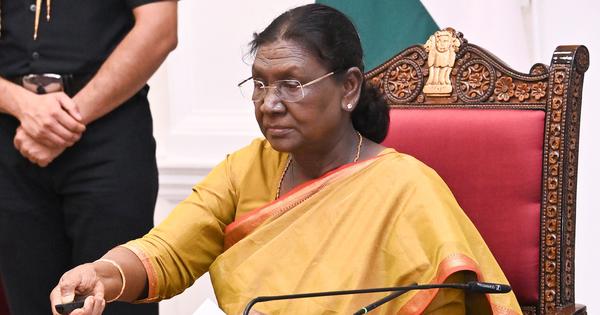
Bill criminalising insults to ‘Vande Mataram’ becomes law after President Murmu’s assent

President Murmu Assents to Bill Criminalising Insult to Vande Mataram

Prez gives assent to bill criminalising insult to Vande Mataram
President Droupadi Murmu gives assent to Vande Mataram Bill
Related news
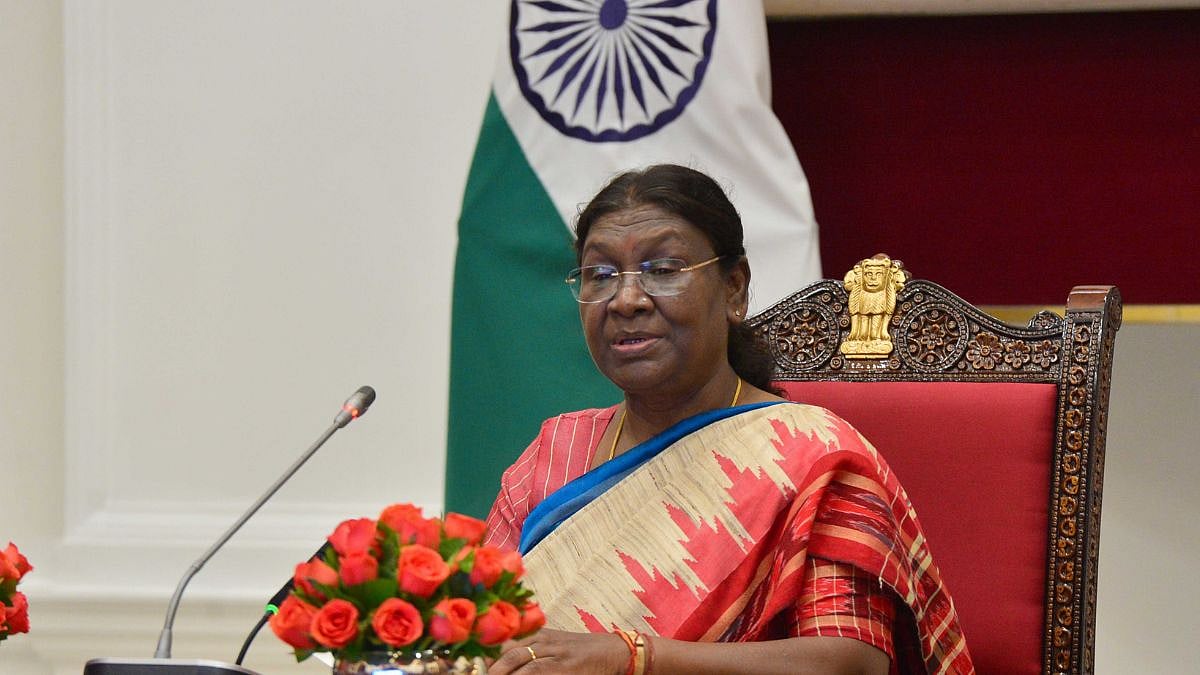
President Signs Law Penalising Obstruction of Vande Mataram Singing

Tharoor Questions Mandatory Full Vande Mataram Rendition at Official Functions
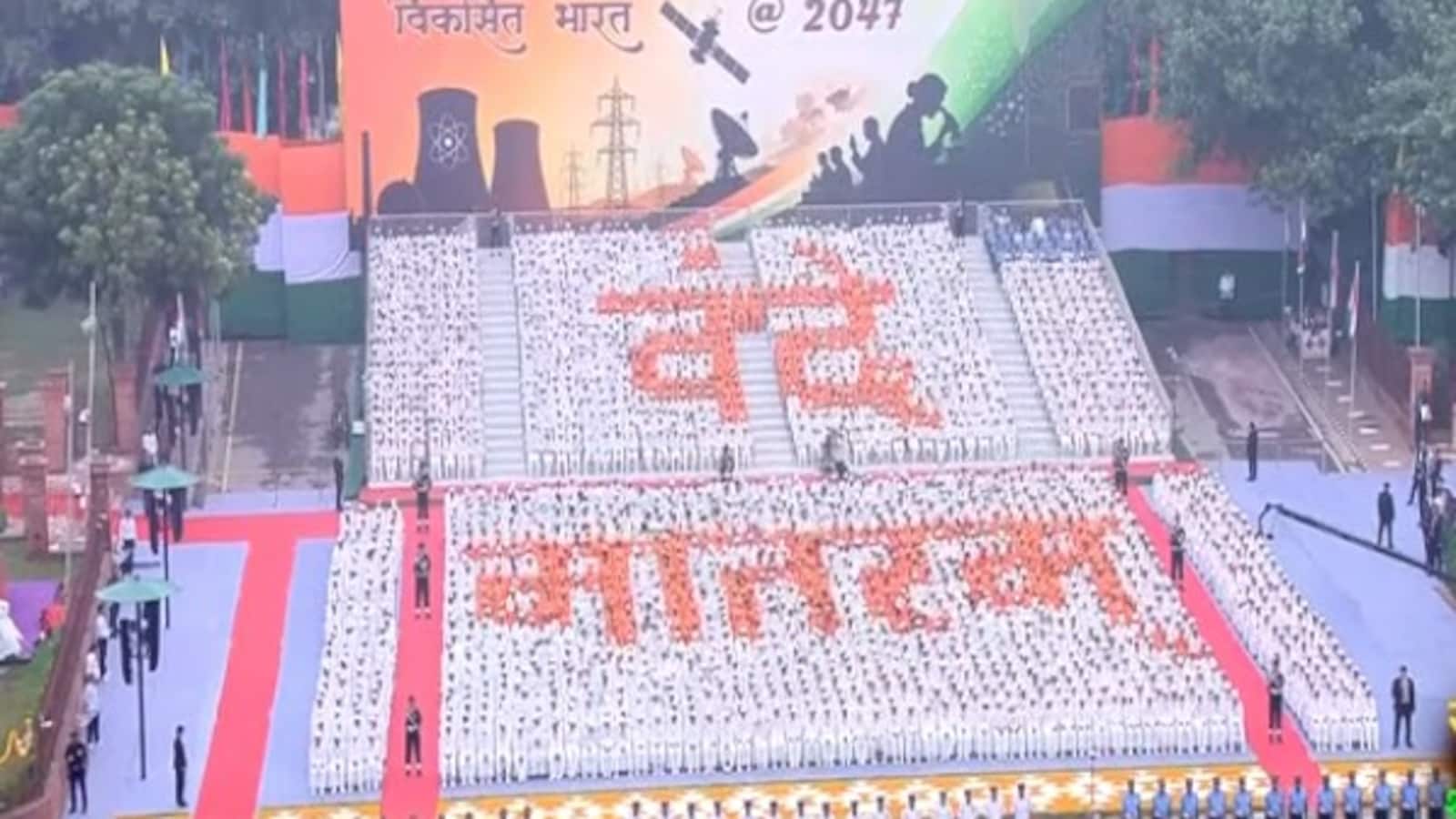
'Vande Mataram' First Played at Red Fort During Independence Day
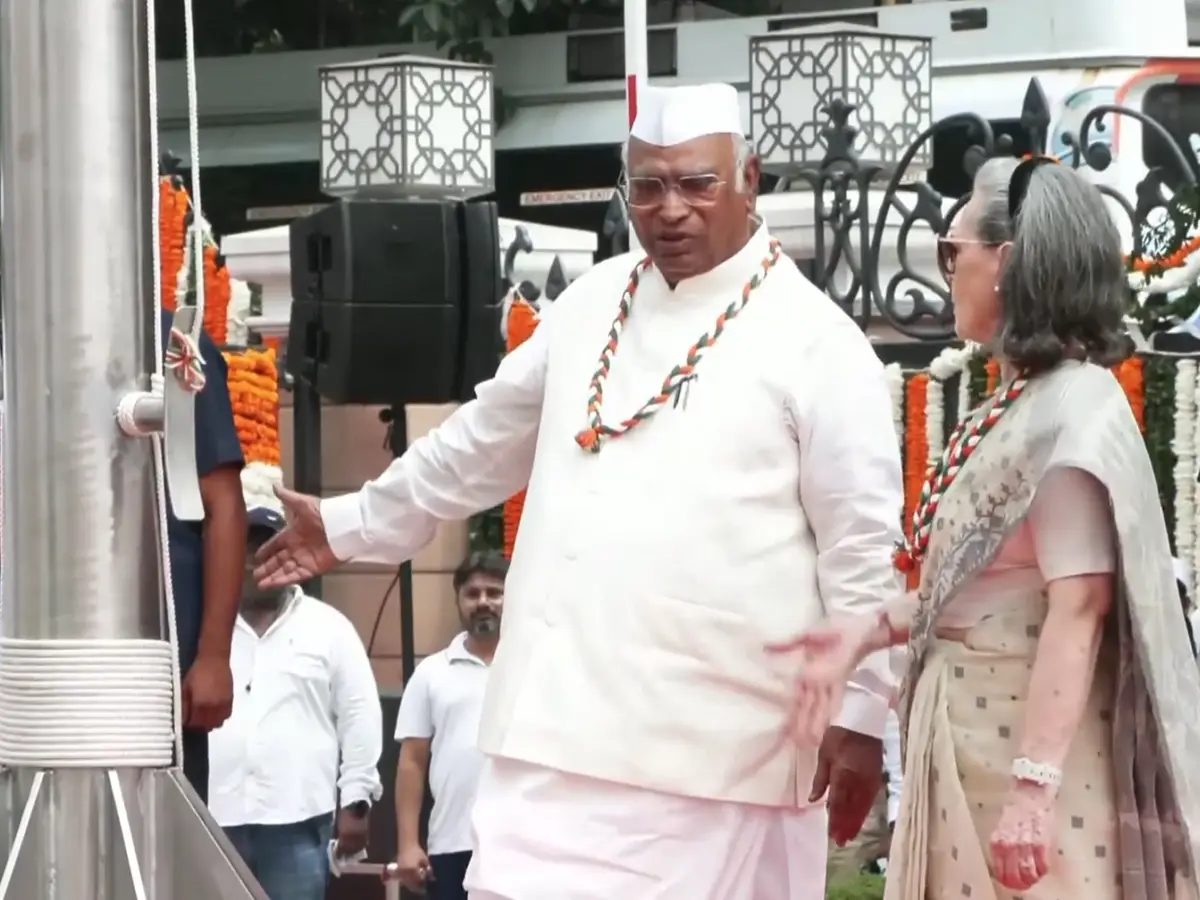
Vande Mataram Row: Sonia Gandhi Faces Complaints After Independence Day

Vande Mataram Gets New Legal Protection Against Disruption

Why Jana Gana Mana and Vande Mataram Can Coexist
Congress Backs Rahul Gandhi Over Vijay for 2029 PM

Tamil Nadu Moves to Withdraw Farmers’ and Teachers’ Protest Cases
Vijay Government to Withdraw Cases Against Farmers, Teachers
Tambaram Councillors Flag Water, Drainage and Civic Inaction

DMK Escalates Jibes at Vijay Ahead of London Visit