

2 weeks ago
Vande Mataram Bill: Protection Is Not a Singing Mandate
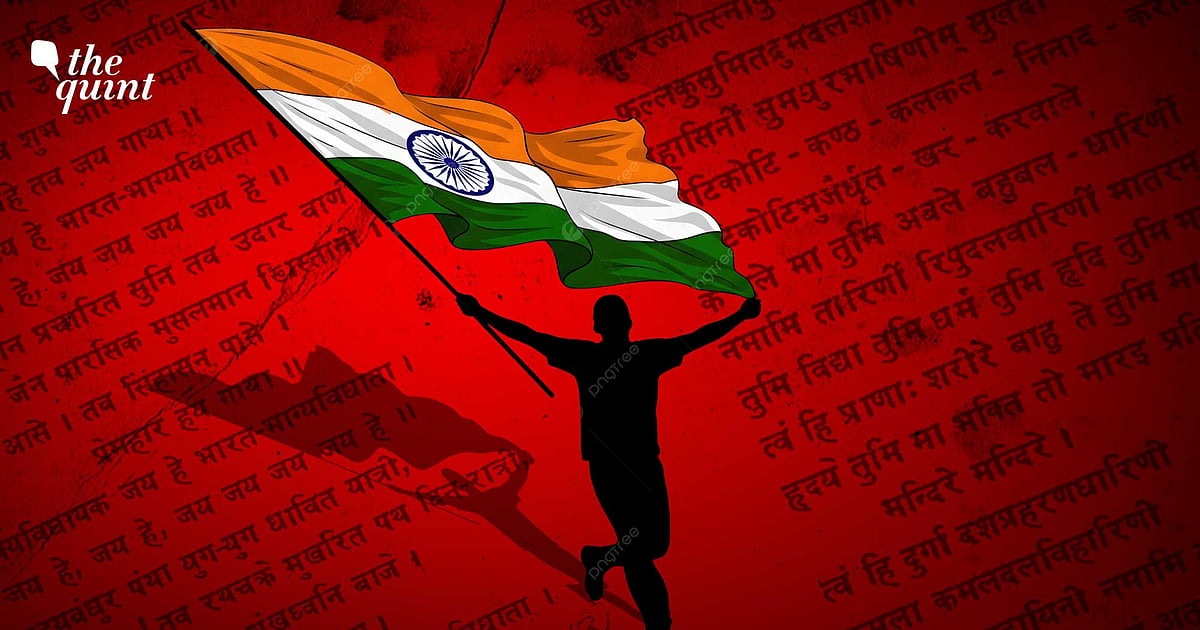
In India, there is a very important song called Vande Mataram, the National Song.
A man named Morarka asked the government about it.
The government made a committee to look into the matter.
In 2016, the committee said the song is a special creative work that does not need a law to protect it.
It said famous works like the Bible are loved and respected without special laws.
In 2017, a court agreed and rejected the petition.
Now the government has changed its mind and wants to protect the song with a law.
The article points out that having legal protection does not mean anyone is forced to sing it.

In 2013, petitioner Morarka made representations to the Union government about the status of the National Song Vande Mataram.
On 29 March 2016, a government committee decided to maintain status quo, calling Vande Mataram a 'creative work' that did not require legal protection.
The committee's order cited revered works such as the Ramcharitmanas, the Mahabharat, and the Bible as not requiring the protection of law.
The Delhi High Court rejected Morarka's petition in 2017, relying on the committee's order.
The present Vande Mataram Bill marks a change, with the Union government now choosing to secure legal protection for the National Song through law.
- Who
- Petitioner Morarka, the Union Government of India, the Delhi High Court, and a government-appointed committee.
- What
- The Union government reversed its earlier position and moved to secure legal protection for the National Song Vande Mataram through an amendment, after previously concluding it needed no statutory protection.
- Where
- India; the proceedings involved the Delhi High Court.
- When
- Representations were made in 2013, the committee decided on 29 March 2016, the Delhi High Court rejected the petition in 2017, and the amendment is the present development.
- Why
- The government now wants to protect Vande Mataram through law, changing its earlier stance that respect for the song did not require statutory support.
Pro-Legal Protection
No Statutory Protection Needed
Whether Vande Mataram needs legal protection
Pro-Legal Protection
The Union government's present amendment shows the National Song should be secured through law.
No Statutory Protection Needed
The 2016 committee position held that protection under law is not the only way to show respect, so no statute was required.
Key facts
- National Song
- Vande Mataram
- Petitioner
- Morarka
- Committee decision date
- 29 March 2016
- Committee decision
- Maintain status quo; no statutory protection needed
- Delhi High Court ruling
- Petition rejected in 2017
- Government position change
- Now seeks to secure protection for the National Song through law
- Works cited as revered without legal protection
- Ramcharitmanas, Mahabharat, Bible, works of Kalidas and Shakespeare
Quotes
Delhi High Court order
Judicial decision outlining the committee’s stance on Vande Mataram’s legal status
““9. Whereas, protection under the law is not the only way to show respect to a creative work. Billions of Indians have the deepest respect and unabiding faith in the Ramcharitmanas and the Mahabharat. Christians across the world similarly have faith in the Bible; the works of Kalidas and Shakespeare are and have been revered across the world, and across centuries; and aartis are sung with utmost devotion and respect. Yet none of these have, indeed none of them require, the protection of law. In ”
 thequint.com
Sources
Related news

President Murmu Assents to Law Criminalising Insult to Vande Mataram

Why Jana Gana Mana and Vande Mataram Can Coexist

Tharoor Questions Mandatory Full Vande Mataram Rendition at Official Functions
'Vande Mataram' First Played at Red Fort During Independence Day

Vande Mataram Gets New Legal Protection Against Disruption

Calcutta HC: 'Heavens Won't Fall' If Vande Mataram Is Sung

Bhopal Sets Three Records For Vande Mataram Anniversary

Readers Debate AI Content Rights and National Identity

Mohan Yadav Accuses Congress of Vande Mataram Appeasement
Suvendu Adhikari Speech Outside JU Sparks Questions Over Dissent
