1 week ago
India’s National Teachers’ Award Highlights Innovation From Rural Schools
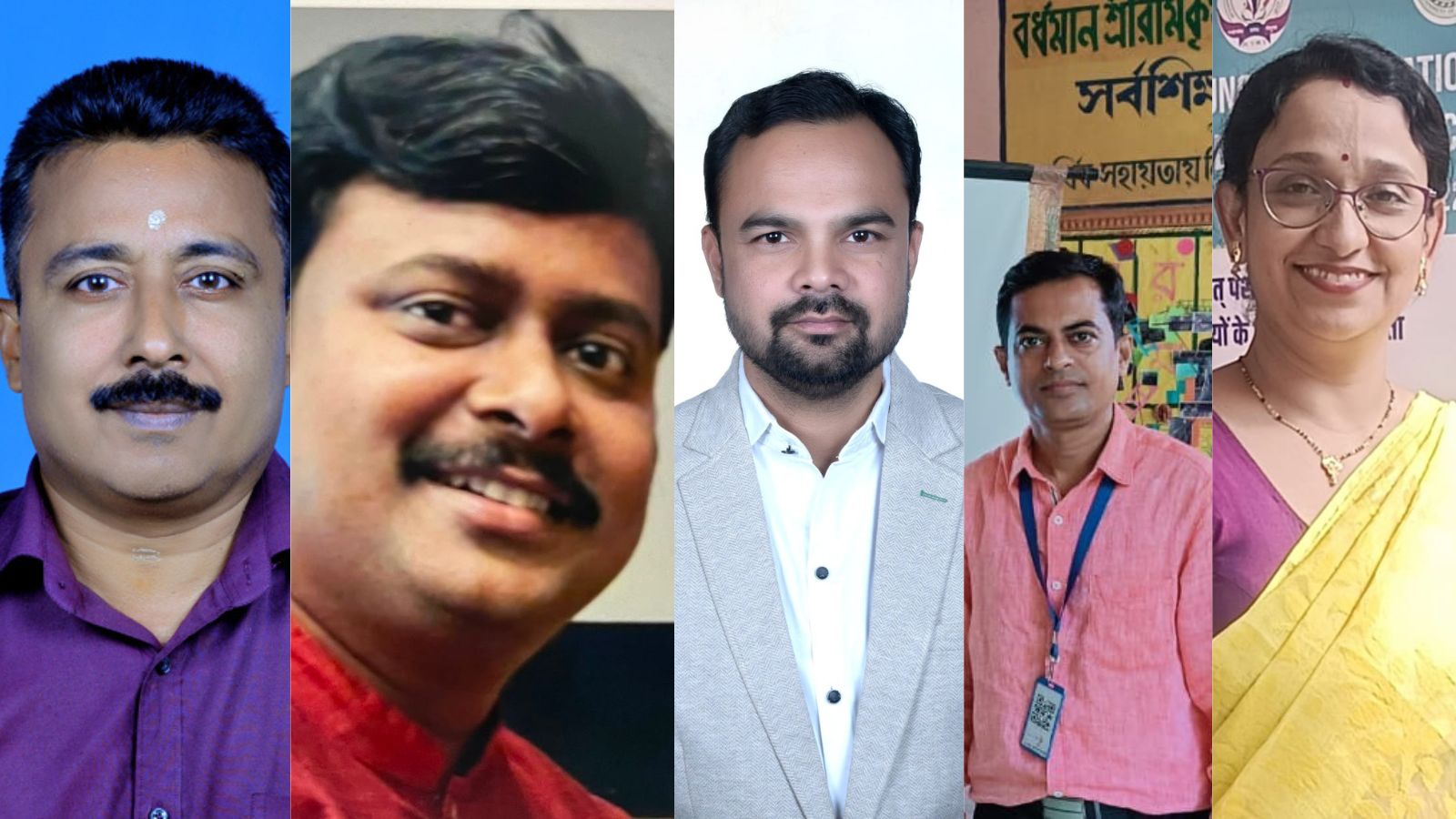
India is giving its National Teachers’ Award to 48 educators.
These teachers found creative ways to help children learn.
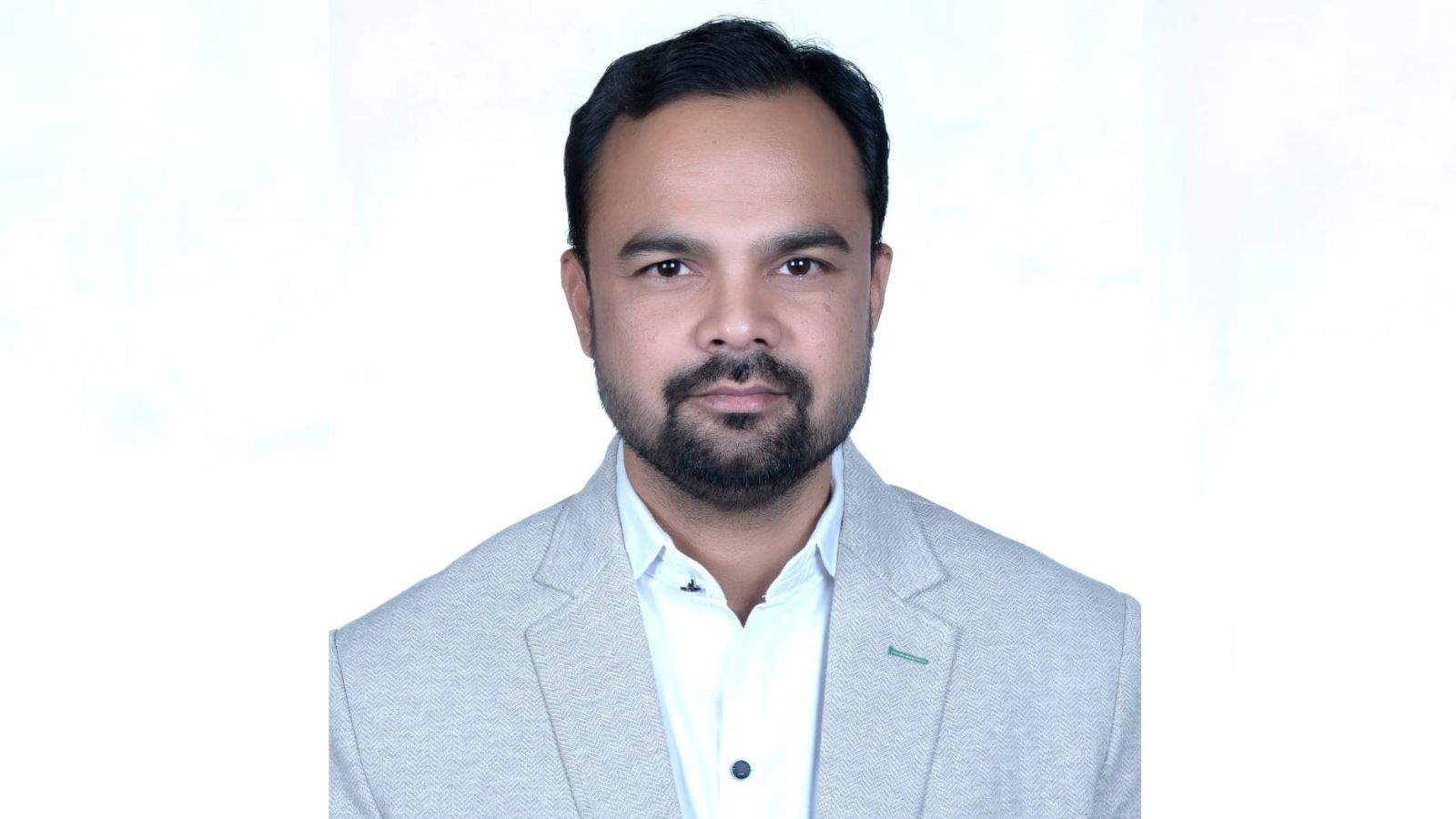
Divyendu Sen in Rajasthan guided students in a NASA-supported search for asteroids.
His students identified 12 possible asteroids, and four were provisionally recognised.
Other teachers provide breakfast or milk so children can attend school and concentrate.
Some use computers, audio lessons, role play, art trips and recycled materials.
Several teachers also work with parents to improve attendance and support girls’ education.
Their stories show that schools can make progress even when they have limited money or equipment.
The awards recognise the teachers’ efforts to make education more interesting and inclusive.

India’s National Teachers’ Award will honour 48 school educators on September 5.
Rajasthan teacher Divyendu Sen helped students identify 12 asteroid candidates, four provisionally recognised as discoveries.
Teachers across several states have introduced breakfast, milk programmes, digital tools and community-based learning.
Educators have addressed attendance, learning gaps, nutrition, girls’ education and perceptions of government schools.
Many awardees created innovative programmes despite limited resources and difficult social or geographic conditions.
- Who
- Forty-eight school educators, including Divyendu Sen and teachers from states such as Kerala, West Bengal, Chhattisgarh, Jharkhand, Bihar, Uttar Pradesh and Telangana.
- What
- The educators are receiving India’s National Teachers’ Award for innovative teaching, community work and efforts to improve student participation and learning.
- Where
- Schools across India, including Sen’s Mahatma Gandhi Government School in Pachpahar, Jhalawar district, Rajasthan.
- When
- The awards will be presented on September 5, India’s Teachers’ Day; the asteroid searches have taken place since the COVID-19 period.
- Why
- The teachers sought to make education more engaging and accessible while addressing learning gaps, absenteeism, nutrition, limited resources and negative perceptions of government schools.
Key facts
- Award
- The National Teachers’ Award is described as India’s highest national award for school educators.
- Awardees
- This year’s list contains 48 educators.
- Divyendu Sen
- The Rajasthan biology teacher has guided students in the NASA-supported International Astronomical Search Campaign.
- Asteroid candidates
- Sen’s students identified 12 candidates since the COVID-19 period; four have been provisionally recognised.
- Student support
- Palash Chowdhury and another teacher provide breakfast to students, while Sunita Yadav introduced a daily glass of milk.
- Attendance efforts
- Khushbu Kumari reported that attendance at her school rose from roughly 40–50% to more than 90% after work with parents and home visits.
- Teaching innovations
- Awardees use virtual laboratories, audio lessons, digital tools, low-cost materials, art observation, role play and community programmes.
Quotes
Palash Chowdhury
West Bengal government primary-school headmaster who provides breakfasts and digital learning
“People used to ask me what the point was and whether it would make students employable. I had to convince them that children will learn computer skills. These programmes develop a scientific temperament in children, which might not have an immediate impact but can help in the long run.”
 indianexpress.com
“It costs us Rs 60,000 a month. Our school is also 100% digital, with apps that help with academics. All rooms have projectors, and we have community activities every Saturday evening when mothers of the students are taught things such as CPR or how to use AI tools for studies.”
indianexpress.com
Sources
Related news
Punjab Teacher Honoured for Creating Virtual Physics Lab
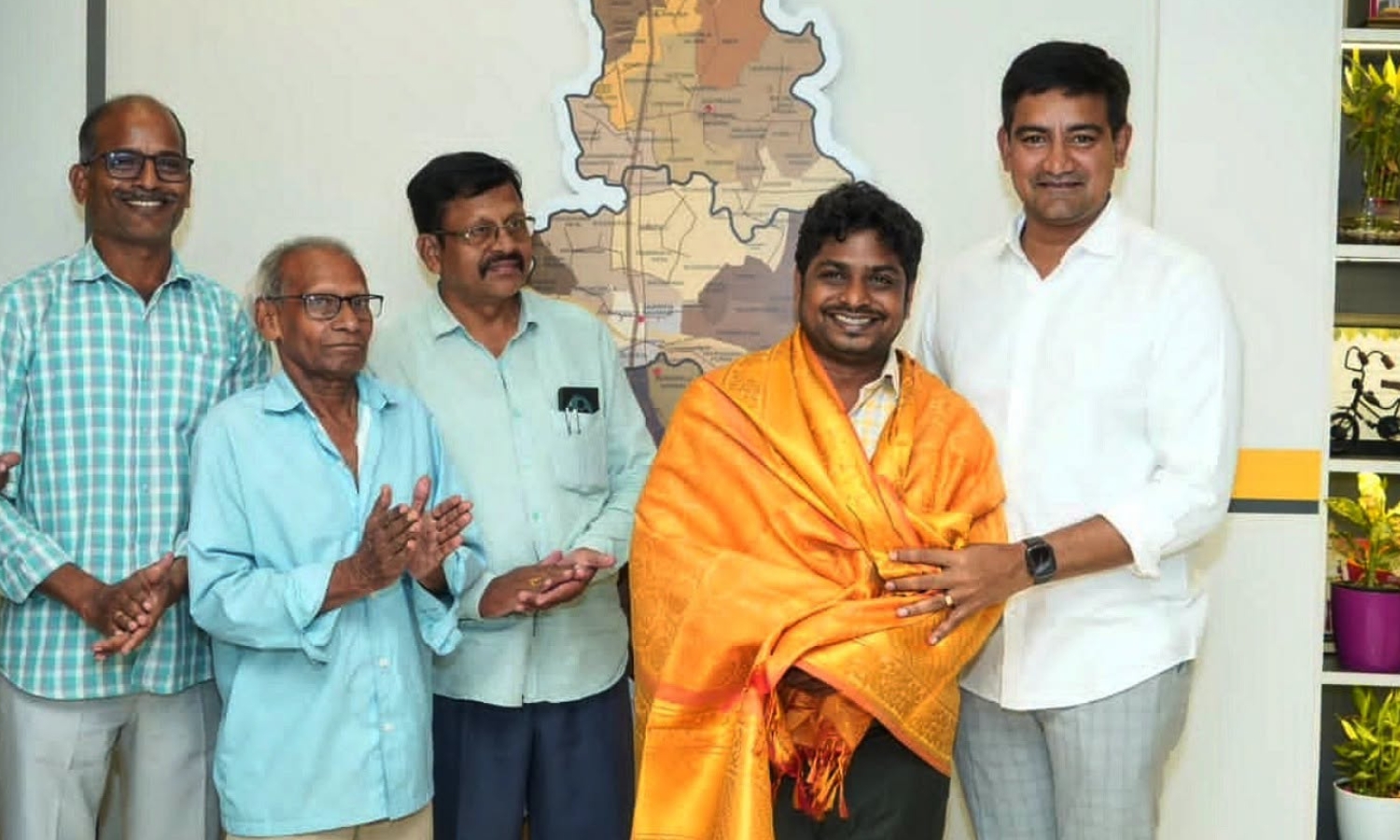
Government Teacher Wins National Award for Technology-Led Education

Teacher’s Mini Lessons Earn National Teachers’ Award 2026
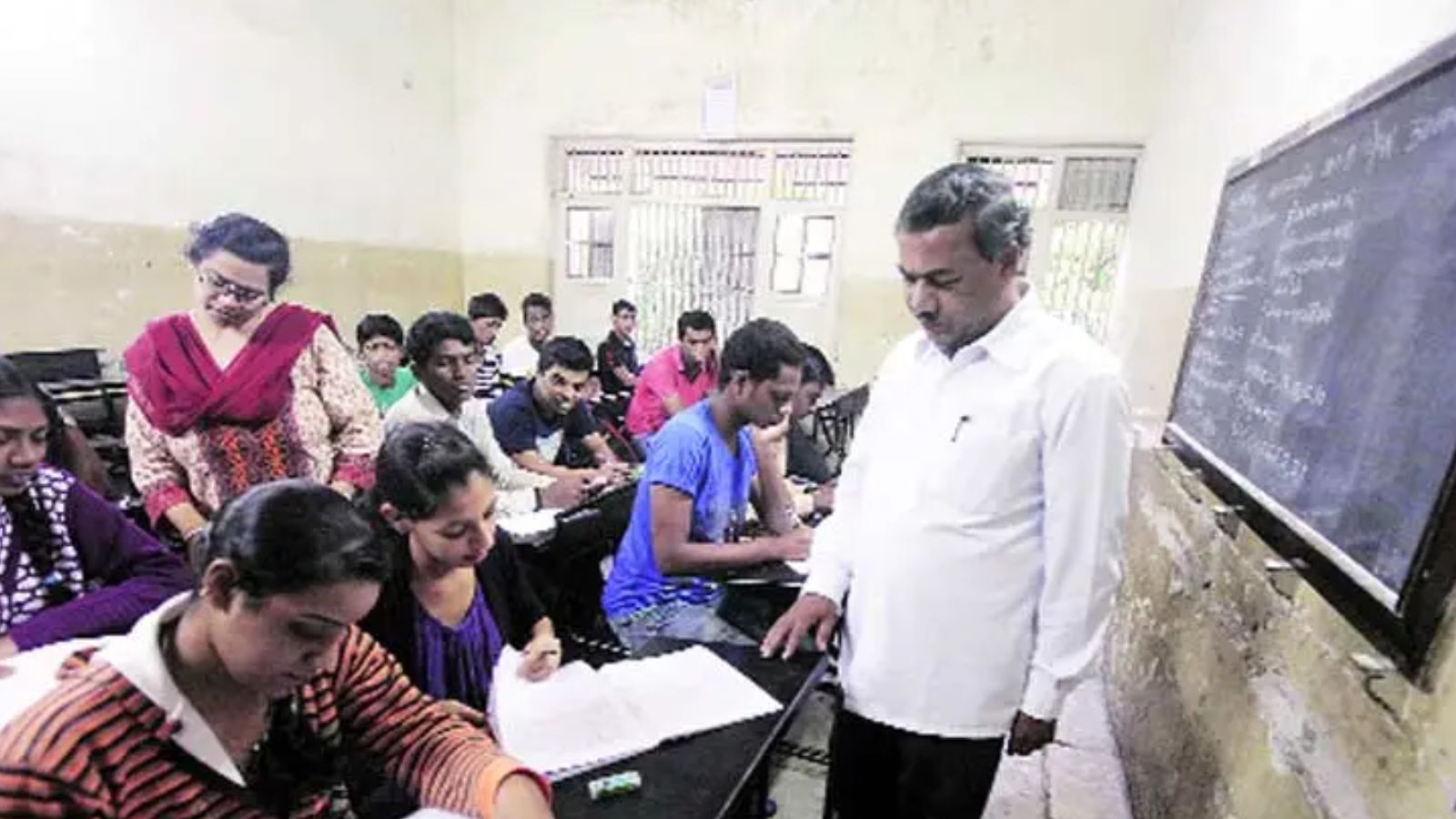
Chandigarh Teacher Selected for National Teachers Award 2026
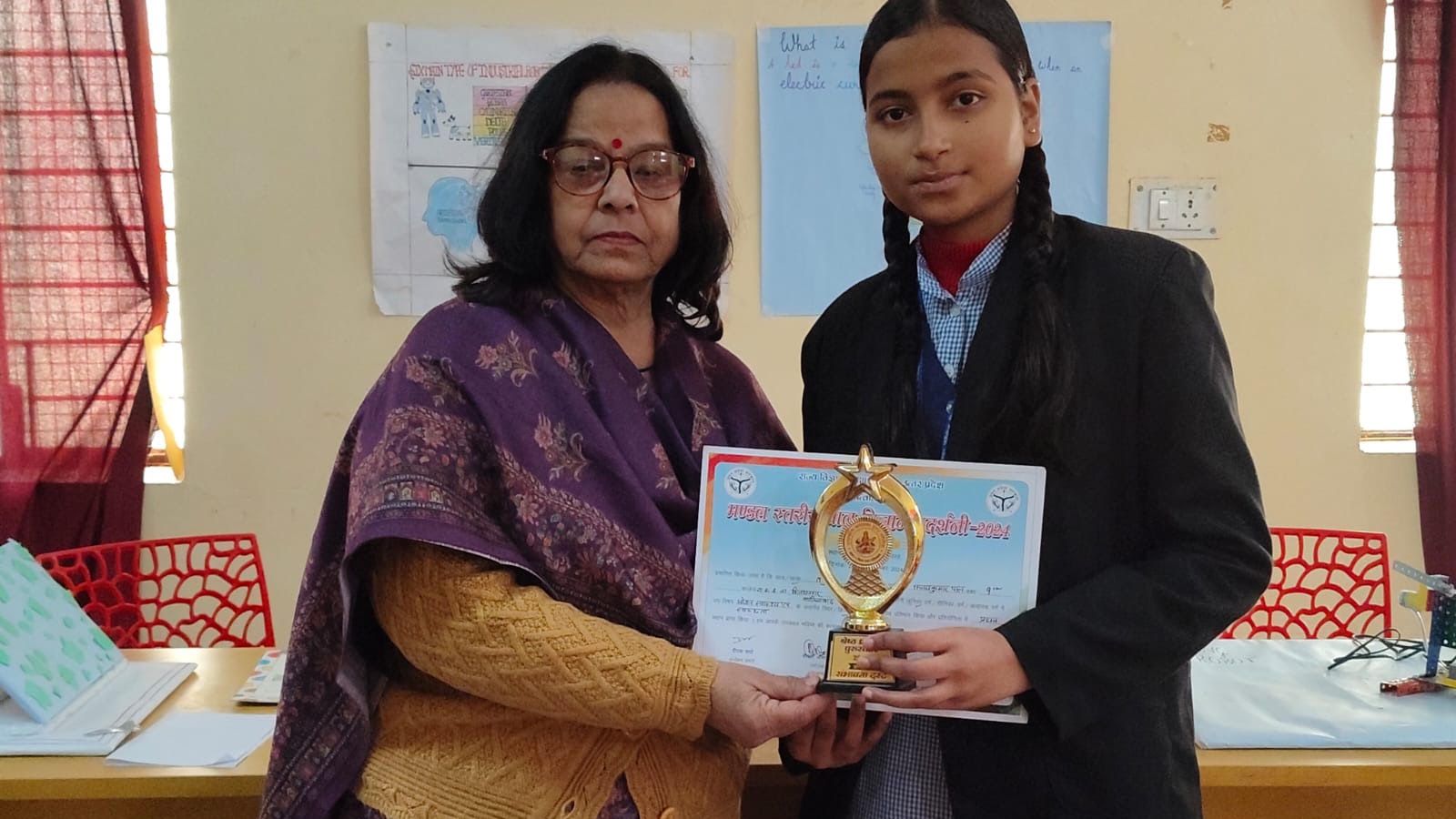
Ghaziabad Science Teacher Wins National Teachers Award 2026
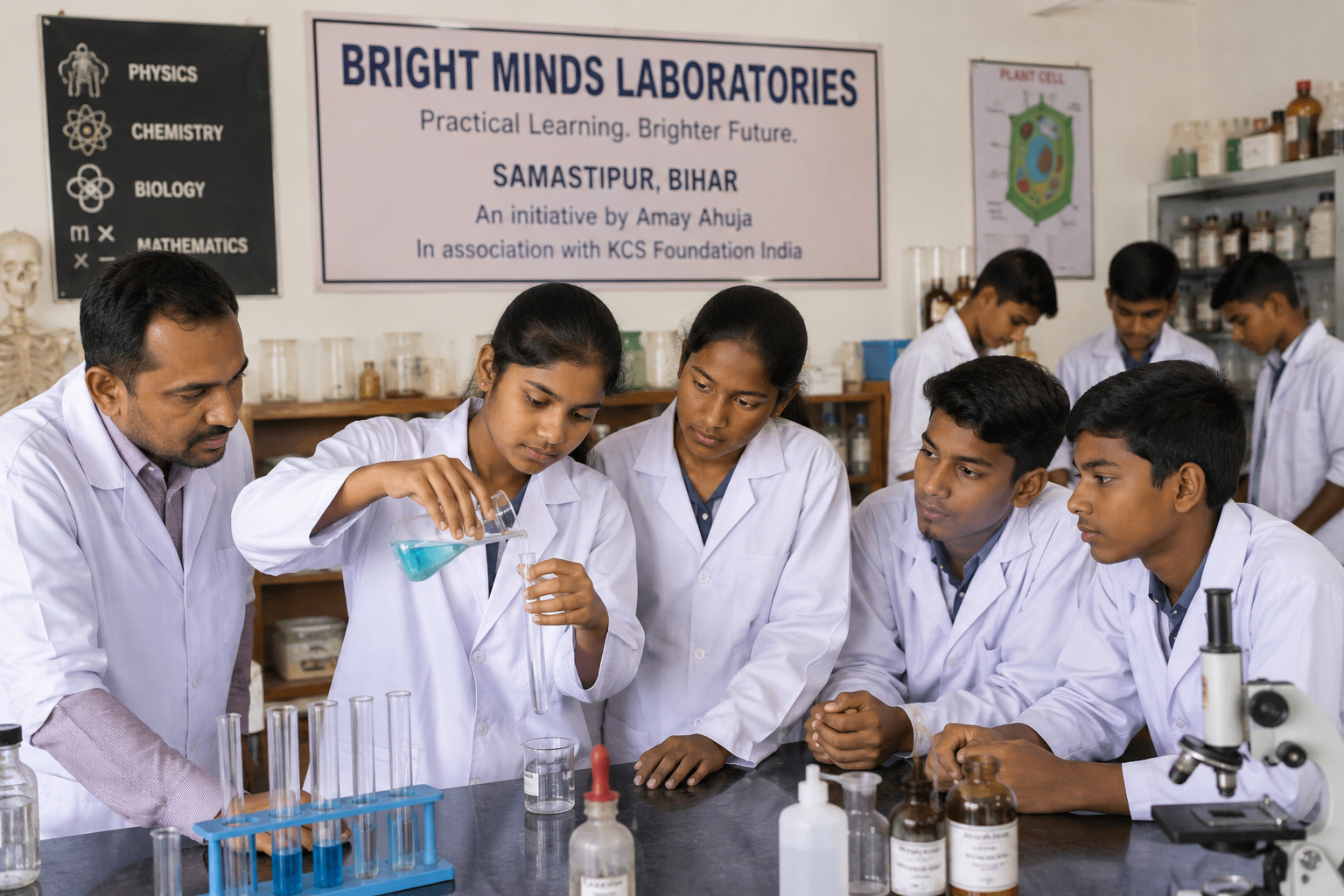
Dubai Student Builds Science Lab in Bihar, Aiding 2,232 Students
President Murmu to Present 2024 Adventure Awards Alongside Sports Honours

Retired Air Marshal Jeetendra Mishra Named Ram Mandir CEO
President Murmu Meets Over 90 Ganjam Folk Artistes

Farmers Detained in Tiruchirappalli Over Cauvery Water Dispute

Amit Thackeray Booked After Modi Portrait Removed In Pune