3 weeks ago
1,500 Indian graduates in Canada face PGWP rejections amid protests

Many students from India went to Canada to study.
They thought that after finishing school they would get a special work permit.
About 1,500 students, mostly from Punjab, were told no to their work permits.
They took courses connected to Portage College but taught at other schools in Calgary and Edmonton.
The students paid a lot of money, about 32,000 Canadian dollars, for their two-year programs.
The government said some of their courses did not count as real classes.
That made the students unable to get the work permit.
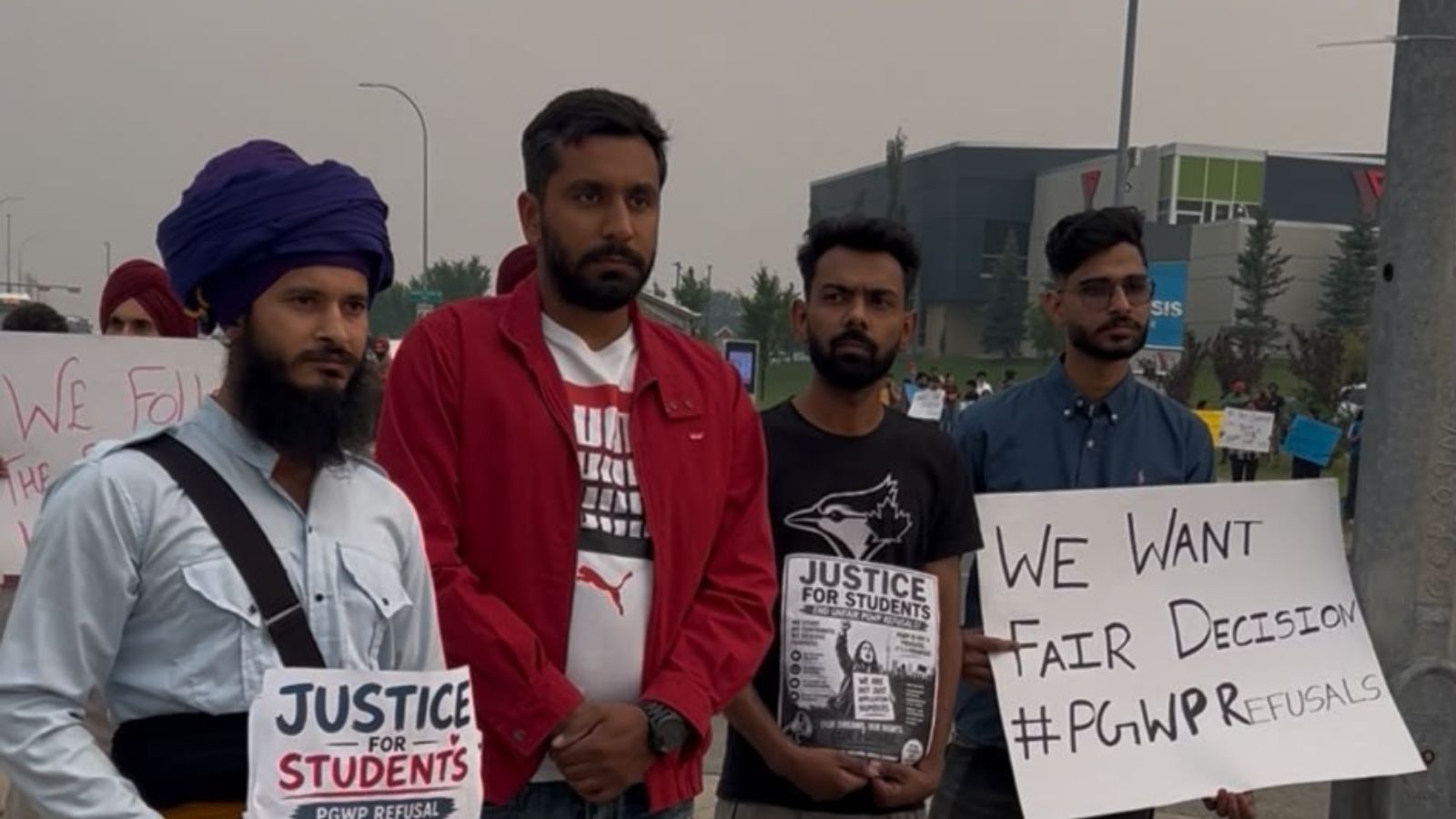
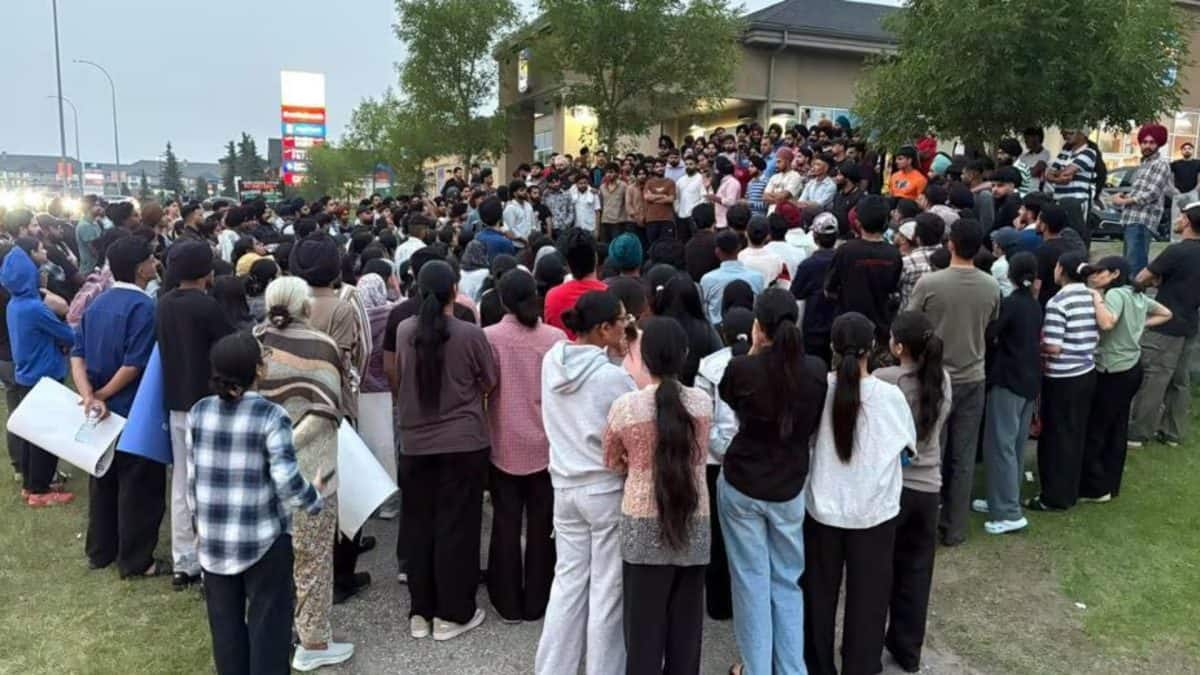
The students are protesting in Calgary, and some are on a hunger strike.
Experts say studying abroad does not always mean you can stay and work afterward.
Canada says everyone must follow the rules that exist when they apply.

Around 1,500 international students, most from Punjab, have been affected by post-graduation work permit (PGWP) rejections in Canada.
Hundreds of students are protesting in Calgary, Alberta, with some launching a hunger strike after their applications were rejected.
Students paid about CAD 32,000 (approximately Rs 20 lakh) for two-year programs linked to Portage College but delivered through partner institutions in Calgary and Edmonton.
Many courses were treated as non-credit programs, making graduates ineligible for the work permit.
Canadian authorities say applicants must meet eligibility requirements in force at the time of application, while Punjab NRI Affairs Minister Ravjot Singh said the Punjab government is working to protect students' interests.
- Who
- Around 1,500 international students, most of them from Punjab, along with Canadian immigration authorities, immigration attorneys Gnanamookan Senthurjothi and Veena Vijay Ananth of The Visa Code, and Punjab NRI Affairs Minister Ravjot Singh.
- What
- Post-graduation work permit applications for international students were rejected, triggering protests and a hunger strike in Calgary.
- Where
- Calgary and Edmonton, Alberta, Canada; the matter was also raised in the Punjab Assembly in India.
- When
- Timing is not specified in the article; the dispute and policy changes are described as recent and ongoing.
- Why
- Students' courses linked to Portage College were treated as non-credit programs, making them ineligible for the PGWP, despite students' belief that the programs would qualify them to work in Canada after graduation.
Students' perspective
Immigration authorities' position
Work permit eligibility
Students' perspective
Students say they enrolled believing their two-year programs would qualify for a PGWP and completed their studies on that understanding.
Immigration authorities' position
Authorities say PGWP applicants must meet the eligibility requirements in force at the time of their application.
Consistency of decisions
Students' perspective
Some students question why those in similar programs or even the same batches reportedly received PGWPs while others were denied.
Immigration authorities' position
Authorities emphasize that both educational programs and immigration conditions must meet Canada's eligibility criteria.
Key facts
- Affected students
- Around 1,500 international students, most from Punjab
- Program fees
- About CAD 32,000 (approximately Rs 20 lakh) for two-year programs
- Protest location
- Calgary, Alberta, Canada
- Linked college
- Portage College, Alberta
- Course delivery
- Partner institutions in Calgary and Edmonton
- Rejection reason
- Courses treated as non-credit programs, ineligible for PGWP
- Authorities' position
- Applicants must meet eligibility requirements in force at the time of application
- Punjab minister
- NRI Affairs Minister Ravjot Singh, who said the Punjab government is making efforts to protect students' interests
Quotes
Gnanamookan Senthurjothi
Founder of The Visa Code and immigration attorney
“For years, Canada marketed a near‑guaranteed pathway from study permit to work permit to permanent residency, and international students planned their futures around that expectation.”
 financialexpress.com
“Rather than depending on a single country’s permanent residency pathway, students should focus on building skills that remain valuable regardless of policy changes.”
financialexpress.com
Sources
Related news
Indian students in Canada challenge work permit rejections
CBSA checks immigration status of protesting Indian students in Calgary
Protesting Indian students face departure after Canada work permit refusals

Alberta Premier Urges Students With Expired Visas To Go Home
81% of Indian students abroad plan to return to India

Punjab Announces Statewide Awareness Drive on BC Certificates
NDA Personnel Found Dead On Pune Railway Track; Inquiry Ordered

Bajwa Questions Punjab Government Over Pending Employee DA Arrears
BJP Alleges Punjab Cash-for-Transfer Network, Seeks Mann Resignation
ED Again Seeks Punjab FIR Over Alleged Land-Use Scam