3 weeks ago
Indian students in Canada challenge work permit rejections
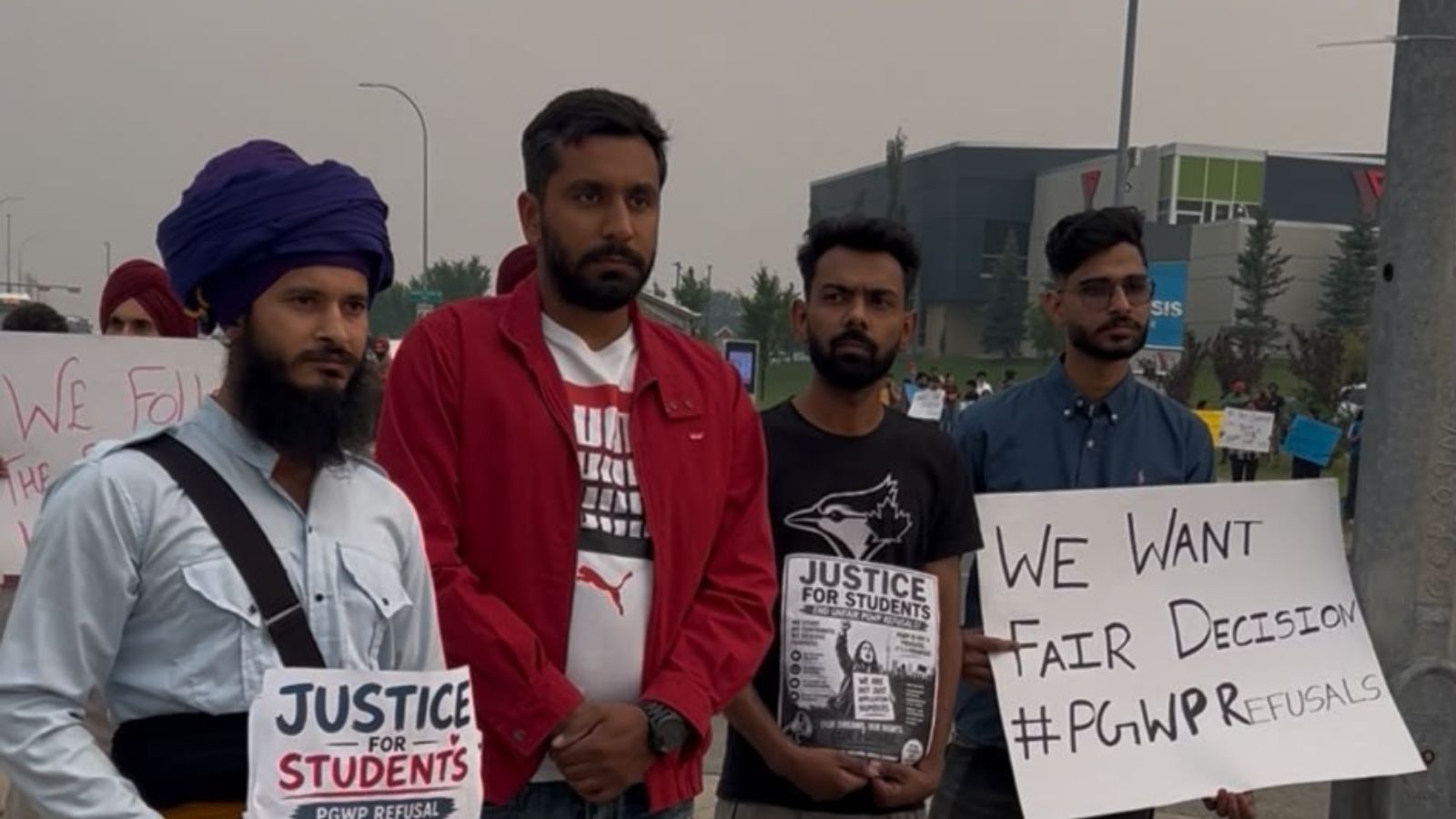
Many students from India travelled to Canada to study.
After finishing their courses, they wanted a special document called a work permit so they could stay and work.
Canada recently changed its rules about which courses count for a work permit.
Courses called 'non-credit' courses do not count anymore.
Now many of these students are being told they cannot get the permit.
Some were even given a permit and then had it taken away.
The students think this is unfair because they started studying before the new rules.
They say their colleges promised them the old rules would still apply.
They are going to court and asking the Indian government to talk to Canada.
Many of them borrowed a lot of money, so going home without a permit is very hard.

Nearly two years after completing a two-year business management programme in Canada, Sikandar Singh of Haryana's Fatehabad district had his postgraduation work permit (PGWP) application rejected because his programme was classified as a 'non-credit course.'
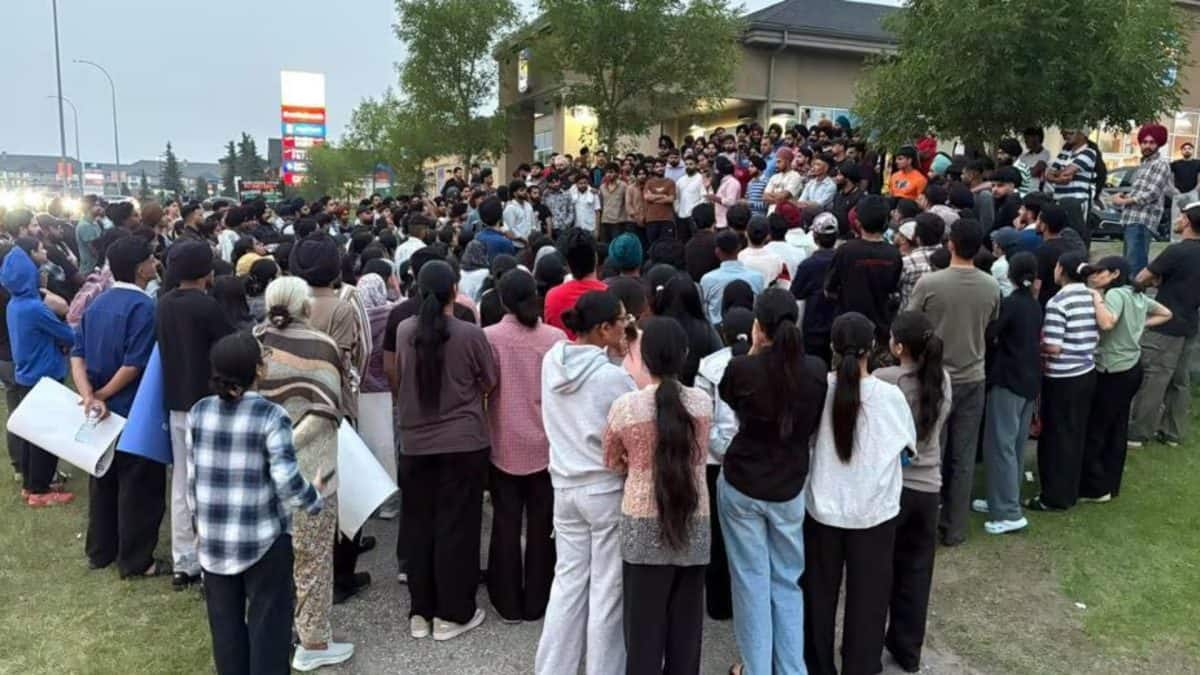
An estimated 1,500 to 2,000 Indian students, primarily from Punjab, Haryana, and neighbouring northern states, allege Canadian immigration authorities are enforcing revised PGWP eligibility rules inconsistently and retroactively.
The dispute stems from an Immigration, Refugees and Citizenship Canada (IRCC) policy clarification issued on June 24, 2024, declaring graduates of non-credit programmes ineligible for PGWPs; rejections began rising from July 7, 2026.
Many affected students attended CIOT College and Campbell College, institutions operating under public-private partnership agreements with Alberta-based Portage College.
Students have submitted a formal representation to External Affairs Minister S Jaishankar urging New Delhi to intervene diplomatically, and hundreds are filing petitions for judicial review in Canadian courts with legal costs of CAD 3,500 to 5,000 per applicant.
- Who
- Indian students who completed non-credit programmes in Canada (including Sikandar Singh of Haryana's Fatehabad district), Immigration, Refugees and Citizenship Canada (IRCC), Alberta Premier Danielle Smith, and India's External Affairs Minister S Jaishankar.
- What
- Rejections and revocations of postgraduation work permits (PGWPs) for graduates of non-credit programmes, which students allege are being applied inconsistently and retroactively.
- Where
- Canada, including demonstrations in Calgary and Edmonton and a student visit to Portage College's main campus in Alberta.
- When
- The IRCC policy clarification was issued on June 24, 2024; rejections began rising from July 7, 2026; affected students completed their studies in 2024, 2025, and early 2026.
- Why
- Students argue the revised PGWP eligibility rules are being enforced arbitrarily and retroactively despite institutional assurances that new restrictions would not apply to previously enrolled students.
Affected Indian students
Canadian authorities and institutions
Retroactive application of PGWP rules
Affected Indian students
Students say they enrolled long before the June 24, 2024 clarification and were assured that new restrictions would not apply to existing students, so rejections are unfair, arbitrary, and inconsistent since some classmates received approvals.
Canadian authorities and institutions
Canadian authorities state that graduates of non-credit programmes no longer qualify for PGWPs, and college officials confirmed that the final authority rests with federal immigration officers.
Who is responsible for the confusion
Affected Indian students
Students say their colleges explicitly told them the new rules would not apply to previously enrolled students, and they relied on those assurances when planning their futures.
Canadian authorities and institutions
Alberta Premier Danielle Smith says international students whose visas expire without permanent residency may have to return home, noting that some students may have been given 'unrealistic expectations.'
Key facts
- Affected students
- An estimated 1,500-2,000 Indian students, primarily from Punjab, Haryana, and neighbouring northern states
- Disputed policy
- IRCC clarification (June 24, 2024) making non-credit programme graduates ineligible for PGWPs
- Rejections began rising
- From July 7, 2026
- Institutions involved
- CIOT College and Campbell College, operating under public-private partnership agreements with Portage College (Alberta)
- Legal costs
- CAD 3,500-5,000 per applicant for judicial review petitions
- Students with education loans
- More than 60 per cent of affected students
- Protests and actions
- Demonstrations in Calgary and Edmonton; students travelled to Portage College in three buses and about 60 private vehicles
Quotes
Sikandar Singh
Indian student from Haryana whose PGWP was rejected by IRCC
“"I completed my studies long before this issue surfaced. Our colleges explicitly told us new rules wouldn’t apply to previously enrolled students. We relied on those assurances. What shocks us is that students from our exact program who finished later were granted PGWPs."”
 indianexpress.com
Sources
Related news
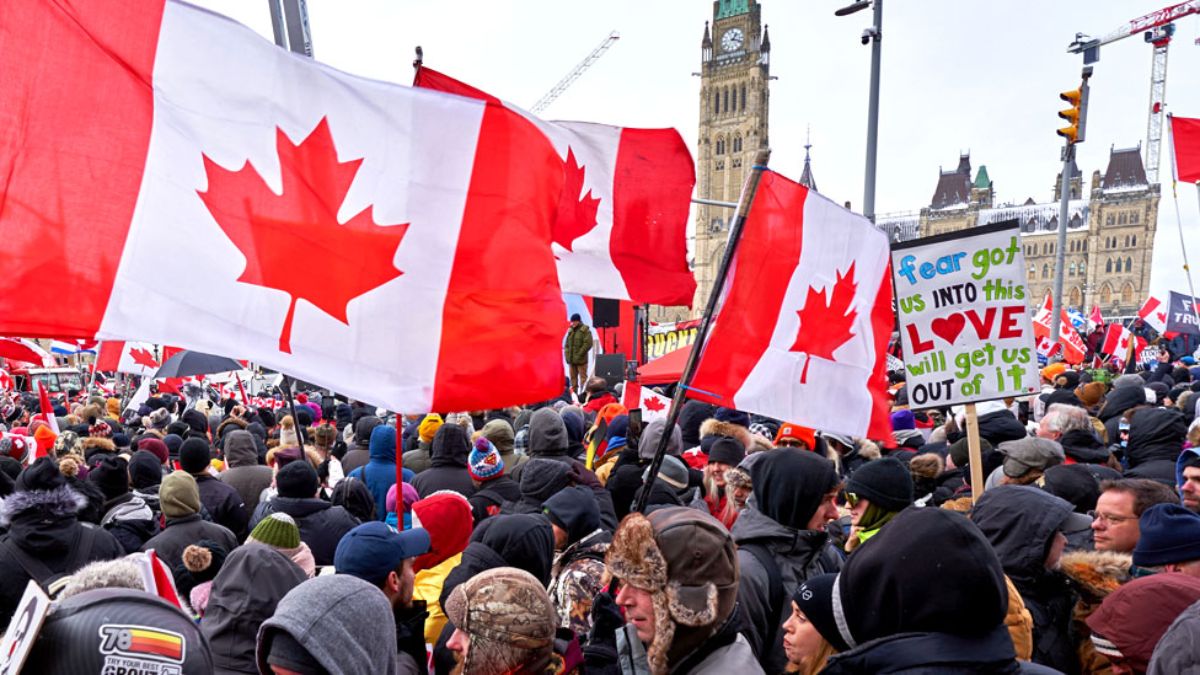
1,500 Indian graduates in Canada face PGWP rejections amid protests
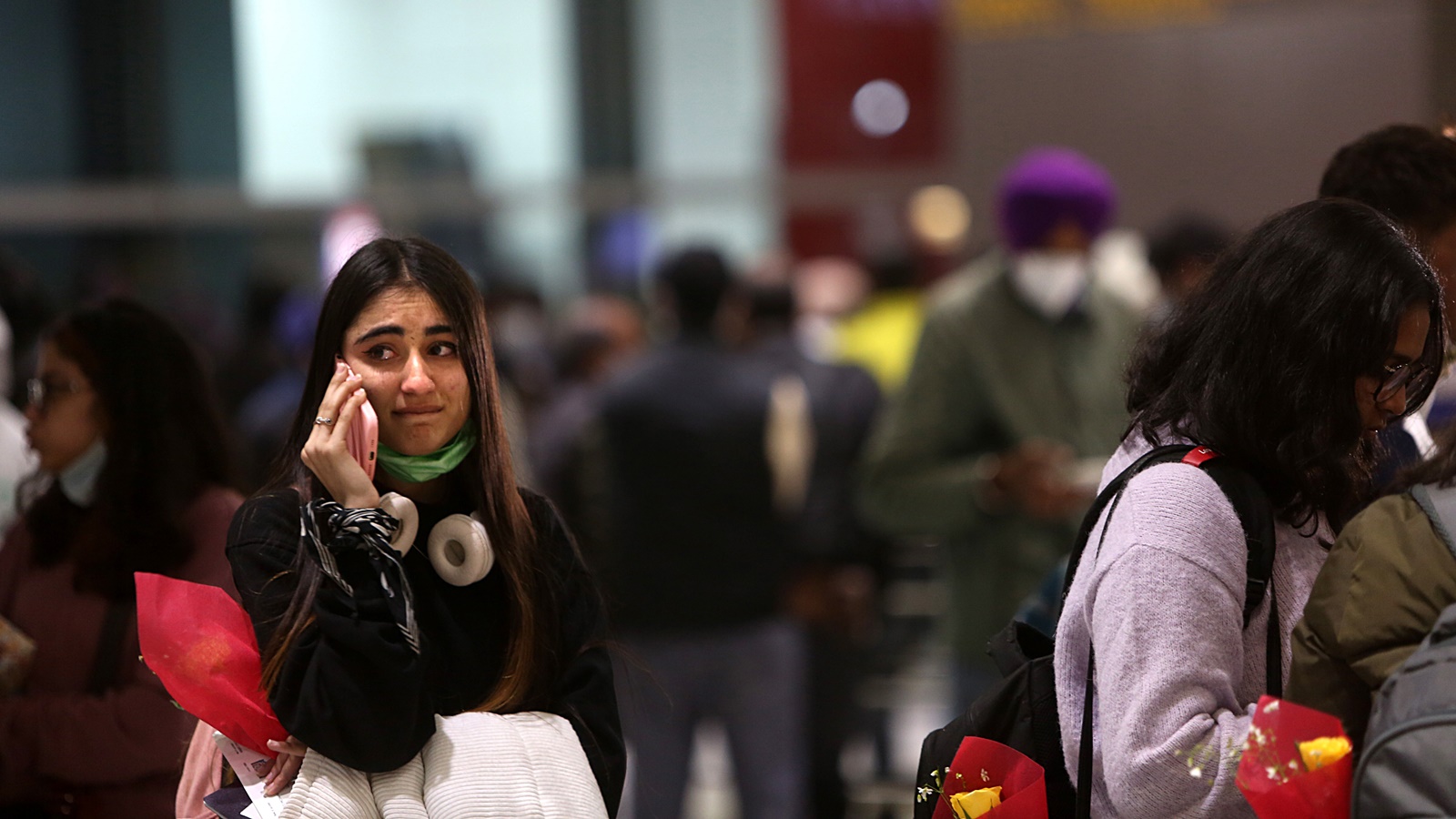
Protesting Indian students face departure after Canada work permit refusals
CBSA checks immigration status of protesting Indian students in Calgary
Alberta Premier Urges Students With Expired Visas To Go Home
Study-abroad firm ordered to refund Rs 11 lakh to student

Tributes Follow Deaths of Kiran and Shilpa Nathwani

PUBG Mobile Creator Farooq Ahmad Dies as Community Mourns