

2 weeks ago
Protesting Indian students face departure after Canada work permit refusals
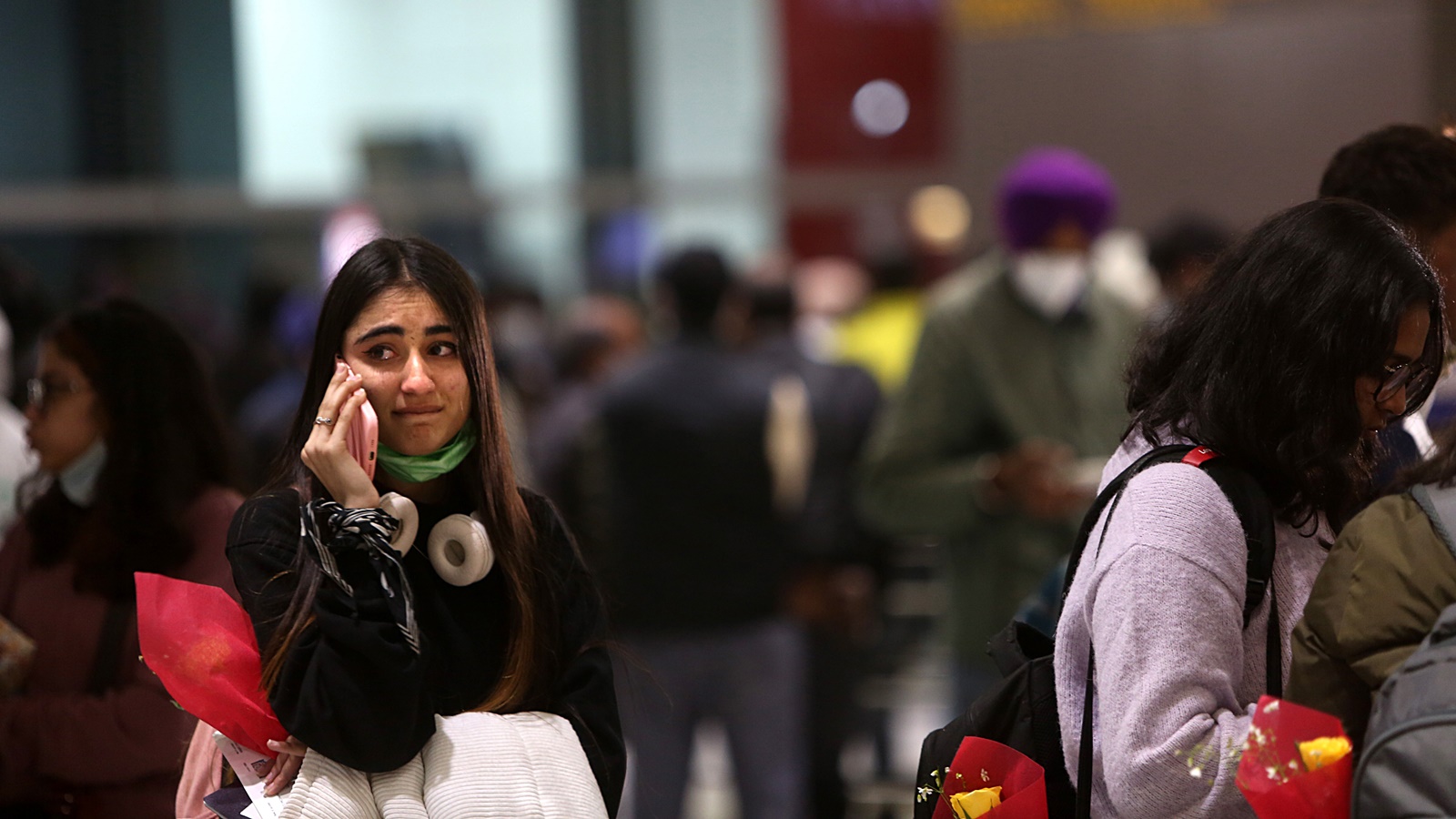
Some college students from India went to Canada to study.
They studied for almost two years at a college called Portage College.
After finishing their courses, they asked the government for a work permit so they could work in Canada.
The government said no because it had doubts about whether their courses counted.
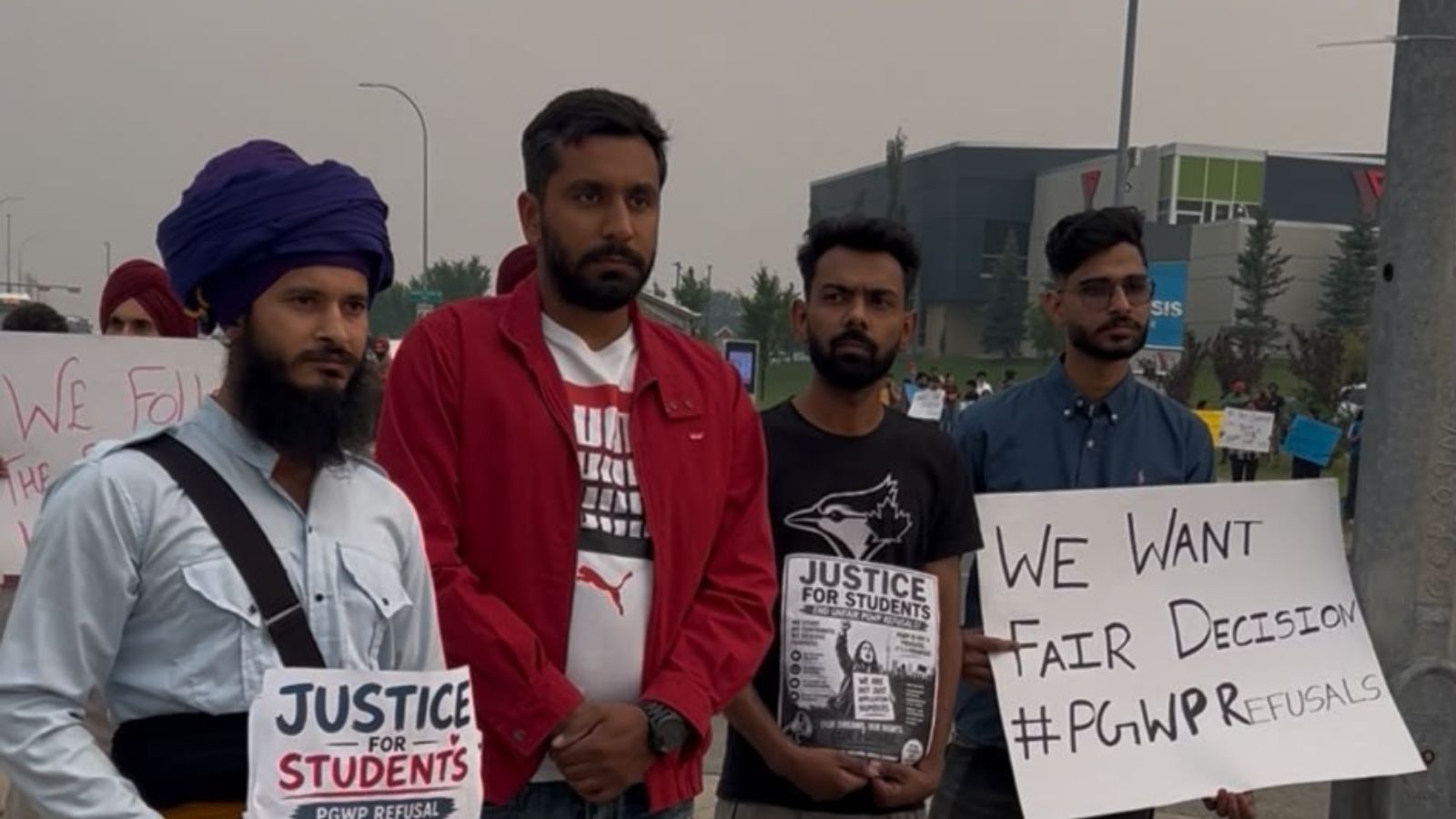
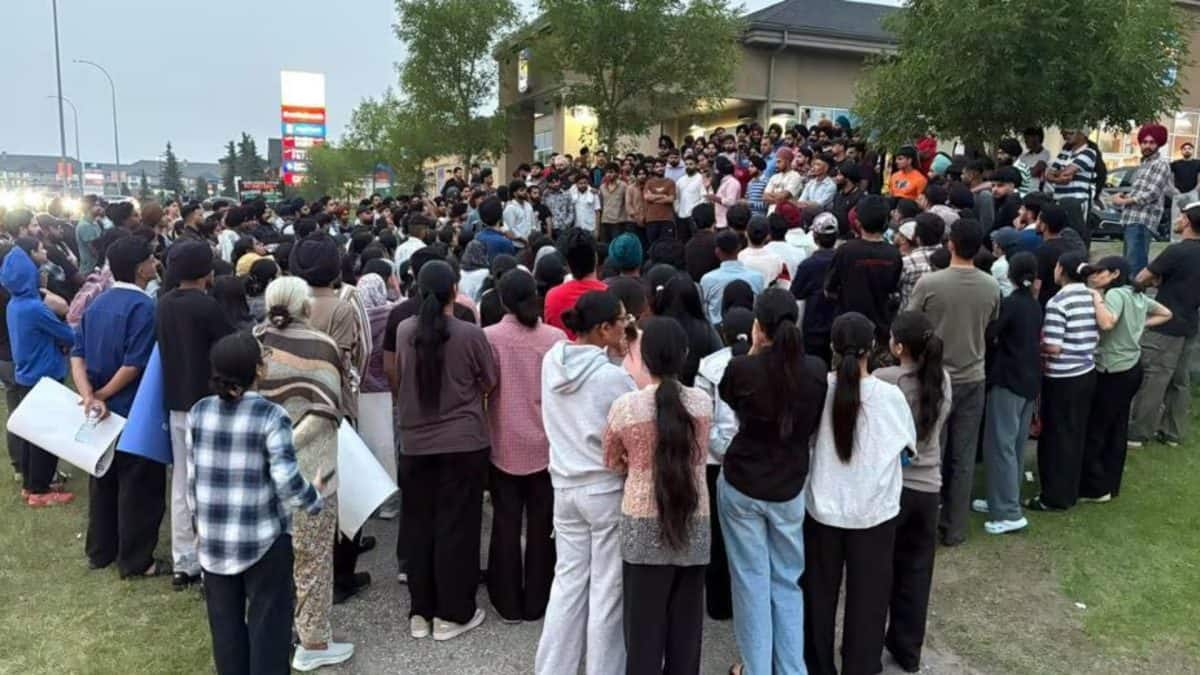
The students were surprised and upset, and they protested for about a month.
Now they must leave Canada unless they can find another legal way to stay.
They can ask to fix their status within 90 days, but that time is not automatic.
Some students are asking judges to review the decision.
Others are applying to new courses that do count for a work permit.
Experts say it is safer to leave than to stay without permission.

Indian students in Canada have been protesting for close to a month after their Post-Graduation Work Permit (PGWP) applications were refused.
The students completed nearly two years of study at Portage College and its former partner campuses in Alberta, Calgary and Edmonton, spending around Rs 30-50 lakh on tuition and living expenses.
Refusals reportedly cited concerns over programme eligibility, including whether the programmes were credit-earning and qualified for a PGWP.
The Canadian government said students with no other legal status must leave; a refusal does not automatically grant 90 days to remain, though restoration may be sought where eligible.
Most affected students have filed judicial review applications and are exploring admission to new eligible, credit-earning programmes.
- Who
- Indian students who completed nearly two years of study at Portage College and its former partner campuses in Alberta, Canada.
- What
- Their Post-Graduation Work Permit applications were refused, prompting protests; those without other legal status must leave Canada unless they secure a lawful alternative.
- Where
- Canada, mainly Alberta (Calgary and Edmonton), with decisions made by Immigration, Refugees and Citizenship Canada (IRCC).
- When
- Protests have been ongoing for close to a month as of the report.
- Why
- Refusals cited concerns over programme eligibility, including whether the courses were credit-earning and qualified for a PGWP.
Protesting students and their advocates
Canadian immigration authorities (IRCC)
Fairness of the PGWP refusals
Protesting students and their advocates
Students say they had not anticipated the refusal and expected to work in Canada after completing their programmes, having spent Rs 30-50 lakh on tuition and living expenses.
Canadian immigration authorities (IRCC)
IRCC refused the permits based on eligibility concerns, including whether the programmes were credit-earning and qualified for a PGWP; Portage College notes decisions are made by the federal agency.
How students should respond
Protesting students and their advocates
Affected students are filing judicial review applications and exploring admission to new eligible courses to legally remain and study in Canada.
Canadian immigration authorities (IRCC)
Immigration experts warn against short-term visitor or business routes merely to delay departure, saying leaving is safer than overstaying and short-term options could create bigger immigration problems later.
Key facts
- College
- Portage College and its former partner campuses
- Locations
- Alberta, Calgary, Edmonton (Canada)
- Study duration
- Nearly two years
- Student investment
- Rs 30-50 lakh on tuition and living expenses
- Refusal reason
- Concerns over programme eligibility and credit-earning status for PGWP
- Status restoration window
- 90 days after losing status (not automatic after refusal)
- New programme costs
- Living expenses C$22,895 (~Rs 15.7 lakh); tuition C$8,000-9,000 (~Rs 5.5-6.16 lakh) per semester
- Work limit on study permit
- Up to 24 hours per week off campus during academic sessions
Quotes
Ashish Boora
Student whose PGWP application was refused
“"The priority now should be to avoid another costly mistake by opting for any short-term course or visa merely to remain in Canada," he said. "Currently, students who are already in Canada and seeking a student’s visa — success is very high for them."”
 indianexpress.com
indianexpress.com
indianexpress.com
“"Students had already started exploring legal ways to remain in Canada, besides filing judicial review applications."”
indianexpress.com
indianexpress.com
Sources
Related news
Indian students in Canada challenge work permit rejections

1,500 Indian graduates in Canada face PGWP rejections amid protests
CBSA checks immigration status of protesting Indian students in Calgary
Alberta Premier Urges Students With Expired Visas To Go Home
Study-abroad firm ordered to refund Rs 11 lakh to student
Indian Students Face PGWP Rejections in Canada
