7 hrs ago
Kedarnath Waste Surpasses Previous Annual Totals in Five Months
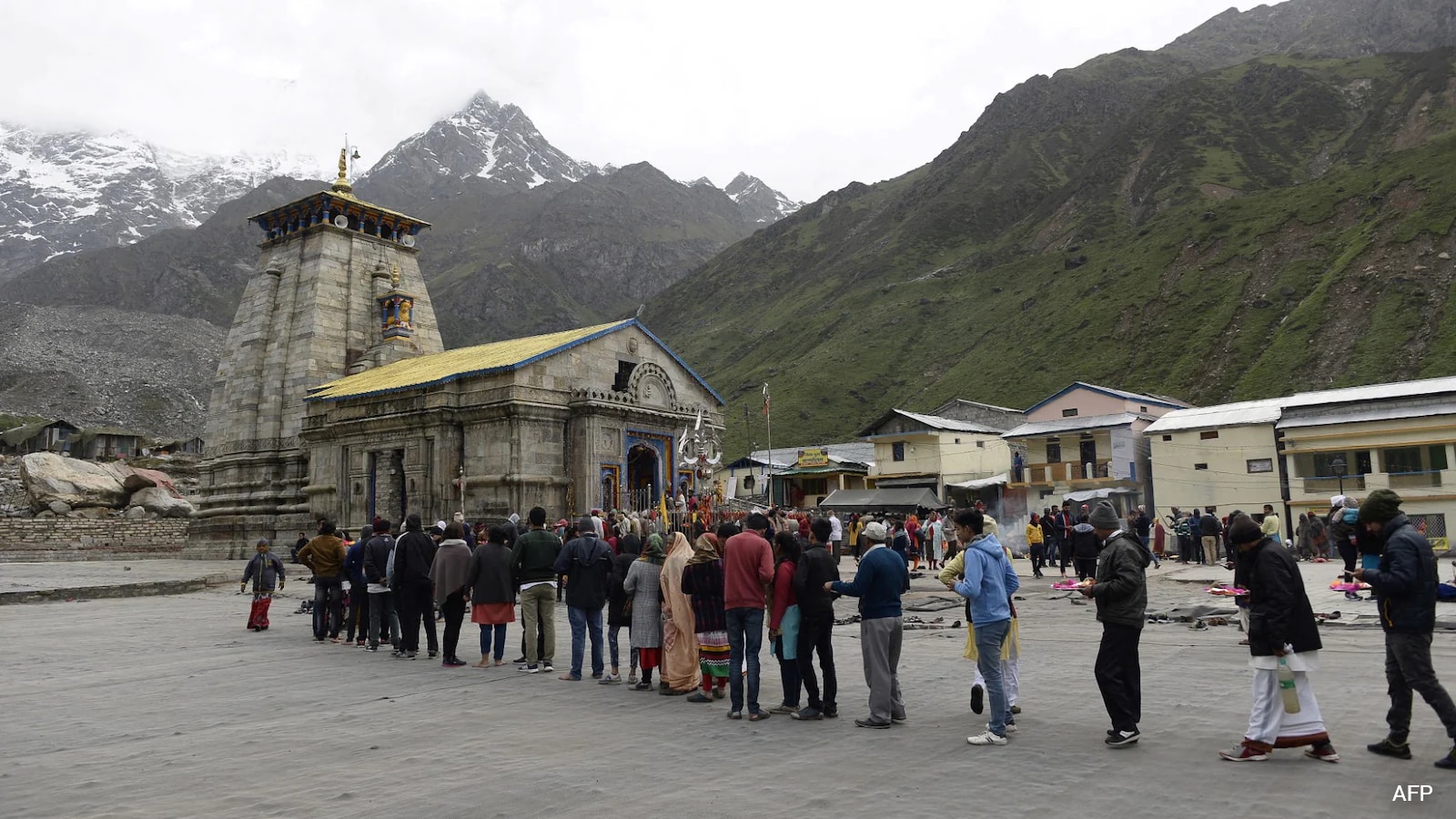
Kedarnath produced a very large amount of waste in the first five months of 2026.
It produced more waste than it did during any entire pilgrimage season in the previous three years.
The most waste was recorded in May.
Much of the waste was plastic.
Officials said most of the plastic waste had been processed.
Kedarnath has landfill space, but its waste levels are increasing.
About 1.5 million pilgrims visited the site this year.
An activist said the growing waste could harm the Himalayan environment.
He urged people to take more responsibility for keeping the sacred area clean.

Kedarnath generated 50.30 metric tonnes of waste from April through August 2026.
The 2026 five-month total exceeded waste recorded during each full pilgrimage season from 2023 to 2025.
Monthly waste peaked at 16.3 metric tonnes in May and remained above 10 tonnes from June through August.
Approximately 20 metric tonnes of plastic waste were generated in 2026, with 18.5 tonnes processed.
An RTI activist warned that landfill reliance and rising visitors could threaten the sensitive Himalayan environment.
- Who
- Kedarnath Nagar Panchayat provided the figures after an RTI query by Amit Gupta, while about 1.5 million pilgrims visited the site.
- What
- Kedarnath generated 50.30 metric tonnes of waste between April and August 2026, including approximately 20 metric tonnes of plastic waste.
- Where
- Kedarnath Dham, in the Himalayan region.
- When
- From April through August 2026; the comparison covers the full pilgrimage seasons of 2023, 2024, and 2025.
- Why
- The data indicates mounting pressure on waste-management systems amid large numbers of pilgrims and tourists; an activist raised environmental concerns.
Waste-management authorities
Environmental critics
Current waste handling
Waste-management authorities
The Nagar Panchayat reported that 18.5 metric tonnes of plastic waste had been processed, that 28,000 square feet of landfill capacity remained, and that four landfills had been constructed over five years.
Environmental critics
Amit Gupta said reliance on landfills amid rising waste levels raises significant concerns for the Himalayan environment.
Effect of pilgrimage growth
Waste-management authorities
The Nagar Panchayat supplied data showing waste levels and available landfill capacity but did not provide a stated explanation for the increase.
Environmental critics
Gupta attributed the mounting pressure to the large number of pilgrims and tourists and warned that Kedarnath could become a dumping ground.
Key facts
- Waste generated in 2026
- 50.30 metric tonnes from April to August
- Waste generated in 2023
- 32.58 metric tonnes
- Waste generated in 2024
- 26.10 metric tonnes
- Waste generated in 2025
- 21.40 metric tonnes
- Plastic waste in 2026
- Approximately 20 metric tonnes
- Plastic processed
- 18.5 metric tonnes, or 92.5 percent
- Visitors in 2026
- Approximately 1.5 million pilgrims
Quotes
Amit Gupta
RTI activist from Noida, Uttar Pradesh
“The generation of waste in Kedarnath over just five months, far exceeding the volume produced during entire pilgrimage seasons in previous years, poses a grave threat to our environment. We ourselves are primarily responsible for turning a sacred and ecologically sensitive place like Kedarnath into a dumping ground.”
 NDTV
NDTV
Sources
Related news

Kedarnath’s Growing Garbage Problem Raises Questions Over Collection

Over 2,000 Vinayagar Idols Immersed Across Chennai Beaches
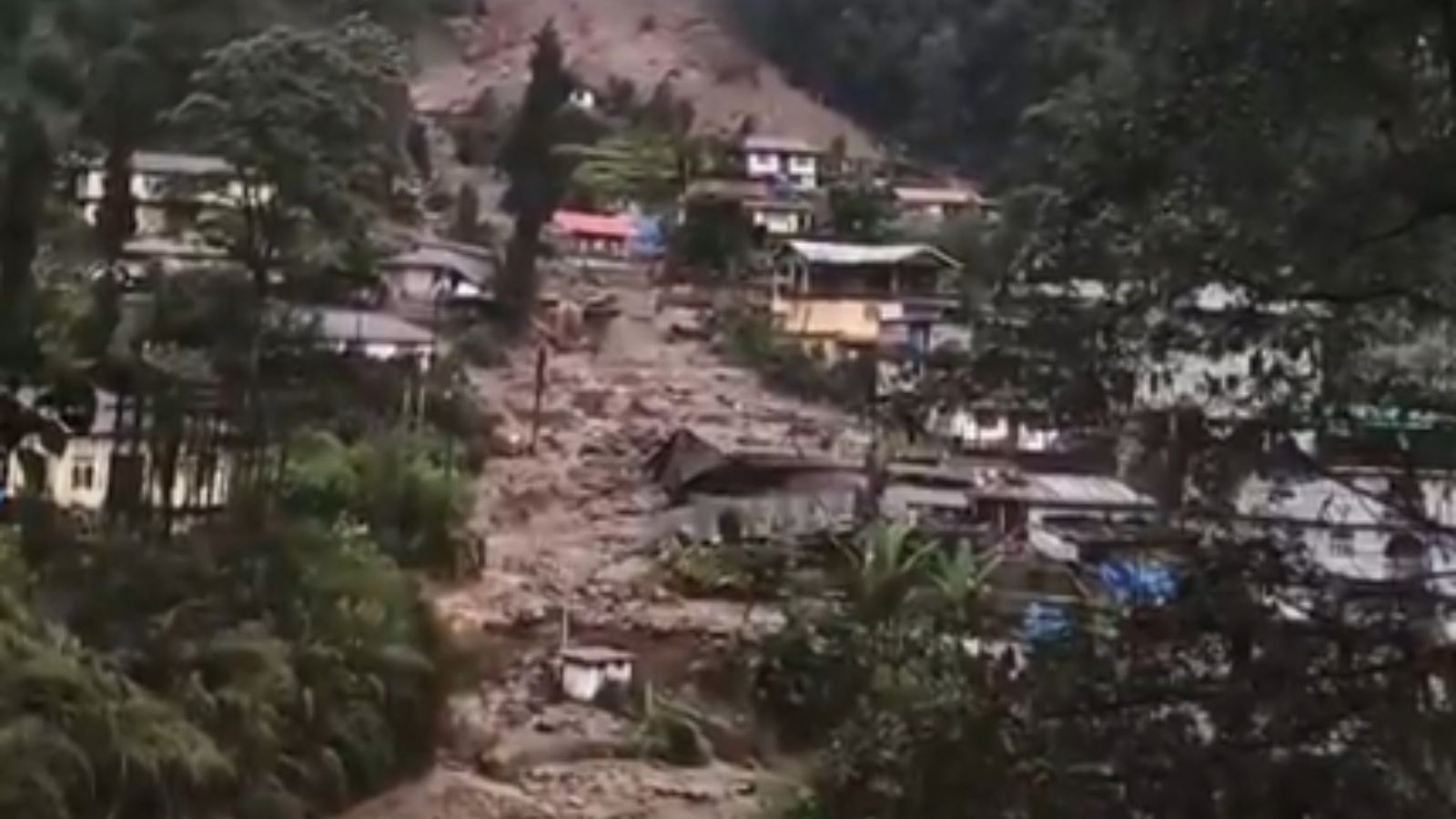
India Live Updates: Sikkim Landslide, Nepal Rain Warnings, Kedarnath Waste
Vijayawada Collects 15,000 Kg Puja Waste After Ganesh Immersions
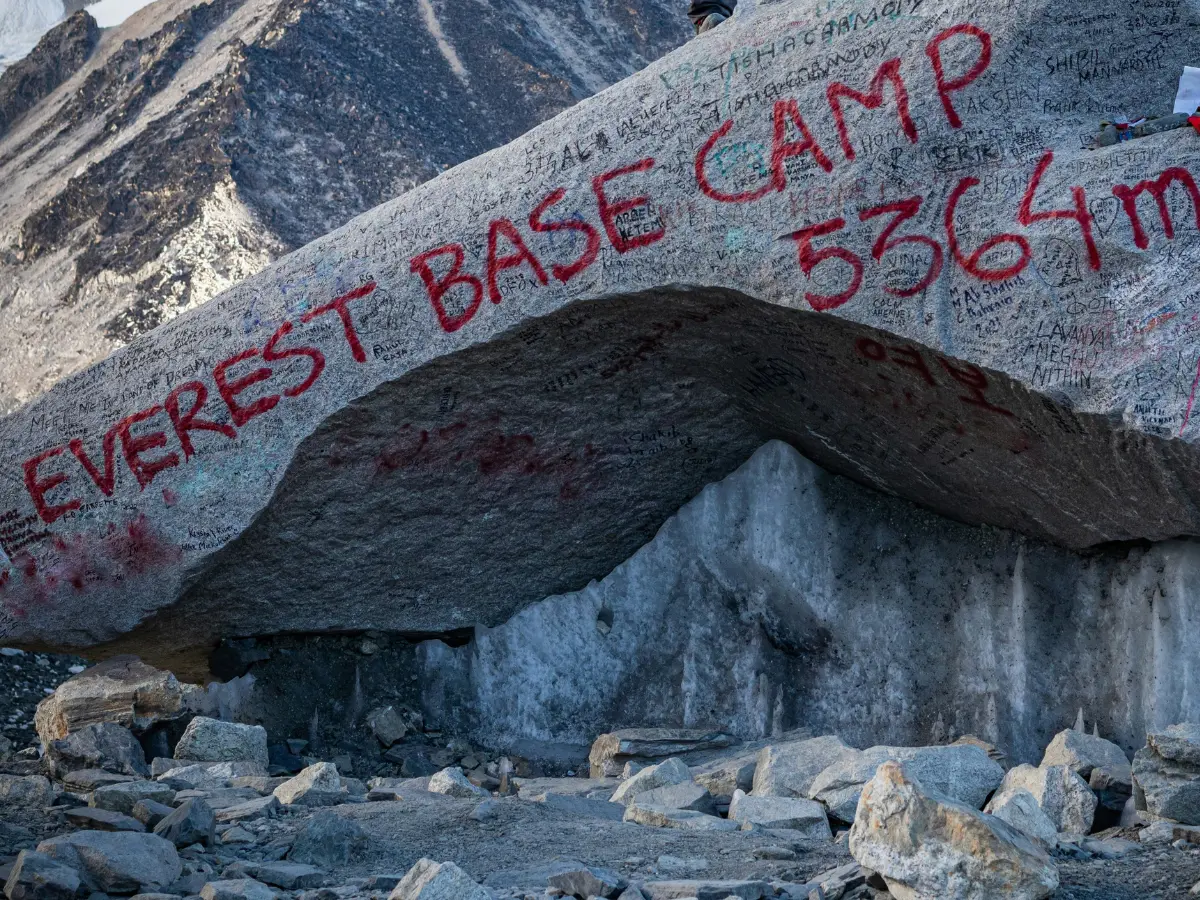
Human Urine and Fuel Use Accelerate Everest Glacier Melting

Bittu Tabahi’s Cleanup Campaign Removes Waste Across Delhi-NCR

Accenture Signs ₹269 Crore Lease For Bengaluru Office

SleepyCat Offers Mattress Consultations and Trials Across Pune, Delhi

BJP MLA Chotelal Verma Dies at 73 in Noida

Israeli Audio Manufacturing Signals a New Indian Supply-Chain Opportunity