

3 hrs ago
India Live Updates: Sikkim Landslide, Nepal Rain Warnings, Kedarnath Waste

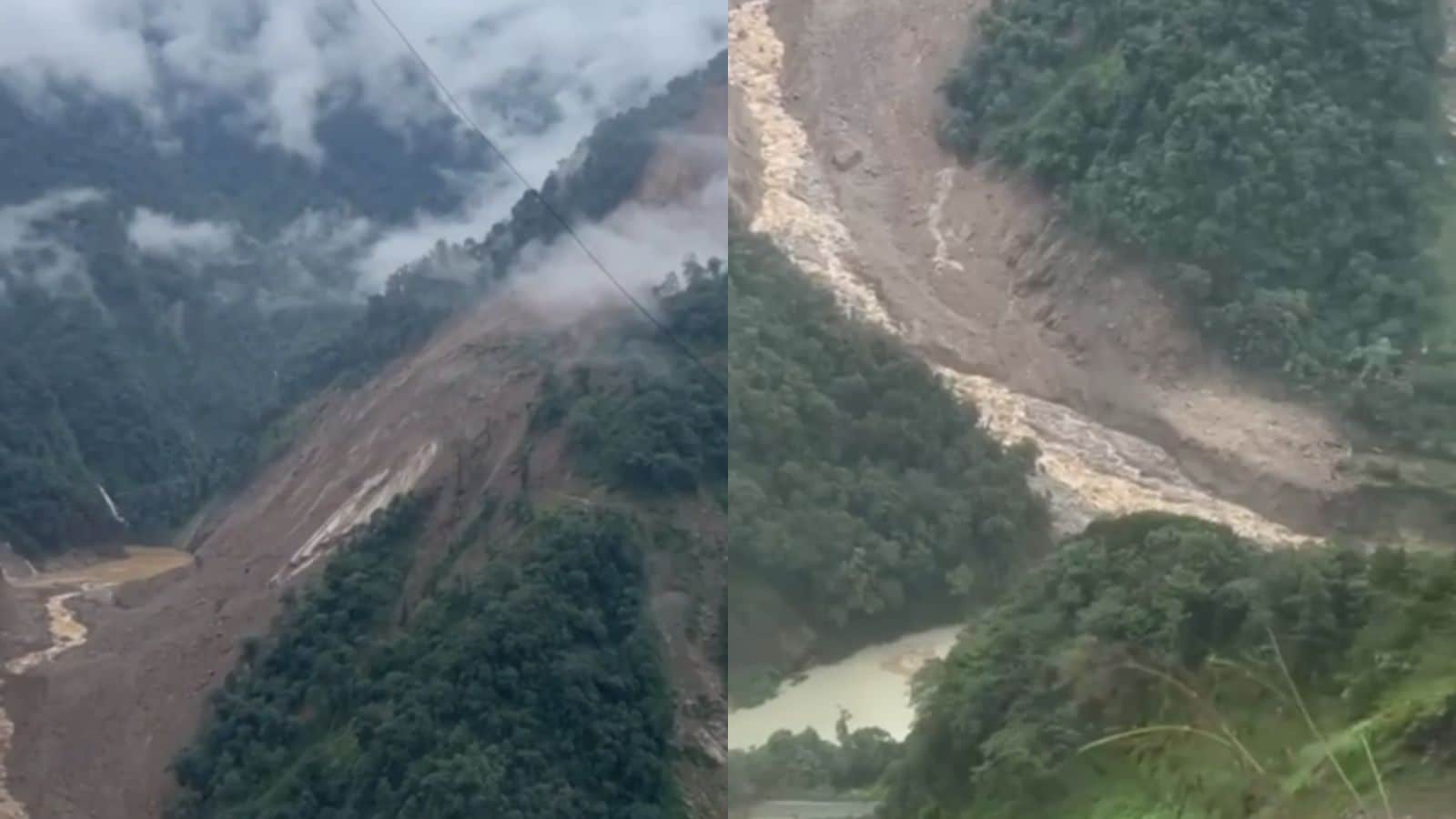
Heavy rain caused a large landslide in Rimbi village in Sikkim.
The landslide damaged many parts of the village, but no deaths have been reported.
Nepal also expects very heavy rain from September 25 to 27.
Officials there warn that rivers could rise and that floods and landslides may happen.
They asked people to avoid unnecessary travel, trekking and high-altitude trips.
Rain could also interrupt roads and flights.
Kedarnath collected much more waste in the first five months of 2026 than during all of 2025.
An environmental activist said the growing waste could put pressure on the Himalayan environment.

Continuous rainfall triggered a major landslide in Rimbi village, Sikkim, damaging the area but causing no reported deaths.
Nepal forecast heavy to very heavy rain from September 25 to 27.
Nepal authorities warned of floods, landslides, debris flows, inundation and travel disruptions.
Officials advised avoiding unnecessary long-distance and nighttime travel, trekking and high-altitude areas in Nepal.
Kedarnath generated 50.30 metric tonnes of waste between April and August 2026, including about 20 tonnes of plastic.
- Who
- Residents and authorities in Rimbi village, Nepal’s Department of Hydrology and Meteorology, Nepalese travellers, and Kedarnath’s Nagar Panchayat and pilgrims.
- What
- A rainfall-triggered landslide damaged Rimbi village; Nepal issued heavy-rain and hazard warnings; and Kedarnath reported a sharp increase in waste generation.
- Where
- Rimbi village in Sikkim’s West district, parts of Nepal, and Kedarnath Dham.
- When
- The landslide occurred on the night of September 24, 2026; Nepal’s forecast covers September 25–27; Kedarnath’s waste figures cover April–August 2026.
- Why
- Continuous rainfall caused the Sikkim landslide, while forecast heavy rain prompted Nepal’s warnings. Kedarnath’s waste increase was reported amid about 1.5 million pilgrims visiting the shrine in 2026.
Environmental concerns
Municipal capacity and processing
Impact of Kedarnath’s rising waste
Environmental concerns
An RTI activist raised concerns that waste from around 1.5 million pilgrims could put pressure on the fragile Himalayan environment.
Municipal capacity and processing
The Nagar Panchayat said 28,000 square feet remained at its 30,000-square-foot landfill and reported that 18.5 tonnes of plastic waste had been processed.
Key facts
- Sikkim landslide
- A major landslide damaged Rimbi village in West Sikkim; no loss of life was reported.
- Nepal rainfall period
- Heavy to very heavy rain is forecast from September 25 to 27, 2026.
- Nepal hazards
- Authorities warned of rising rivers, flash floods, landslides, debris flows and inundation.
- Kedarnath waste
- 50.30 metric tonnes were generated between April and August 2026.
- Plastic waste
- Around 20 tonnes of plastic waste was generated in Kedarnath during the first five months of 2026; 18.5 tonnes had been processed.
- Waste comparison
- Kedarnath generated 21.40 tonnes in all of 2025, compared with 50.30 tonnes in the first five months of 2026.
- Landfill capacity
- The Nagar Panchayat reported a 30,000-square-foot landfill, with 28,000 square feet remaining.
Sources
Related news

West Sikkim Evacuates 128 From Rimbi, 33 From Singlitam

Landslide Damages Houses in Sikkim’s Rimbi Amid Heavy Rain

Nepal Warns of Heavy Rain, Floods and Landslides

Sikkim Faces Fresh Landslides and First Snowfall Amid Heavy Rain

Heavy Rain Raises Landslide Danger Across Darjeeling and Kalimpong
Sikkim Landslide Partially Blocks Teesta, Chyakoong Rivers; Alert Issued

India Becomes Net Steel Importer During April-August Period

Nepal Seeks Grants as Glacier Flood Recovery Costs Mount

Afghanistan Face Nepal in Asian Games Group A Clash

ICAI Plans AI-Focused CA Curriculum and Global Programme

Nepal Proposes Himalayan Climate Mechanism With India and China