1 hr ago
Human Urine and Fuel Use Accelerate Everest Glacier Melting
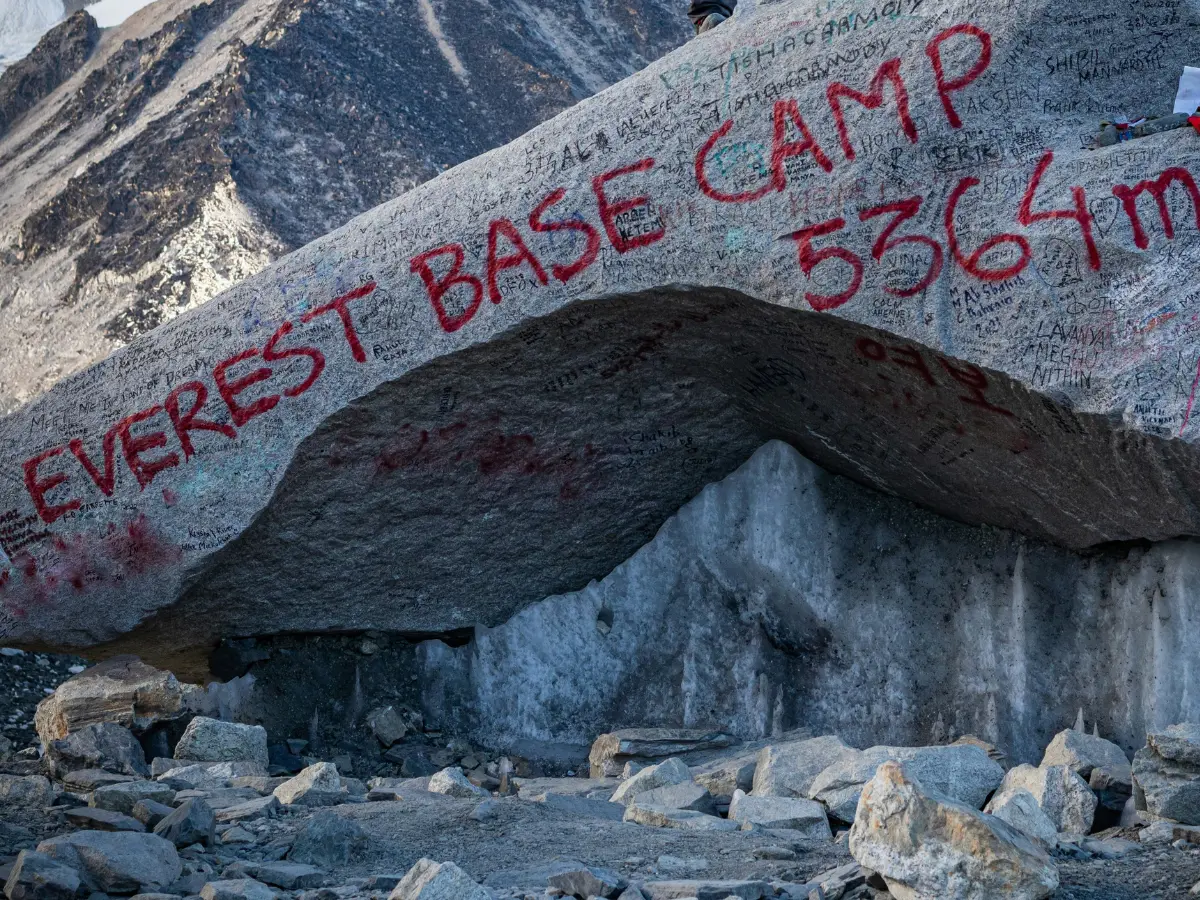
Many climbers stay at Everest Base Camp while preparing to climb Mount Everest.
The camp sits on the Khumbu Glacier, which is made of ice.
People use fuel for cooking, heating and electricity, and their bodies also produce warm urine.
Researchers studied how this extra heat affects the glacier.
They estimated that urine contributed to melting about 154 tons of ice during the 2023 climbing season.
However, fuel use caused much more human-related melting than urine.
The researchers said fuel was responsible for about 94% of the human contribution, while urine accounted for 6%.
The study also said temperatures at the base camp are rising quickly.
Scientists are concerned that these changes could increase risks in the Himalayas.

Researchers estimated that climbers produced nearly 6,766 litres of urine daily during the 2023 Everest season.
Heat from urine was estimated to contribute to the melting of 154 tons of glacier ice.
Fuel used at Everest Base Camp caused about 94% of human-related melting, while urine caused 6%.
Base Camp activities used 824 LPG cylinders, 18,935 litres of kerosene and 5,130 litres of gasoline in 2023.
Scientists reported that Khumbu Glacier surface temperatures at Base Camp are rising by about 0.28°C annually.
- Who
- Nepalese and American scientists, including Khim Lal Gautam, studied the effects of climbers and Base Camp activities.
- What
- The study examined how urine and fuel use at Everest Base Camp contribute to melting the Khumbu Glacier.
- Where
- Everest Base Camp, which is located on the Khumbu Glacier on Mount Everest in Nepal.
- When
- The estimates focus on the 2023 climbing season; the study was published in Regional Environmental Change.
- Why
- Climbers require water and Base Camp facilities use fuel for cooking, heating and electricity, generating heat that can reach the glacier.
Key facts
- Urine produced daily
- Nearly 6,766 litres during the 2023 climbing season
- Ice loss attributed to urine heat
- An estimated 154 tons
- Fuel-related share of human melting
- About 94%
- Urine-related share of human melting
- About 6%
- LPG used
- 824 cylinders
- Kerosene used
- 18,935 litres
- Gasoline used
- 5,130 litres
- Base Camp temperature increase
- About 0.28°C per year
Sources
Related news

Himalayan Glacier Loss Raised Nepal Flood Disaster Risks

Himalayan glacial lakes face urgent risk as melting accelerates
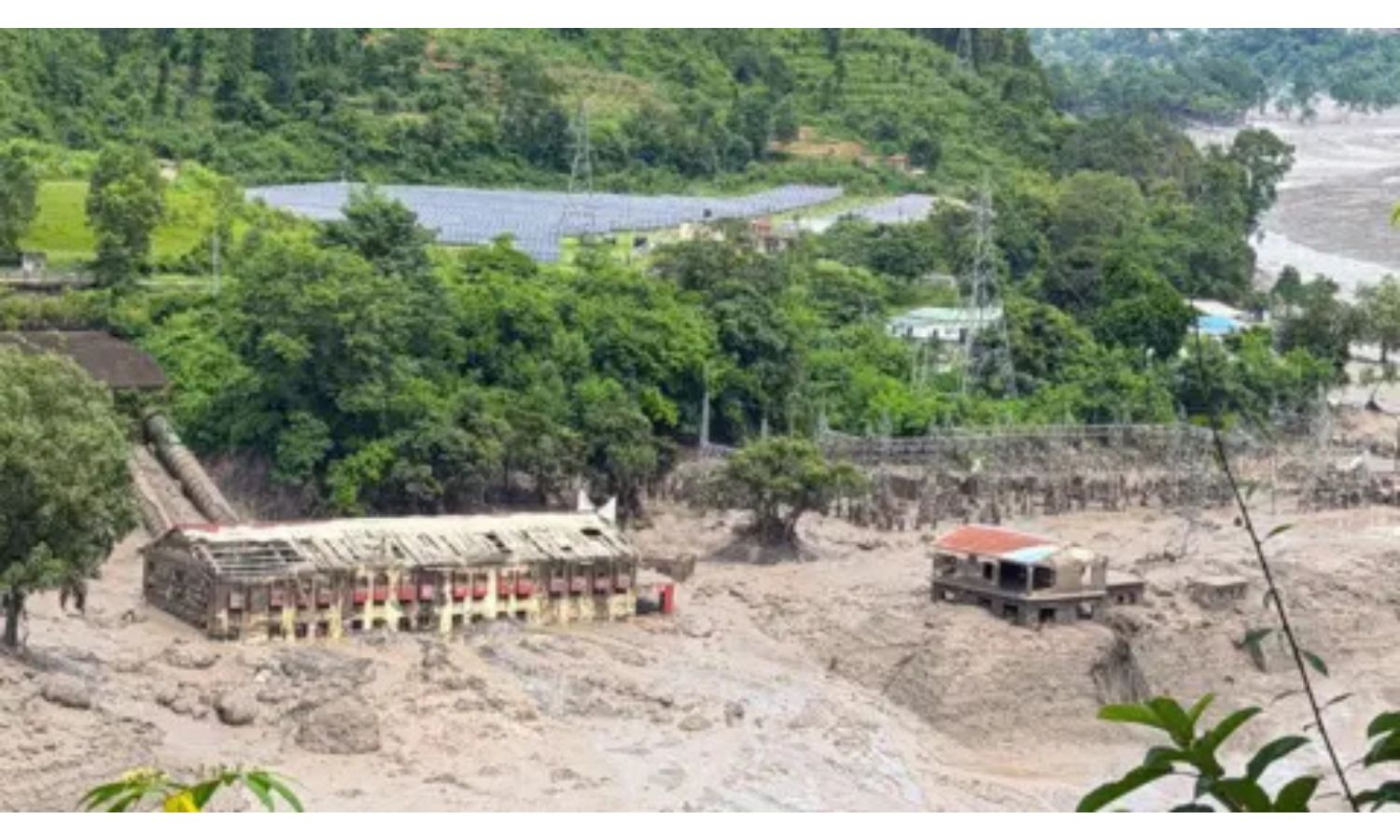
Reported Glacial Collapse Triggers Catastrophic Flooding Across Nepal-Tibet Border Region
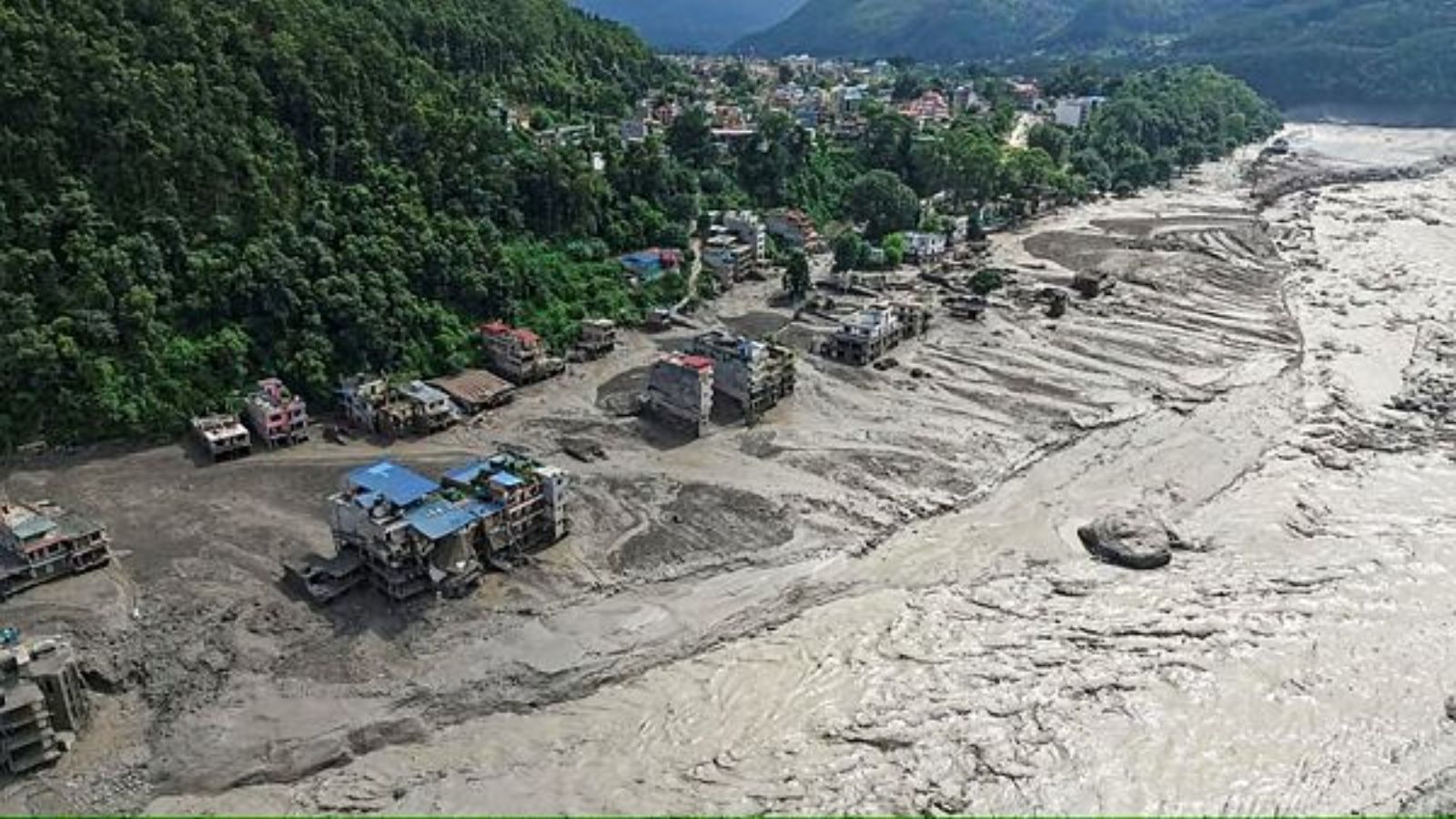
Bhote Koshi Flood Exposes Growing Himalayan Climate Risks
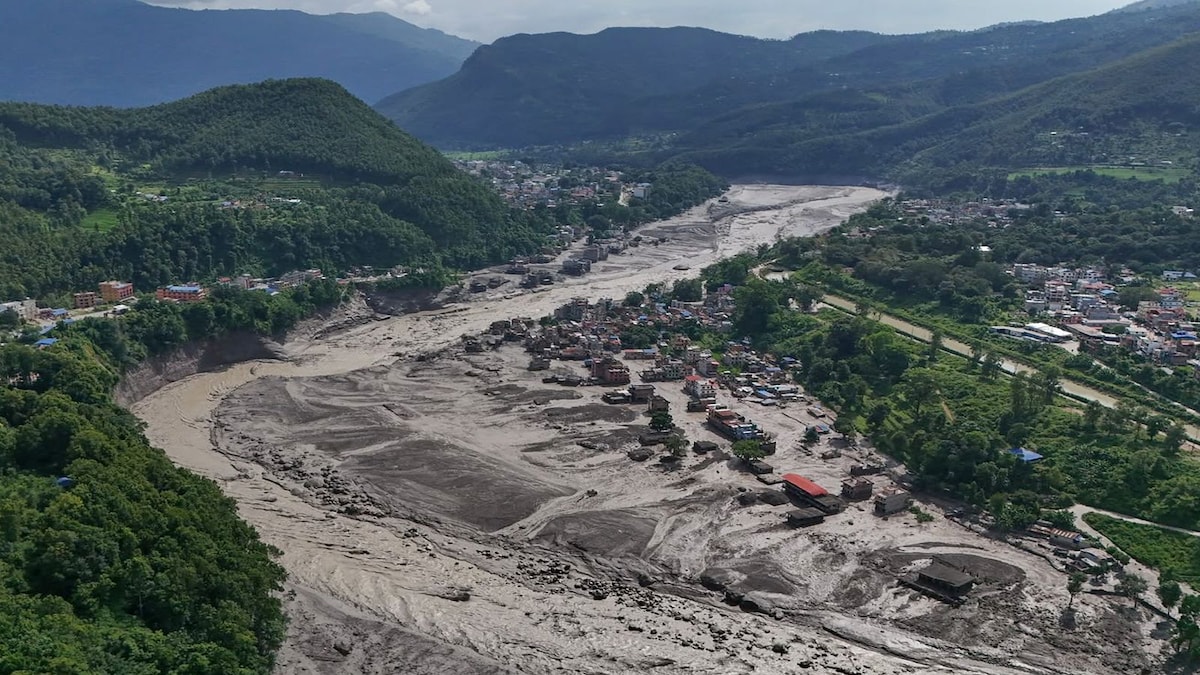
Scientists Examine Glacier Collapse Behind Nepal Flood Hazards

Nepal Flash Floods Expose Glacier Risks Amid Climate Concerns
Nepal Seeks Climate Reparations While Facing Its Own Responsibility

Nepal Calls Climate Justice A Top National Priority

Everest Mountaineer Dhakpa Tenzin Dies on China Border Duty
Indian Mother Shivani Mehrotra Scales Mount Elbrus, Eyes Everest