

2 hrs ago
Srisailam Reservoir Levels Fall, Raising Irrigation and Drinking Water Concerns
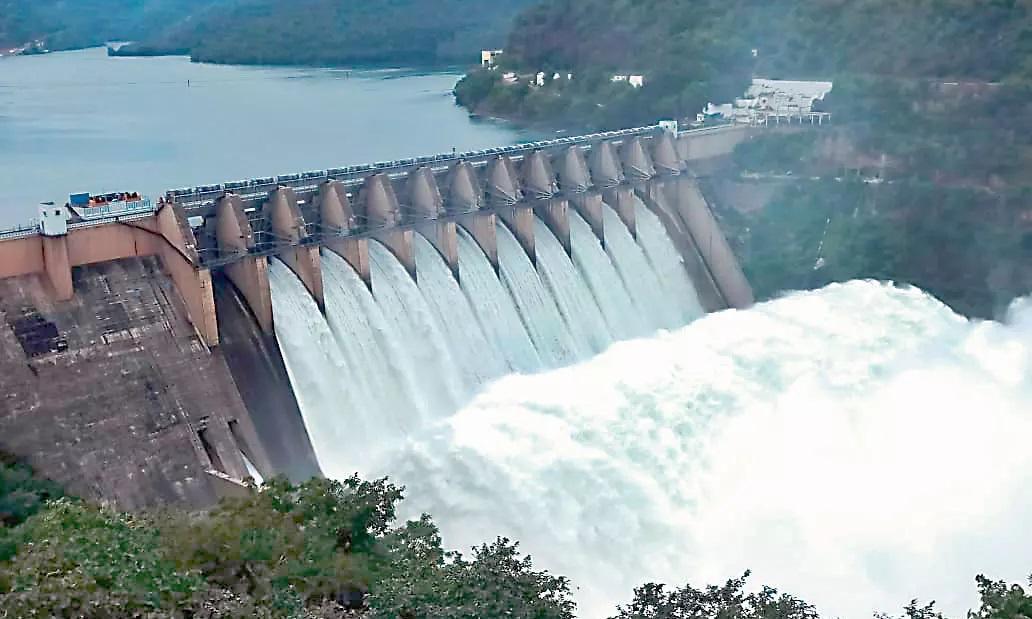
The Srisailam Reservoir is a large water store used by Andhra Pradesh and Telangana.
Its water level is falling because little rain has added new water.
About 139 TMC remains, which is much less than the reservoir can hold.
Telangana is using some water to make electricity.
Andhra Pradesh is using water mainly to supply drinking water.
Farmers also need water, but officials say drinking water should come first.
Dry village ponds and weak rainfall have already hurt cotton crops.
More substantial rain may be needed to reduce the uncertainty.

Srisailam Reservoir storage fell to about 139 TMC, with its level at 869.50 feet against the 885-foot full reservoir level.
The reservoir received 213.22 TMC this season, while 112.85 TMC has been used or lost, and no new inflows were reported after poor August rainfall.
Telangana drew about 20,625 cusecs for power generation, while Andhra Pradesh used water mainly for drinking-water schemes and related outlets.
Officials warned that the remaining water should be conserved primarily for drinking needs rather than extensive irrigation or continued power generation.
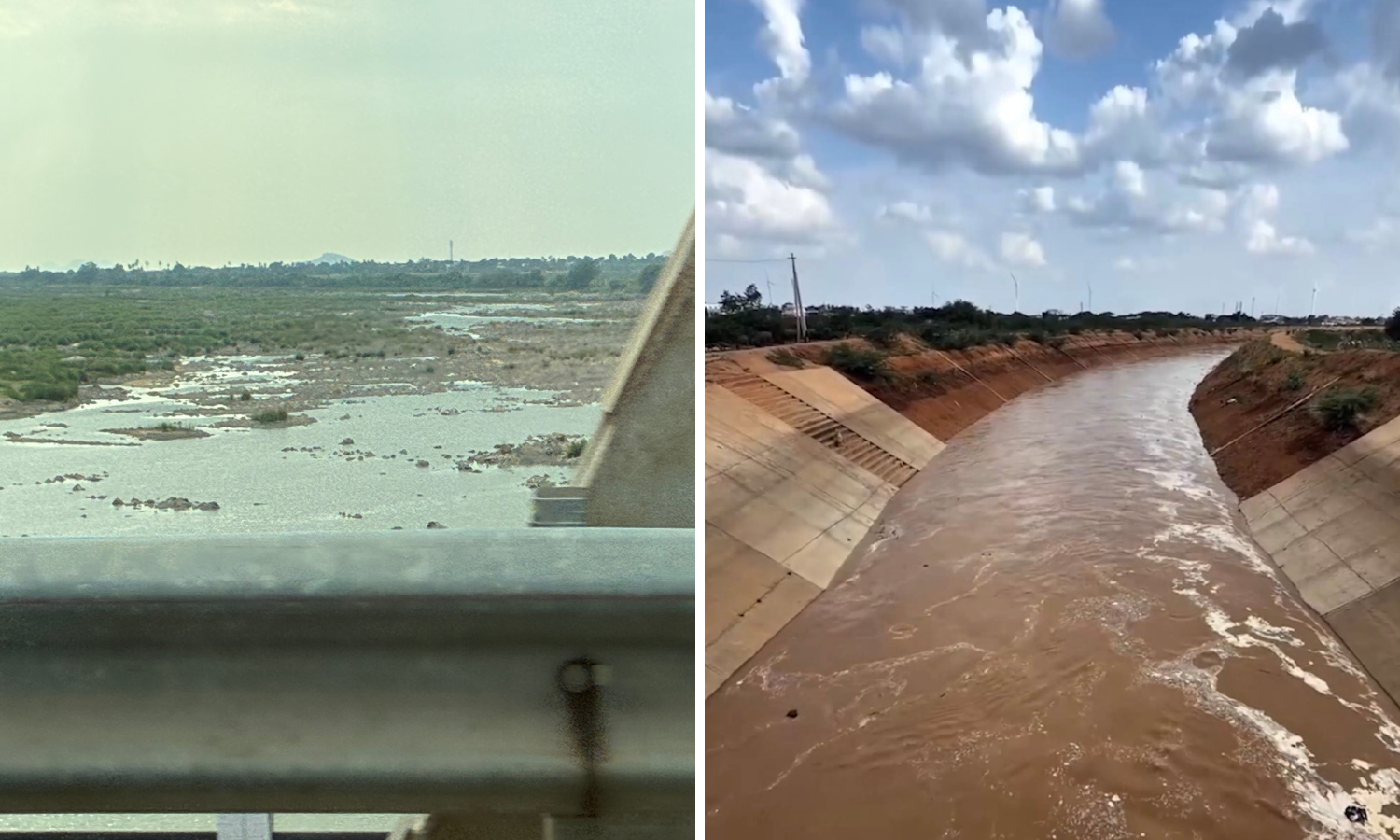
Dry conditions have damaged cotton crops in Kurnool and Nandyal districts, while villages increasingly depend on groundwater and reservoir supplies.
- Who
- Andhra Pradesh and Telangana, along with officials of the Krishna River Management Board, are involved in decisions over the reservoir’s water.
- What
- Srisailam Reservoir levels are declining, prompting concern over drinking-water, irrigation and power-generation needs.
- Where
- Srisailam Reservoir and surrounding areas in Andhra Pradesh and Telangana, including Kurnool and Nandyal districts.
- When
- The reported measurements and withdrawals were recorded on Saturday; a related Krishna River Management Board meeting took place on Friday, September 4.
- Why
- Poor rainfall in August caused inflows to stop while water continued to be used for drinking water, irrigation-related schemes and power generation.
Conservation and drinking-water priority
Irrigation, power and state-share demands
How remaining water should be used
Conservation and drinking-water priority
Krishna River Management Board officials and Andhra Pradesh irrigation officials said limited supplies should be conserved primarily for drinking water and not exhausted prematurely.
Irrigation, power and state-share demands
Farmers and irrigation-dependent areas need water for crops, while Telangana continued drawing water for power generation and Andhra Pradesh sought its stated 66% share.
Immediate water needs
Conservation and drinking-water priority
Officials argued that the prevailing conditions do not support extensive irrigation releases or continued power generation because there are no new inflows.
Irrigation, power and state-share demands
Agricultural areas, particularly in Rayalaseema, face irrigation needs, and cotton crops in Kurnool and Nandyal have reportedly withered after the dry spell.
Key facts
- Current storage
- About 139 TMC
- Current water level
- 869.50 feet
- Full reservoir level
- 885 feet
- Seasonal inflow
- About 213.22 TMC
- Total water utilised or lost
- 112.85 TMC, including evaporation losses
- Saturday outflow
- 37,521 cusecs
- Andhra Pradesh request
- 66% of the water share under the 66:34 ratio; no decision was taken at the cited board meeting
Quotes
S. Kabeer
Chief engineer of the Kurnool Irrigation department
“We have sought 66 per cent of the share of water due to Andhra Pradesh under the 66:34 ratio. However, no decision has been taken on this at the board meeting on Friday, September 4.”
 deccanchronicle.com
“Our concern is to ensure that the available resources are not exhausted prematurely.”
deccanchronicle.com
Sources
Related news
Srisailam Reservoir Storage Falls as Irrigation Concerns Grow
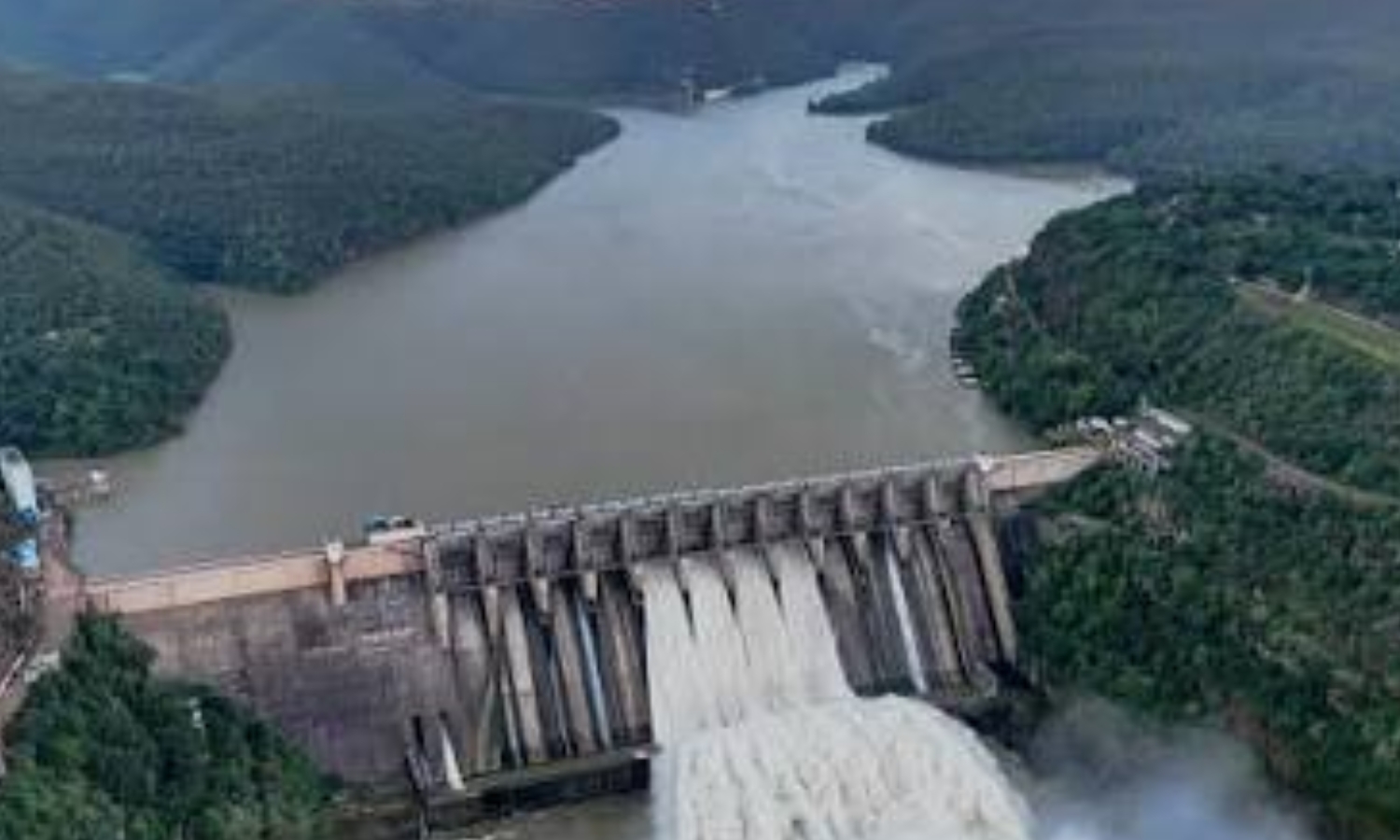
Andhra Pradesh Seeks Halt to Srisailam Power Generation
Srisailam Hydel Generation Review Weighs Drinking Water Priority
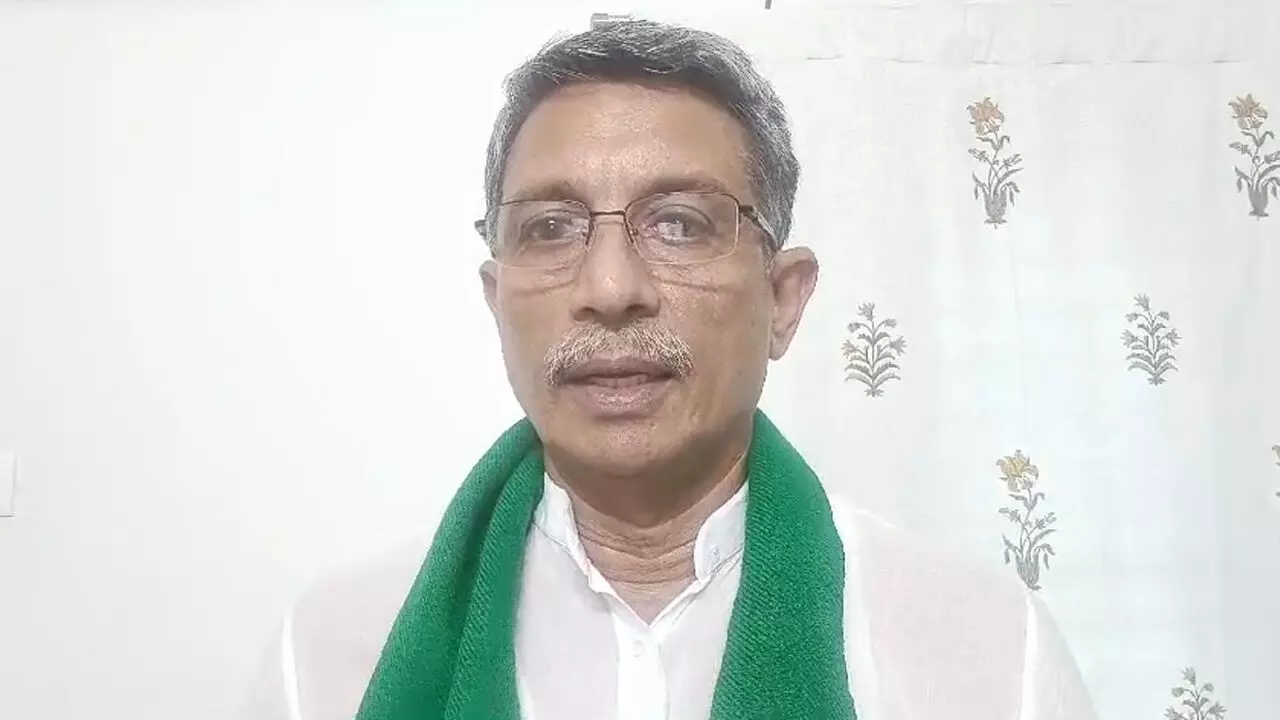
Samithi Warns Srisailam Depletion Could Hurt Rayalaseema Water Needs
Srisailam Power Generation Drawal Raises Drinking Water Concerns

KRMB convenes Aug 13 meet on Krishna irrigation crisis

Krishna Water Set to Reach Erstwhile Chittoor After September 10

Collector Orders HNSS Water Measures for Madanapalle Drinking Needs
Rayalaseema Farmers Seek Water as Crops Face Withering Risk
