1 day ago
Rayalaseema’s Ancient Heritage Faces Growing Neglect and Vandalism

Rayalaseema has many very old paintings, writings, temples and sculptures.
Some rock paintings were made thousands of years ago by early humans.
At Ketavaram and Budagavi, these paintings show animals, people and patterns.
Visitors have damaged some paintings by writing or scratching on the rocks.
Weather and neglect are also slowly harming the sites.
The article says authorities should provide protection, research, signs and safe visitor facilities.
Local people could help conserve the sites by working as guides and supporting responsible tourism.
Experts, universities and government departments should work together.
Protecting these places helps future generations learn about their history.

Rayalaseema contains prehistoric rock art, Ashokan edicts, temples, forts, sculptures and megalithic monuments.
Ketavaram’s prehistoric paintings, estimated at 10,000–6,000 BCE, face vandalism and inadequate facilities.
Budagavi’s Mesolithic and Neolithic rock art lacks systematic research, documentation and conservation.
Anantapur and Kurnool districts contain numerous neglected, damaged or reportedly stolen heritage objects and sites.
Experts call for digital documentation, security, scientific conservation and cooperation toward potential UNESCO recognition.
- Who
- Government agencies, archaeological authorities, local bodies, experts, universities, historians and local communities are identified as responsible stakeholders.
- What
- Rayalaseema’s archaeological and cultural heritage is facing neglect, vandalism, deterioration and inadequate conservation.
- Where
- The concerns cover Rayalaseema, including Ketavaram and Budagavi, as well as heritage sites across Kurnool and Anantapur districts.
- When
- The heritage spans periods from prehistoric times and the 3rd century BCE to the Vijayanagara period; current protection is described as inadequate.
- Why
- The article calls for action to prevent the loss of rock paintings, inscriptions, sculptures and other historical evidence.
Key facts
- Ketavaram rock art
- Located in Orvakal Mandal in Kurnool district; paintings are believed to date to approximately 10,000–6,000 BCE.
- Ketavaram subjects
- Paintings depict deer, bulls, foxes, rabbits, turtles, reptiles, other animals and human figures.
- Ashokan edicts
- Inscriptions in the Erragudi region date to the 3rd century BCE and use Prakrit and Brahmi.
- Budagavi evidence
- Rock shelters near Uravakonda contain material associated with the Mesolithic and Neolithic periods.
- Reported theft
- The article refers to the reported theft of the Krishna-Satya sculpture at Salakam Cheruvu.
- Proposed documentation
- The article recommends geo-tagging sites and creating a digital heritage register.
- Proposed cooperation
- The State Archaeology Department, Archaeological Survey of India, universities, historians, archaeologists and local bodies are urged to collaborate.
Sources
Related news
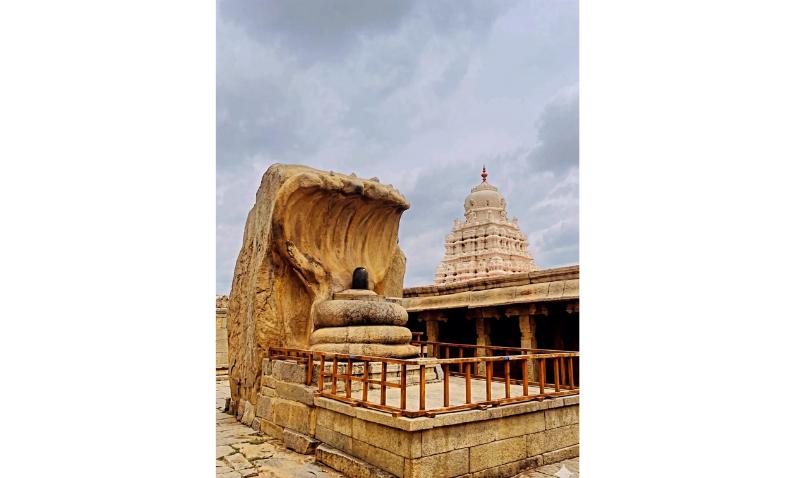
Centre urged to secure UNESCO status for Lepakshi, Gandikota
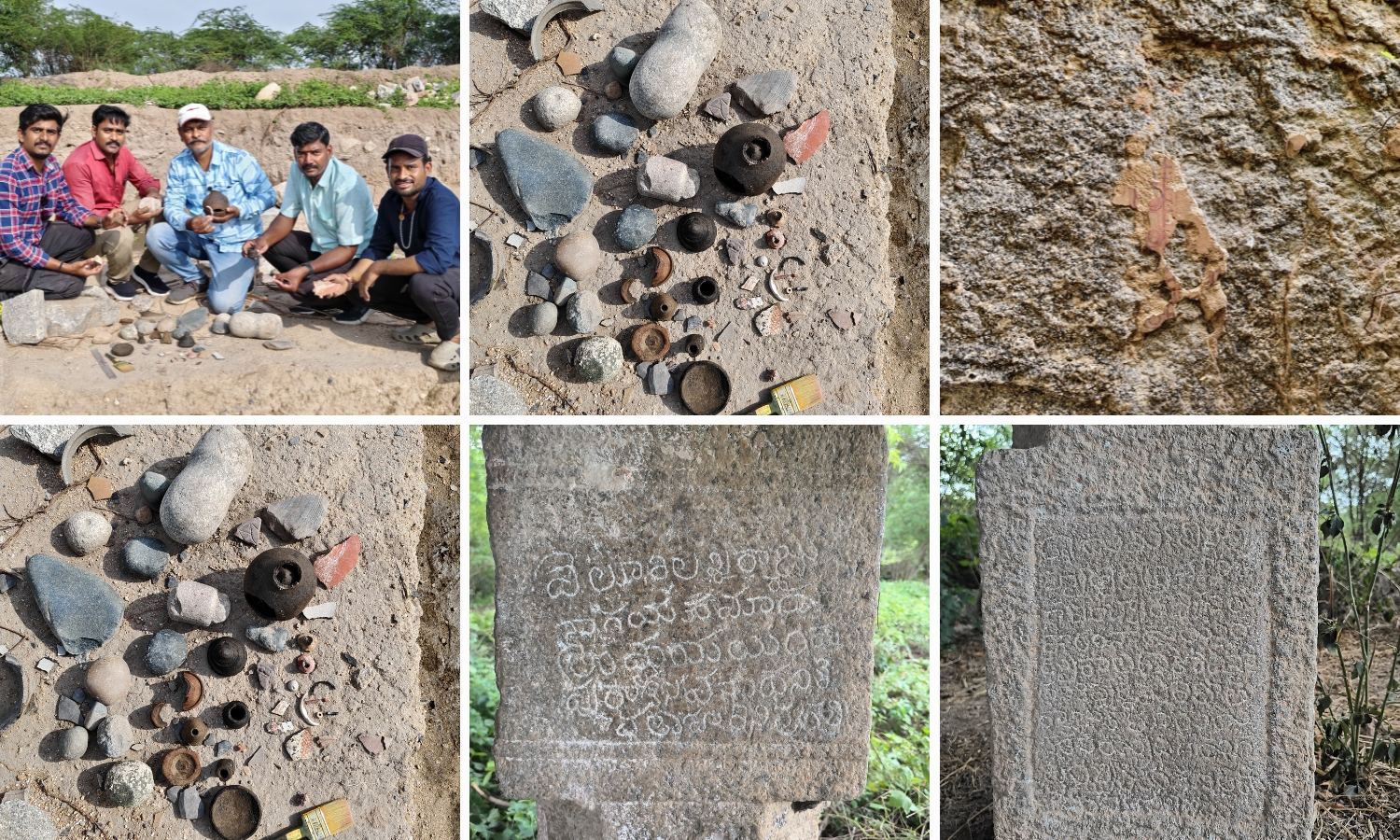
10,000-Year-Old Rock Art and Caves Found at Indrapalanagaram
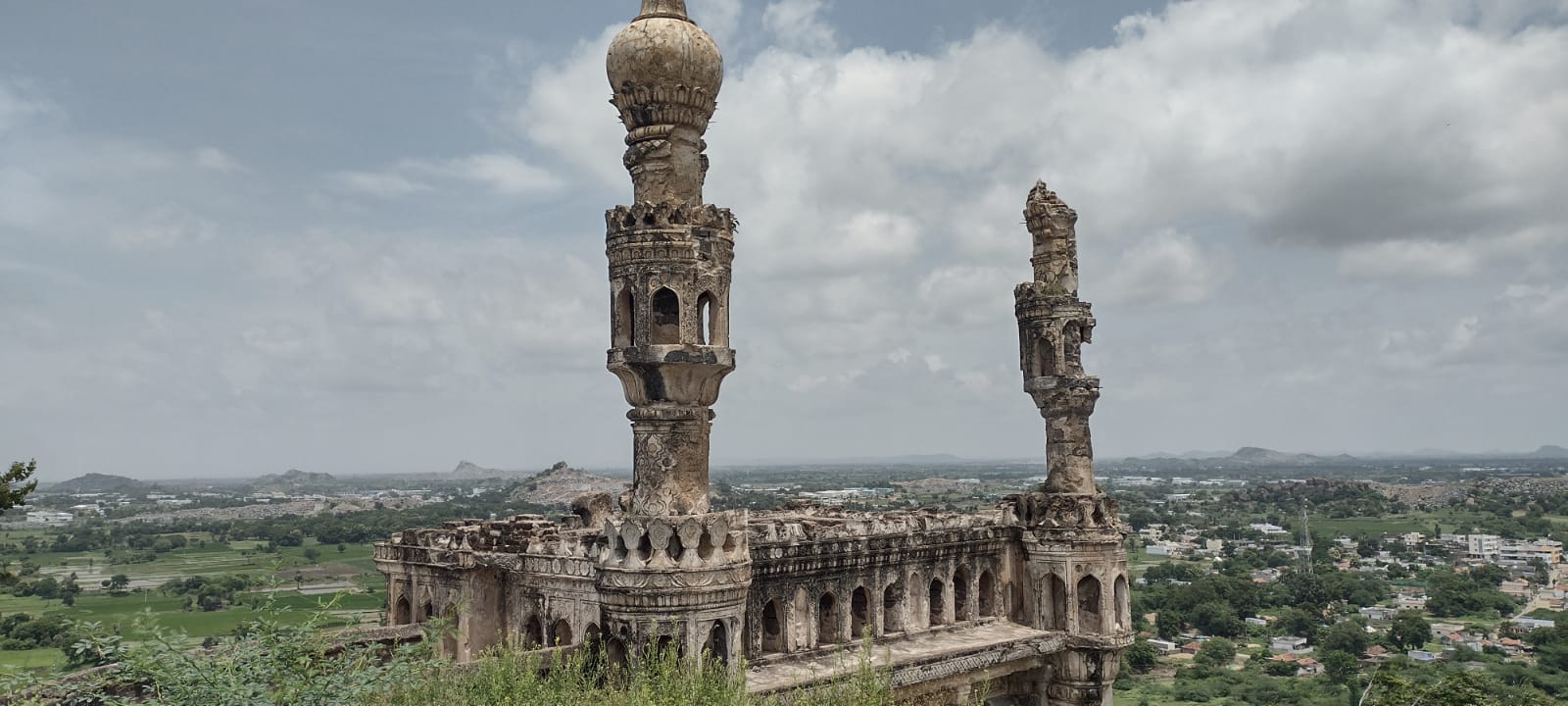
Historic forts in erstwhile Karimnagar district left to decay
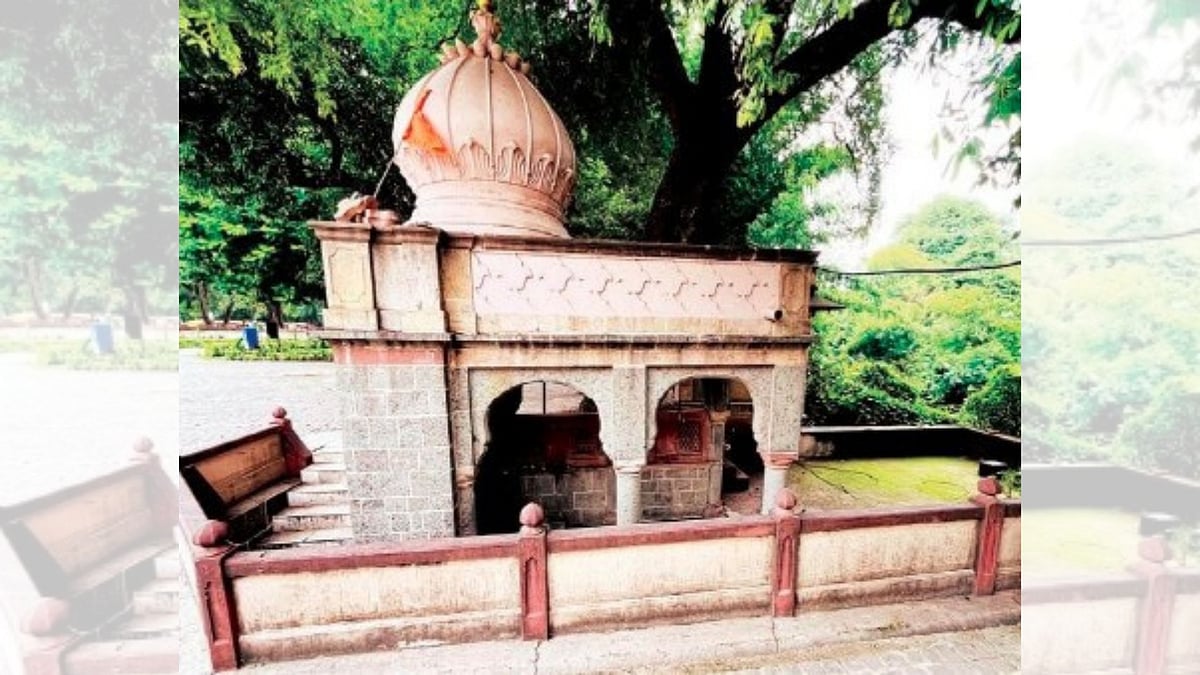
Ancient Shiva Temples and Champa Bavdi Await Restoration
IB Detains Shivtek Safety Officer Amid 2016 Blast Concerns
Police Block YSRCP Rythu Shankharavam Rally in Nandyal
Devotees Gather for Centuries-Old Scorpion Festival in Kodumur

Bharath Names Kurnool Urban Development Government’s Top Priority

Essential Commodity Prices Rise Across Andhra Pradesh