2 hrs ago
Former Election Commissioner Calls Electoral Roll Revision Unfair Despite Legality

Ashok Lavasa, a former election commissioner, is worried about a process called the Special Intensive Revision, or SIR.
SIR changes and checks the list of people allowed to vote.
Lavasa said the process may be legal but can still be unfair.
He questioned why 13 crore names were deleted from voter lists.
He also asked whether officials were doing enough to help people keep their voting rights.
He said unfair changes could make more people lose trust in elections.
The Election Commission said its local workers found some people from Bangladesh, Nepal and Myanmar who might not qualify to vote.
However, officials did not provide numbers or proof, and opposition parties said the process could be used against some voters.

Former Election Commissioner Ashok Lavasa called the ongoing Special Intensive Revision an unfair procedure despite its legal validation.
Lavasa questioned the deletion of 13 crore names and whether authorities had taken enough steps to prevent voter alienation.
He said institutions must uphold the spirit of the law, not only its legally permissible wording.
Lavasa warned that large-scale roll changes could further disenchant citizens, while 33% of people already do not vote.
Opposition parties alleged the revision could target voters not aligned with the Bharatiya Janata Party and its allies, while election officials cited possible ineligible nationals without providing numbers or proof.
- Who
- Former Election Commissioner Ashok Lavasa criticised the Special Intensive Revision; the Election Commission, government, judiciary and opposition parties are involved in the wider debate.
- What
- Lavasa called the electoral-roll revision legally valid but unfair and questioned the deletion of 13 crore names.
- Where
- Lavasa made the remarks in New Delhi at the Jagdeep Singh Chhokar Memorial Lecture.
- When
- During the ongoing Special Intensive Revision; Lavasa spoke at a lecture on Thursday.
- Why
- He said authorities must protect the spirit of the law and prevent voter alienation and declining trust in democracy.
Critics of the Revision
Authorities and Supporters of Its Legality
Legality versus fairness
Critics of the Revision
Ashok Lavasa said a procedure can be legally valid yet unfair, and institutions should follow the spirit as well as the letter of the law.
Authorities and Supporters of Its Legality
The government has called the exercise legal, and the judiciary has validated it.
Voter deletions
Critics of the Revision
Lavasa questioned the deletion of 13 crore names and warned that the process could alienate or disenchant voters.
Authorities and Supporters of Its Legality
Authorities proceeded with the electoral-roll revision, while the article does not provide their explanation for the 13 crore deletions.
Purpose of the exercise
Critics of the Revision
Opposition parties alleged that the revision could target electors who do not support the Bharatiya Janata Party and its allies.
Authorities and Supporters of Its Legality
Election Commission officials said their grassroots-level workers found nationals from Bangladesh, Nepal and Myanmar who might not be eligible to remain on the rolls, but the authority did not provide numbers or proof.
Key facts
- Speaker
- Ashok Lavasa, former Election Commissioner
- Process
- Special Intensive Revision of electoral rolls
- Names questioned
- 13 crore names were reportedly deleted from electoral rolls
- Voting participation
- The article says 33% of people do not vote
- Legal status
- The judiciary has validated the exercise and the government has described it as legal
- Election Commission claim
- Officials said grassroots-level functionaries found nationals from Bangladesh, Nepal and Myanmar who might not be eligible to be on the rolls
- Evidence disclosed
- The Election Commission did not share numbers or proof of the alleged ineligible nationals
Quotes

Ashok Lavasa
Former Election Commissioner of India
“Of course it is legal. But is it fair? That is the question. Because that is what justice is all about.”
 rediff.com
Sources
Related news
Electoral Roll Purge Draws Warning Over India’s Voting Rights

Godda Form 7 Dispute Raises National SIR Deletion Concerns

Prakash Raj Announces Karnataka Protest Over Voter Roll Deletions
Rahul Gandhi Challenges Maharashtra Roll After 2.07 Crore Exclusions

Civil groups urge Karnataka CM to intervene in SIR process
Questions Mount Over Bangladesh Police Rangpur Family Murder Probe
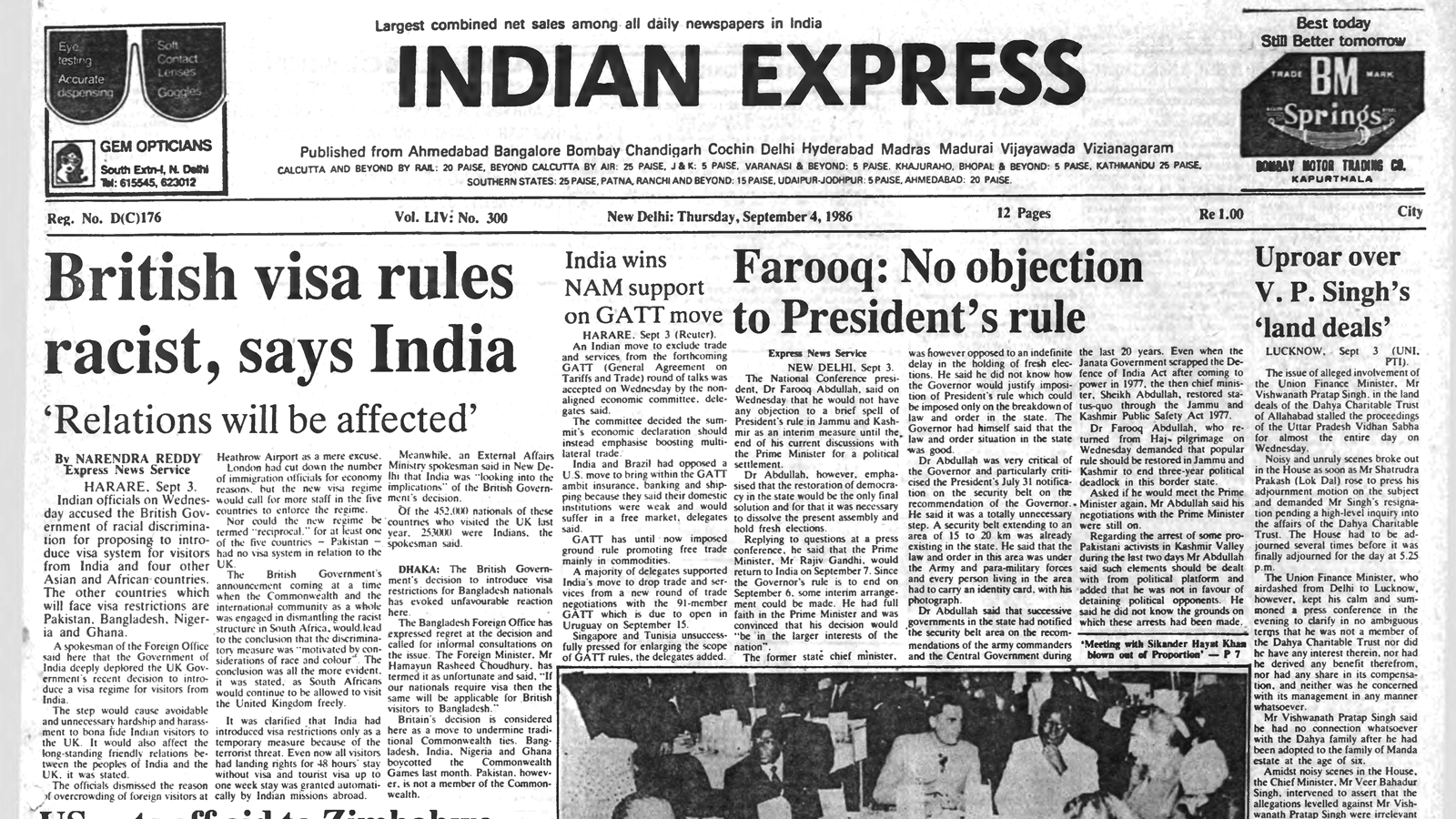
India Challenges UK Visa Rules as Regional Political Disputes Intensify

India’s U-20 Asian Cup Qualification Hinges on Bangladesh Match
Centre Approves Four-Lane Highway Through Strategic Siliguri Corridor