1 hr ago
How to Eat Well While Taking GLP-1 Medications
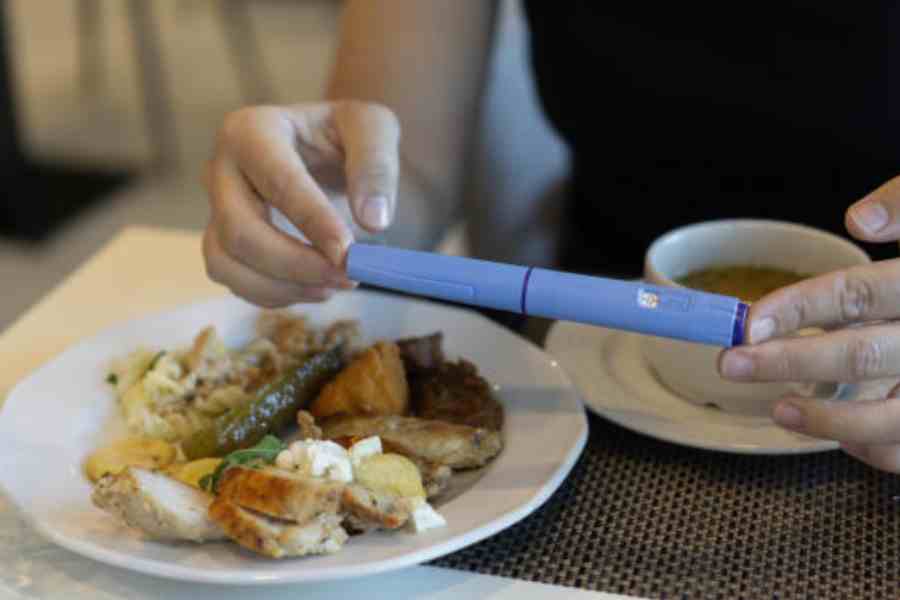
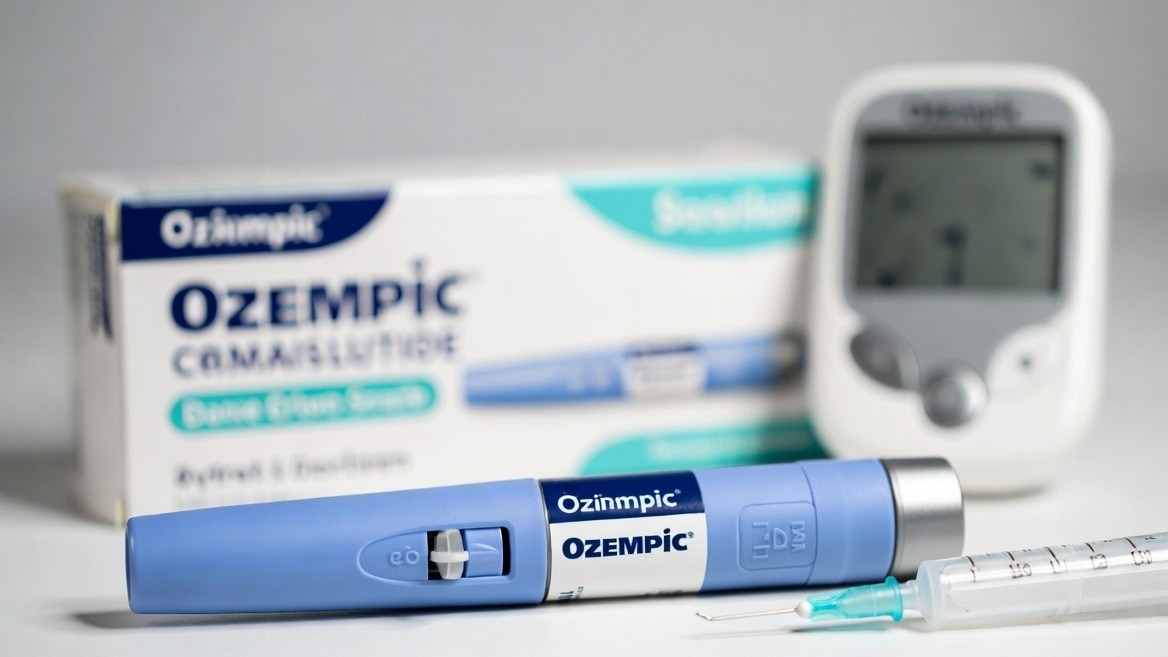
GLP-1 medicines can make people feel less hungry and help with weight loss.
But eating less can also make it harder to get enough important nutrients.
The article says people should try to eat protein-rich foods and do strength exercises to help keep their muscles strong.
Small meals can be useful when large meals feel uncomfortable.
Drinking water is especially important if someone has nausea, constipation or diarrhoea.
Foods may need to be adjusted for a short time when the stomach feels upset.
Fibre should be increased slowly if constipation is a problem.
The main goal is not just to eat less, but to make the food eaten as healthy and nourishing as possible.

GLP-1 medications can reduce appetite, making it harder to consume enough protein, fibre, fluids and micronutrients.
Protein and resistance training can help support muscle during weight loss, with recommendations individualized to each person’s health needs.
Small, nutrient-dense meals may be easier to manage when appetite is low or nausea occurs.
Constipation, diarrhoea and other digestive symptoms may require gradual fibre changes, hydration and simpler foods temporarily.
The article encourages using reduced cravings to build healthier eating habits rather than focusing only on eating fewer calories.
- Who
- Adults using GLP-1 medications, particularly those undergoing active weight loss.
- What
- Guidance on maintaining protein, fibre, hydration, micronutrients and balanced eating during GLP-1 therapy.
- Where
- The article does not specify a particular location for the guidance.
- When
- During GLP-1 treatment, especially when therapy begins, doses increase or gastrointestinal symptoms occur.
- Why
- Reduced appetite and digestive side effects can make it difficult to consume adequate nutrition and preserve muscle during weight loss.
Key facts
- Protein target
- Current expert recommendations cited in the article suggest at least around 1.2 grams of protein per kilogram of body weight daily for many adults undergoing active weight loss, with individualization needed.
- Example protein amount
- For a 70-kilogram person, the article gives approximately 84 grams of protein per day as a starting point.
- Protein sources
- Suggested options include eggs, Greek yoghurt, cottage cheese, paneer, fish, chicken, lean meat, tofu, tempeh, soy, dals, beans, chickpeas and edamame.
- Muscle support
- Protein and regular resistance training are described as important companions to GLP-1 therapy.
- Common digestive effects
- Nausea, constipation, diarrhoea and bloating may occur, particularly around treatment initiation or dose increases.
- Hydration advice
- The article recommends drinking water regularly and sipping throughout the day if large amounts cause uncomfortable fullness.
- Nutritional assessment
- Nutritional assessment and blood testing may help determine whether supplementation is needed for people with restricted diets, major reductions in food intake, deficiency symptoms or relevant medical risks.
Sources
Related news
GLP-1 Therapy Drives Demand for Convenient Protein Supplements

GLP-1 Friendly Food Label Sparks Debate Over Diet Culture
Low Protein Intake May Show Signs Beyond Muscle Loss

Pia Trivedi recalls extreme diet for swimsuit calendar shoot

Mira Kapoor Steps Back From Strict Protein Tracking

Actor Manmeet Singh Reveals 61-Kilogram Weight Loss And Health Improvements

US Drug Prices Fall at Fastest Rate in 63 Years

Hollywood Abandons Body Positivity as Thinness Returns to Fashion

Study Links Ozempic-Like Drugs to Increased Hair Loss Risk