

2 weeks ago
Hollywood Abandons Body Positivity as Thinness Returns to Fashion
For a while, Hollywood told people to love their bodies no matter their size.
Famous people like Lizzo, Ashley Graham, and Jameela Jamil talked about body positivity.
Now, it seems Hollywood wants very thin bodies again.
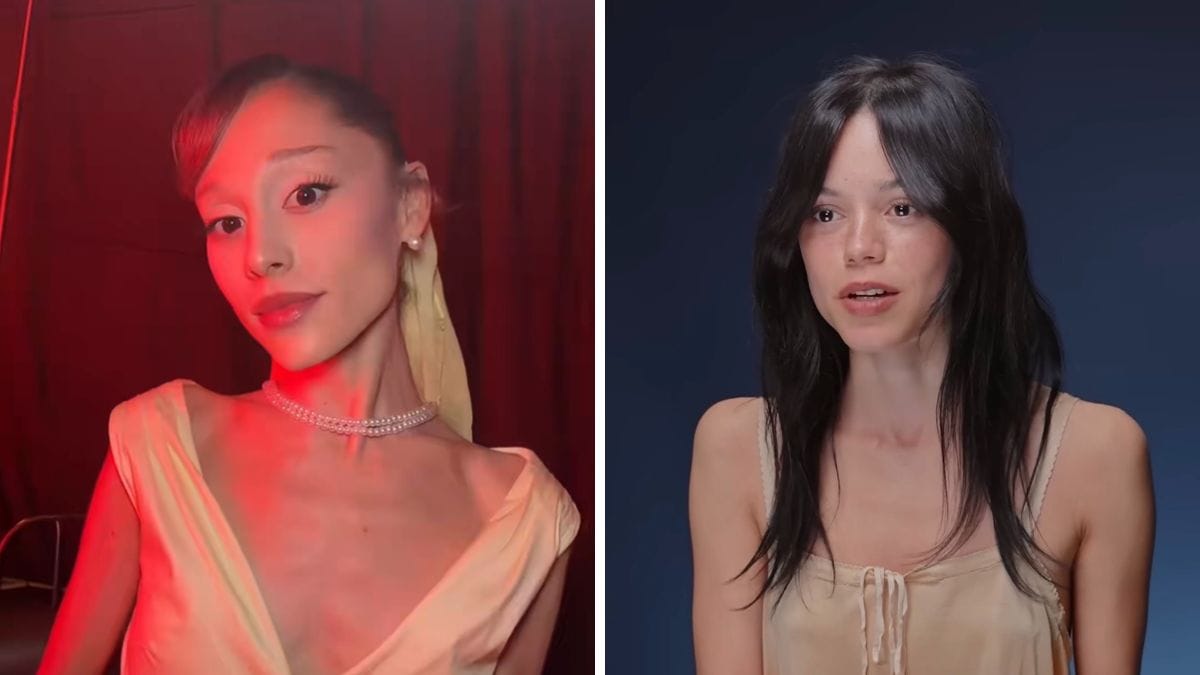
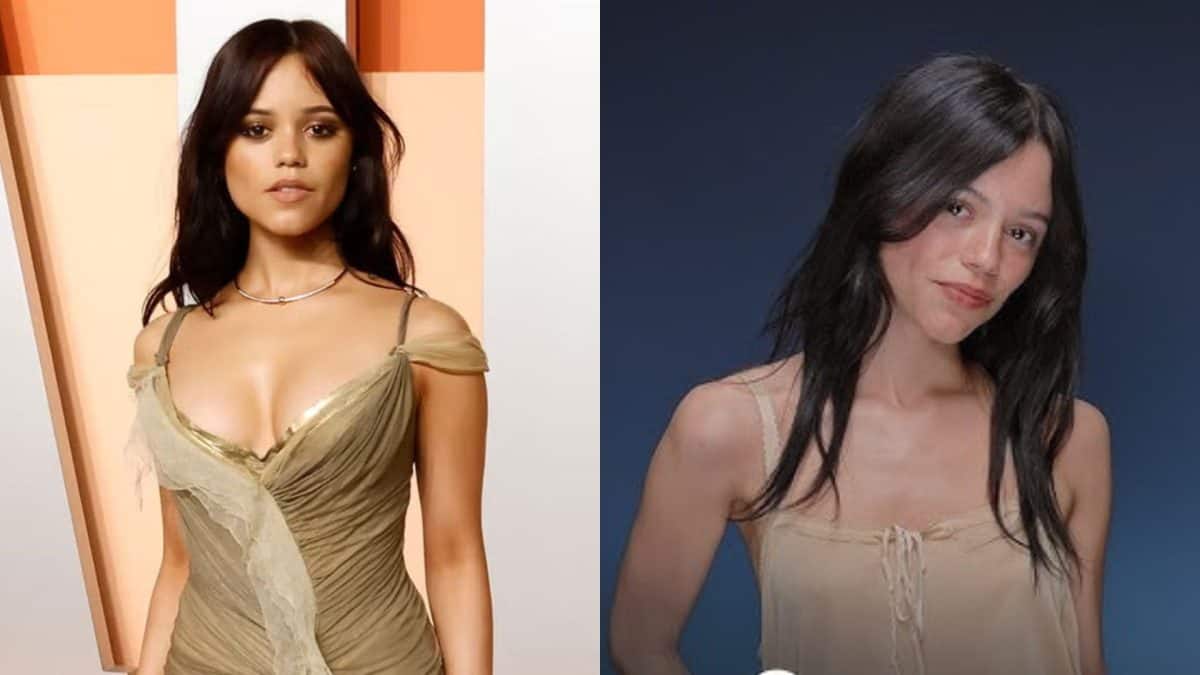
An actress named Jenna Ortega got a lot of attention for how she looked in a magazine interview.
People on the internet compared old and new photos of her.
A singer named Ariana Grande was also talked about a lot because of how she looks.
Fashion shows included almost no plus-size models — only 0.3 percent, according to British Vogue.
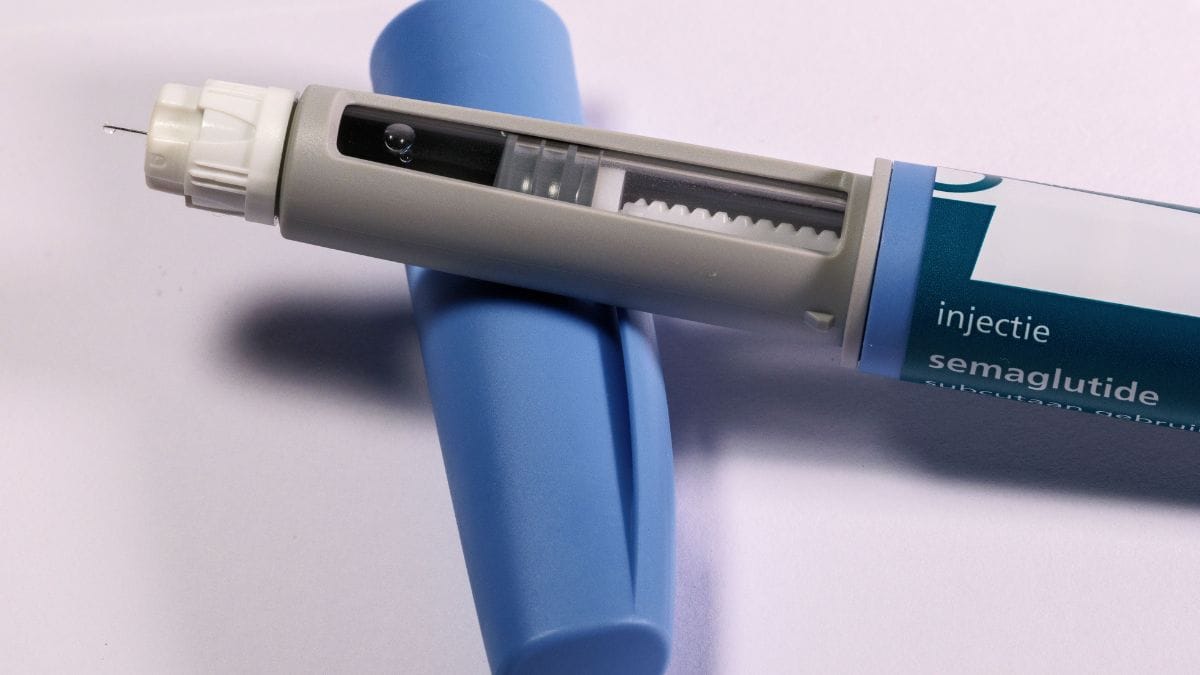
New medicines called GLP-1 drugs, used for diabetes and obesity, have changed how people talk about losing weight.
The article reminds us that a person's worth should not depend on what body shape is fashionable.

Hollywood is moving away from the body positivity movement that went mainstream in the mid-2010s, with thinness coming back into fashion.
Jenna Ortega's appearance in Esquire's 'How I Got Here' series triggered intense online scrutiny and 'then and now' photo comparisons.
Plus-size models made up just 0.3 percent of runway castings during the fall/winter 2026-27 fashion weeks, according to British Vogue.
GLP-1 drugs, which have legitimate medical uses for treating type 2 diabetes and obesity, have changed Hollywood's conversation around weight loss.
Victoria's Secret's 2021 VS Collective, featuring transgender model Valentina Sampaio and plus-size model Paloma Elsesser, was an earlier industry shift that now appears reversed.
- Who
- Hollywood celebrities including Jenna Ortega, Ariana Grande, Lizzo, Ashley Graham, and Jameela Jamil
- What
- A cultural shift in Hollywood and fashion away from body positivity and back toward thinness as the ideal body type
- Where
- Hollywood and the global fashion industry
- When
- Following the mid-2010s era of body positivity, with recent developments including the fall/winter 2026-27 fashion weeks
- Why
- The comeback of thinness is tied to GLP-1 weight-loss drugs, 'SkinnyTok' and aggressive beauty content on social media, and fashion runways that now cast almost no plus-size models
Concerned Observers
Body Acceptance Advocates
Scrutiny of celebrity appearances
Concerned Observers
Some social media users voiced concern over Jenna Ortega's and Ariana Grande's changing looks and shared 'then and now' photo comparisons.
Body Acceptance Advocates
Others attacked the broader culture of examining women's bodies, calling the reaction another sign of Hollywood's obsession with appearance.
GLP-1 drugs in weight loss
Concerned Observers
GLP-1 medications have legitimate medical uses, including treating type 2 diabetes and obesity.
Body Acceptance Advocates
The drugs are increasingly treated as a celebrity beauty accessory, blurring the line between medical treatment and appearance culture.
Body positivity as a trend
Concerned Observers
Body positivity should not have been a passing trend; a person's worth should not depend on whether their body matches the fashionable shape.
Body Acceptance Advocates
The beauty industry treats body standards as cyclical trends, first selling curves and then selling their removal as lifestyle upgrades.
Key facts
- Recent flashpoint
- Jenna Ortega's appearance in Esquire's 'How I Got Here' series drew online scrutiny of her looks
- Runway statistic
- Plus-size models made up 0.3% of castings at fall/winter 2026-27 fashion weeks (British Vogue)
- Weight-loss drugs
- GLP-1 medications, legitimate treatments for type 2 diabetes and obesity, now part of celebrity beauty talk
- Industry reversal example
- Victoria's Secret launched its diverse VS Collective in 2021 featuring Valentina Sampaio and Paloma Elsesser
- Social media trend
- Rise of 'SkinnyTok' and more aggressive beauty content
- Earlier era
- 1990s 'heroin chic' look and 2000s tabloid scrutiny of celebrity bodies
- Celebrities scrutinized
- Ariana Grande, Kirsten Dunst, Jessica Simpson, Tyra Banks and Jennifer Love Hewitt
Sources
Related news
Jenna Ortega's Latest Appearance Sparks Hollywood Thinness Debate

Expert Questions Whether GLP-1 Drugs Are Creating New Diet Culture

Ariana Grande's 'healthier' post like fuels debate amid spotlight break
H&M and Mango Cut Plus-Size Clothes as GLP-1s Reshape Fashion

Lisa Ray on Pressure to Look Younger in Film Industry
Nicole Kidman's British Vogue cover sparks AI debate online
Netflix Unveils Title and Release Plans for Cliff Booth Spinoff

Andrew Garfield Says He Often Considers Leaving Hollywood

After Hayden Panettiere’s Death, Memoir Gains Haunting Meaning

Priyanka Chopra was no overnight success, says manager Anjula Acharia
