

3 weeks ago
Oil surges 5% as Iran-Hormuz deal falters; gold hits high
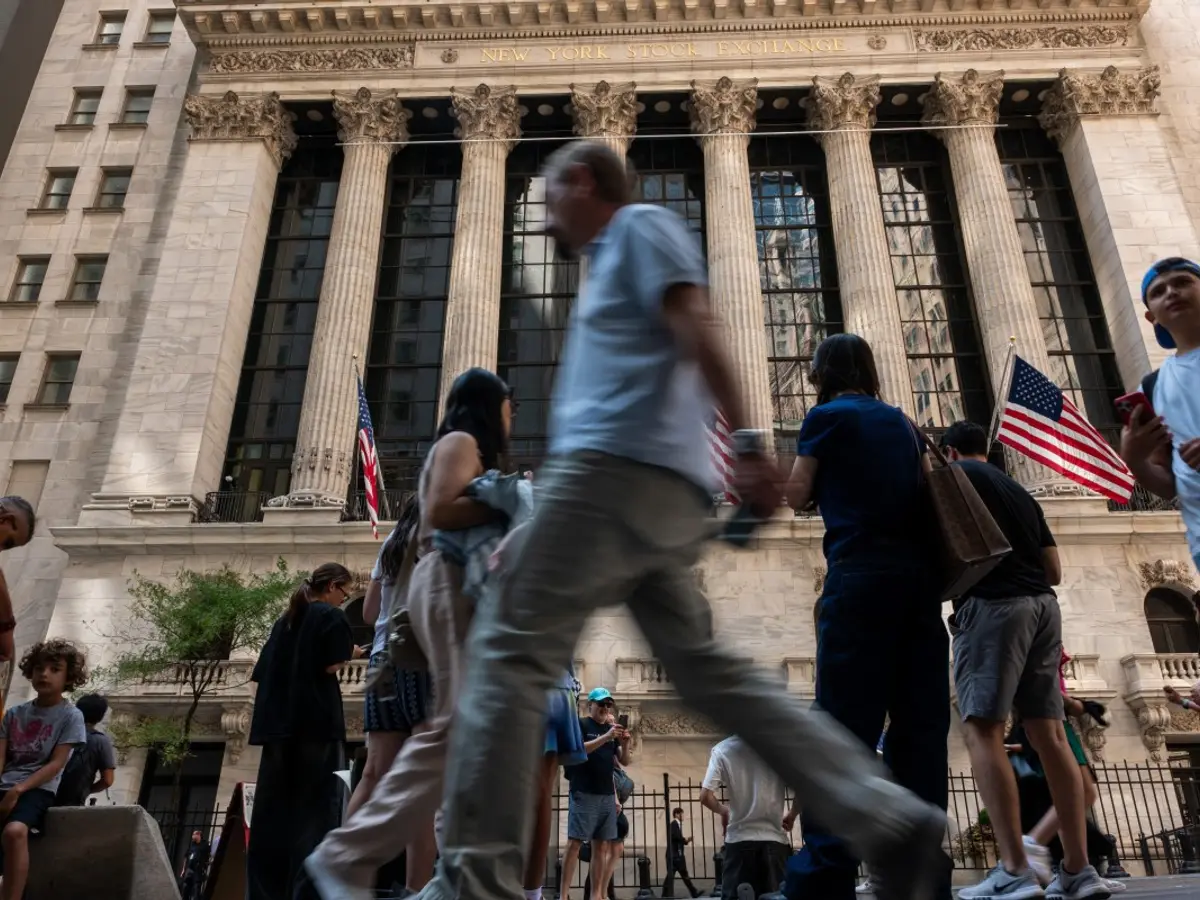
Oil and gold are things people buy and sell, and their prices change all the time.
This week, the price of oil went up a lot, by about five percent.
It went up because people were worried about the Strait of Hormuz, a very important waterway where many ships carrying oil travel.
Iran and the United States are arguing about this waterway and about other problems between them.
Iran said it will only reopen the strait if the United States meets six strict conditions.
The United States, led by President Donald Trump, said Iran should pay money for damage it has caused.
When people are worried about problems like this, they often buy gold, because gold is seen as a safe thing to own.
That is why the price of gold went up to its highest level in two months.
There was also worrying news about jobs in the United States, which made people want safe things to buy.
Many people are now watching to see if the government will change interest rates, which are like the price of borrowing money.

Oil futures rose about 5 per cent on Monday as hopes for a deal to open the Strait of Hormuz faltered, with prices briefly hitting an intraday high of $90.02 per barrel.
Spot gold climbed above $4,400 an ounce for the first time since early June, touching a two-month intraday peak of $4,434.84.
Iran issued six strict preconditions for reopening the Strait of Hormuz, including an end to US and allied military aggression, lifted sanctions, and war reparations.
President Donald Trump responded by demanding Iran pay damages for harm done to the US over a 50-year period and for deaths in Lebanon, Syria, Yemen, and Gaza.
Gold's safe-haven appeal strengthened after a US labour report showed an unexpected loss of 23,000 jobs in July, and traders priced a 48 per cent chance of a September Fed rate hike.
- Who
- Iran, US President Donald Trump, and traders in global oil and gold markets
- What
- Oil prices surged about 5% and gold hit a two-month high above $4,400 per ounce after hopes for a deal to open the Strait of Hormuz faltered, with Iran issuing six preconditions and Trump demanding compensation
- Where
- Strait of Hormuz and global commodity markets
- When
- Monday and Tuesday, August 10-11, 2026
- Why
- Investors reacted to faltering Iran-US negotiations over the Strait of Hormuz, Iran's six preconditions, and a weak US jobs report that boosted gold's safe-haven appeal
Iran's Position
US Position
Reopening the Strait of Hormuz
Iran's Position
Iran demands six strict preconditions, including Washington completely correcting its behaviour, ending US and allied military aggression, lifting the blockade, war reparations, and removing all 'cruel and illegal' sanctions with asset release.
US Position
President Trump says the US will ask Iran for money for damage done over a 50-year period and that Iran should pay damages before agreeing to negotiations.
Responsibility for regional damage
Iran's Position
Iran frames its demands as reparations for US and allied military aggression against Iran and its regional network across Lebanon, Palestine, Yemen, and Iraq.
US Position
Trump says Iran should be responsible for the damages and death caused to the people of Lebanon, Syria, Yemen, and Gaza.
Key facts
- Oil price surge
- About 5% for Brent crude and US crude futures
- Oil intraday high
- $90.02 per barrel
- Oil trading range
- $87-$89 per barrel
- Gold two-month high
- Above $4,400 per ounce
- Gold intraday peak
- $4,434.84 per ounce
- Iran's preconditions
- Six strict conditions for reopening the Strait of Hormuz
- US July jobs change
- Unexpected loss of 23,000 jobs
- September rate hike odds
- 48% per CME FedWatch Tool
Quotes

Donald Trump
President of the United States
““We’re going to ask for money for the damage they’ve done over a 50‑year period. So if there’s damages to be paid, I think Iran should pay those damages.””
 wionews.com
Sources
Related news

Oil Gains Persist as Trump, Iran Clash Over Hormuz Reopening

Brent Nears $90 as Trump Demands Cloud Iran Deal Hopes
Oil prices rise as US-Iran talks stall over Hormuz

Brent crude surges past $87 as US-Iran deal hits snag
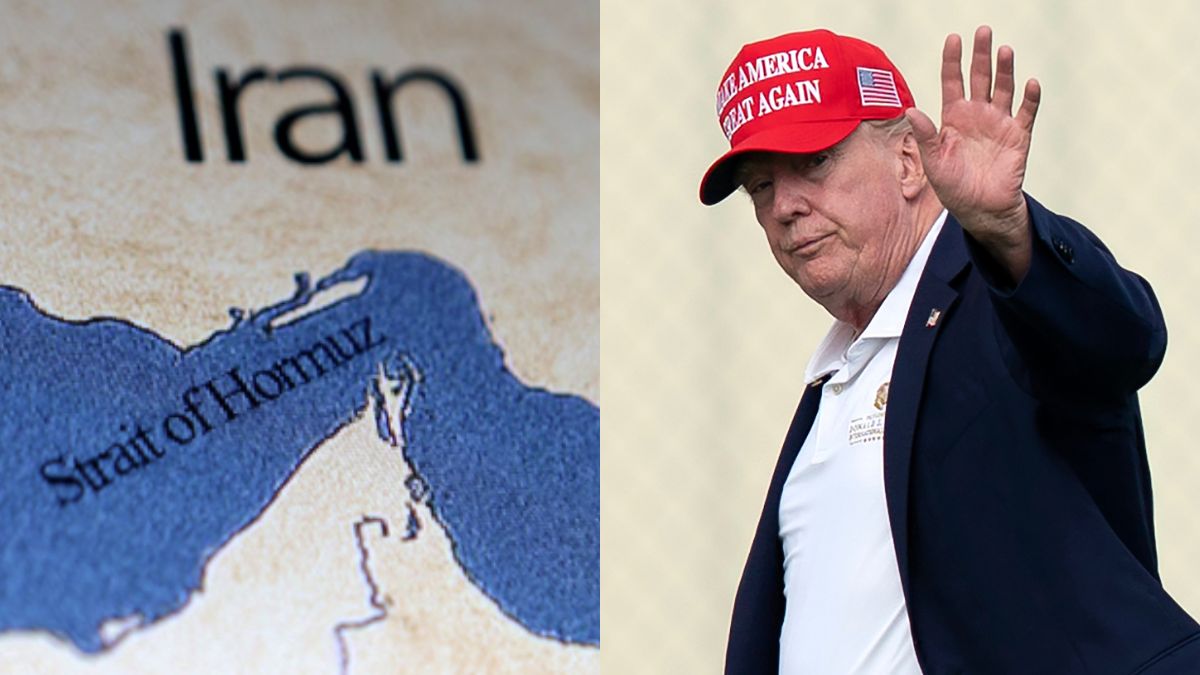
Brent tops $91 as Trump rules out extending Iran ceasefire

Oil Prices Surge Above $90 as US-Iran Tensions Escalate
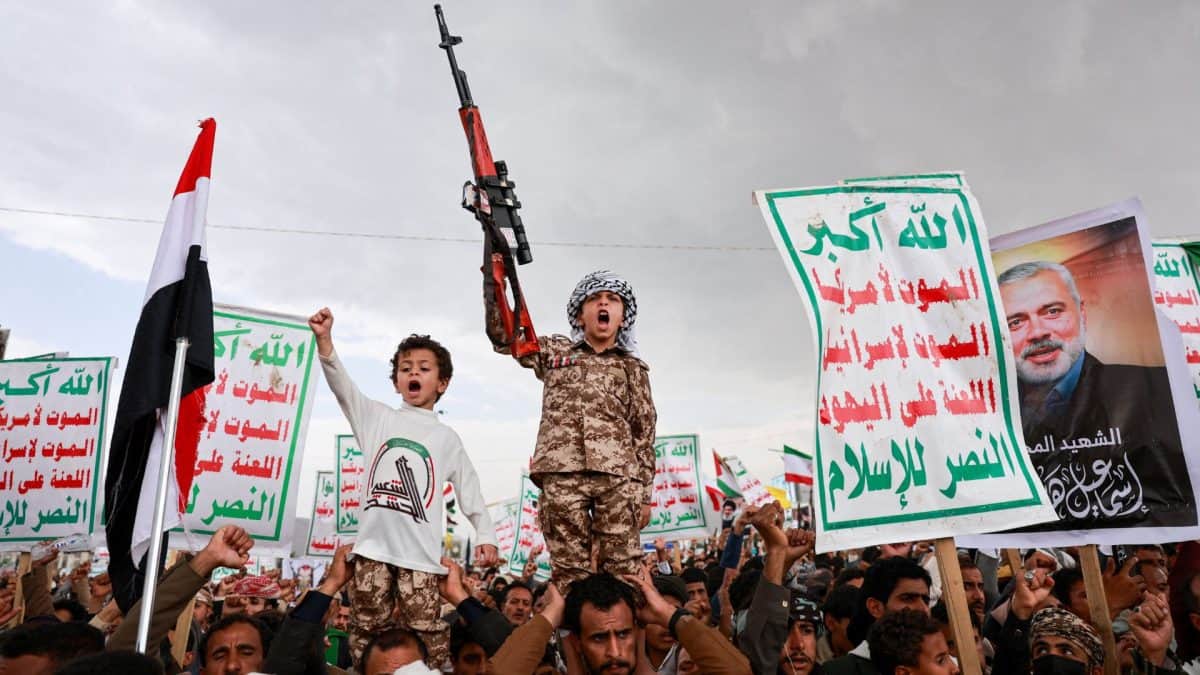
Iran’s Proxy Network Weakens, But Its Wars Persist
Welspun Corp, Perma-Pipe Plan Jordan Pipe Manufacturing JV

WhatsApp Group Exposed Vast Hawala Network Tied to Crime

India Seek First Win Over Syria in U20 Qualifiers
Turkey-Israel Rivalry Deepens Over Syria and Regional Influence
