1 hr ago
Wheatgrass and Bottle Gourd Spotlighted for Haemoglobin Support

Acharya Balkrishna discussed wheatgrass and bottle gourd juice in a video.
He said Indian families have used them for generations.
Some people use these juices when they have low haemoglobin or anaemia.
Wheatgrass contains chlorophyll and other nutrients.
Its chlorophyll looks somewhat like the haemoglobin in blood, but the two molecules are not the same.
A few small studies found that wheatgrass juice was linked with higher haemoglobin in some participants.
However, anaemia can happen for many different reasons.
Doctors say people should get a blood test and medical advice instead of depending only on juice.

Acharya Balkrishna promoted wheatgrass and bottle gourd juice in a Facebook video.
He said Indian families have traditionally used them for low haemoglobin, anaemia, and some pregnancy-related problems.
Small studies have reported haemoglobin improvements among some people using wheatgrass juice.
Researchers note that wheatgrass chlorophyll resembles haemoglobin structurally, although it contains magnesium instead of iron.
Doctors caution that anaemia has multiple causes and recommend blood testing before relying on home remedies.
- Who
- Acharya Balkrishna, co-founder of Patanjali Ayurved, discussed wheatgrass and bottle gourd juice; doctors provided cautions about anaemia.
- What
- A Facebook video highlighted traditional uses of wheatgrass and bottle gourd juice for low haemoglobin, anaemia, and some pregnancy-related symptoms.
- Where
- The discussion referred to Indian households and appeared in a Facebook video.
- When
- The article does not specify when the Facebook video was posted; the cited studies lasted three weeks or several weeks.
- Why
- Balkrishna highlighted traditional claims and available research, while doctors urged testing because anaemia can have several causes.
Traditional and Research-Based Support
Medical Caution
Effect on haemoglobin
Traditional and Research-Based Support
Acharya Balkrishna pointed to longstanding household use, while cited studies reported haemoglobin improvements among some wheatgrass users.
Medical Caution
Doctors caution that no single juice can treat every form of anaemia because its causes differ.
Use of home remedies
Traditional and Research-Based Support
Wheatgrass and bottle gourd juice were described as traditional options for low haemoglobin and some pregnancy-related complaints.
Medical Caution
Doctors recommend a blood test and medical evaluation, especially for persistent tiredness, paleness, or breathlessness.
Key facts
- Speaker
- Acharya Balkrishna, co-founder of Patanjali Ayurved
- Remedies discussed
- Wheatgrass juice and bottle gourd, also called lauki, juice
- Traditional uses
- Low haemoglobin, anaemia, morning sickness, fever, and general weakness
- Wheatgrass composition
- Chlorophyll, vitamins, minerals, amino acids, and antioxidants
- Cited study
- A study of 30 people over three weeks reported haemoglobin improvement among participants who began with lower levels
- Other research
- A study involving teenage girls with anaemia linked wheatgrass juice and dietary changes with increased haemoglobin
- Medical caution
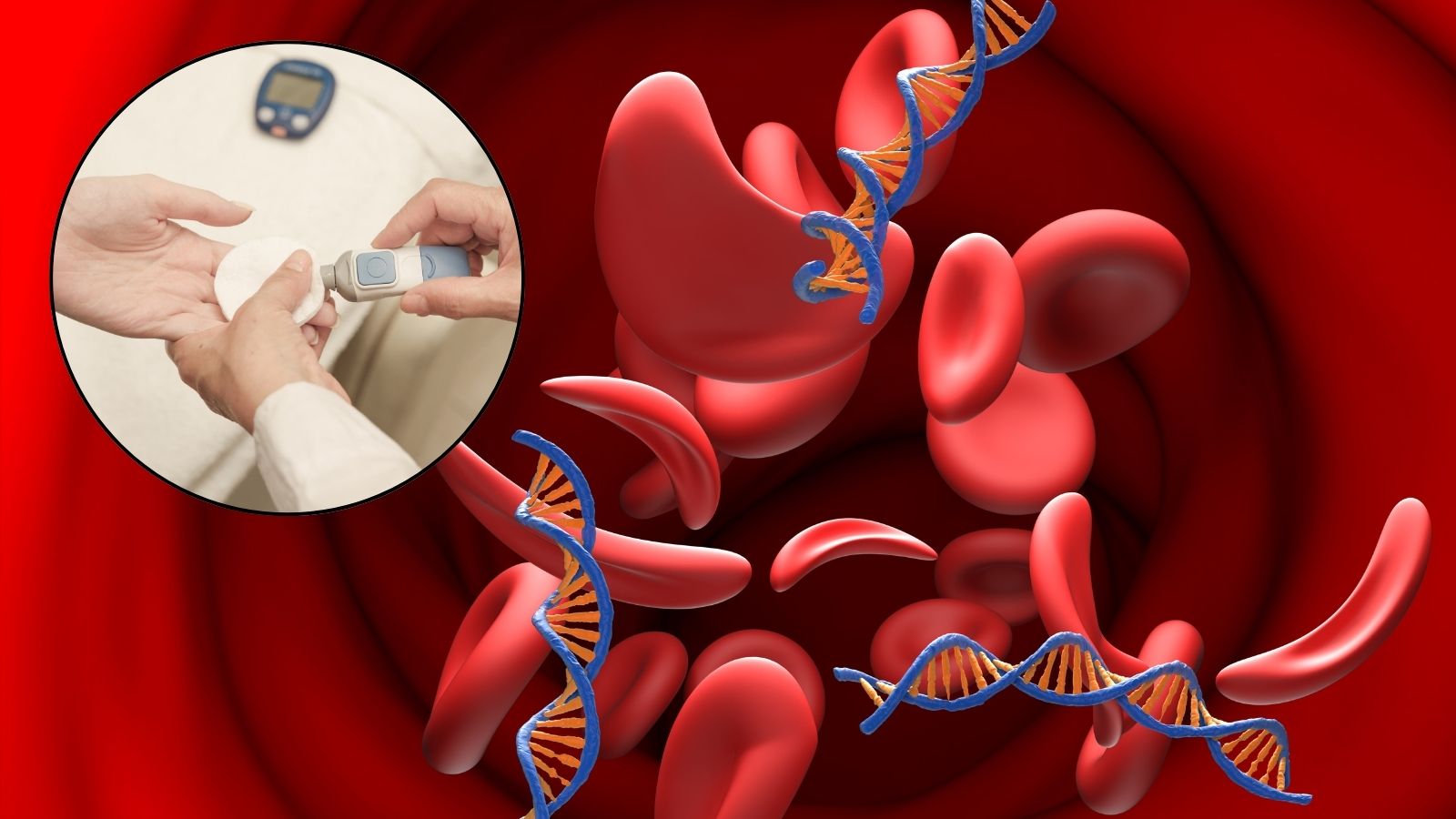
- Anaemia may result from iron deficiency, vitamin B12 deficiency, chronic illness, or inherited blood disorders
Sources
Related news

Mira Rajput Shares Smriti Irani’s Drumstick-Masoor Soup for Anaemia
Iron Gummies May Help Mild Anaemia, But Have Limitations

Haryana Announces 100-Day Anaemia Campaign Starting September 17

Ayurvedic Remedies and Products Suggested for Acidity Relief