

1 day ago
India’s New GDP Series Aims for More Stable Estimates
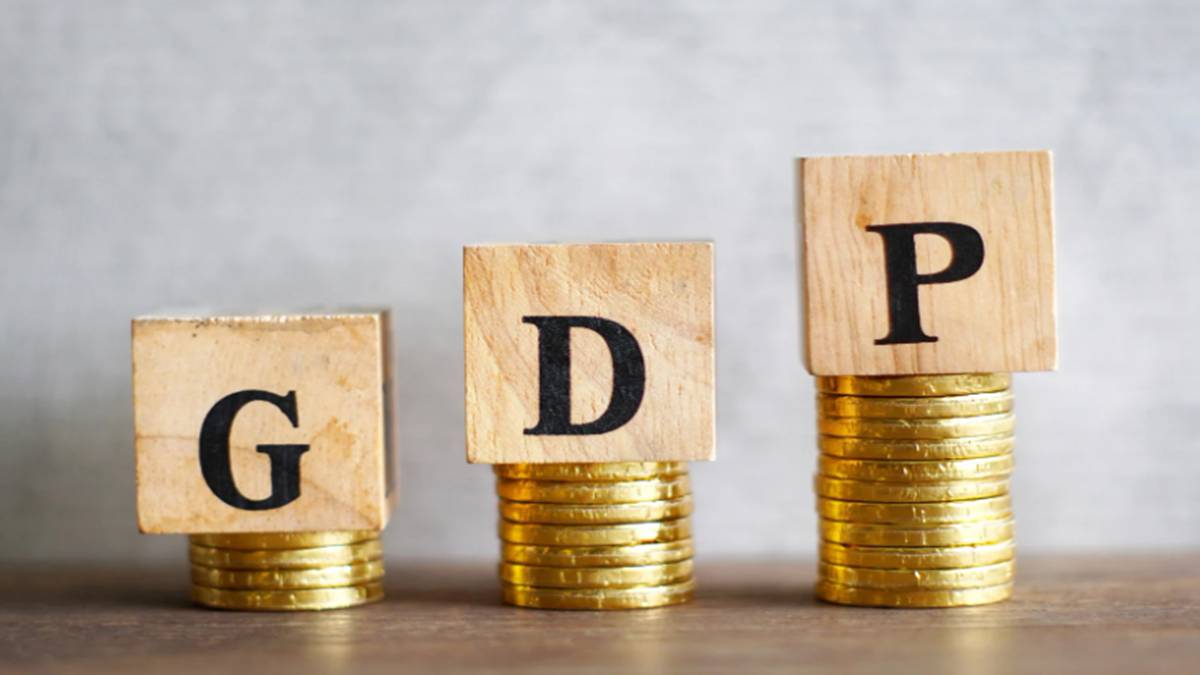
India has introduced a new way to calculate its economic growth.
Some former officials and policymakers questioned the figures and asked for more explanation.
Saurabh Garg of the statistics ministry defended the new calculations.
He said they use newer information and improved methods.
One method, called double deflation, separately measures changes in selling prices and input costs.
This is intended to show manufacturing activity more accurately.
The ministry says a new explanation document will be released in September.
It also plans to publish older years using the new method by the end of the year.
Garg said the new system should make later changes to growth estimates smaller and steadier.

MoSPI Secretary Saurabh Garg defended India’s new GDP series against criticism over revisions and transparency.
The series uses a 2022-23 base year, newer data sources and revised estimation methods.
MoSPI says double deflation better measures real manufacturing GVA by separately tracking output and input prices.
A Sources and Method document is planned for September, with back-series data due by year-end.
Garg said Supply and Use Tables should make future GDP revisions significantly more stable.
- Who
- Saurabh Garg, Secretary of India’s Ministry of Statistics and Programme Implementation, responded to critics of the new GDP estimates.
- What
- MoSPI defended a revised GDP series and explained its use of new data sources, double deflation and Supply and Use Tables.
- Where
- India.
- When
- The interview discusses the newly introduced series; a methodology document is planned for September and back-series data by the end of the current year.
- Why
- The new series was introduced to improve coverage, estimation methods and measurement of economic activity, while addressing concerns about revisions and transparency.
Critics of the estimates
MoSPI’s response
Revisions to growth figures
Critics of the estimates
Former bureaucrats and policymakers have criticized what they describe as sharp revisions to earlier quarterly GDP growth figures.
MoSPI’s response
Saurabh Garg said revisions are a normal part of national accounts, but the new series should produce significantly more stable growth-rate revisions.
Transparency of double deflation
Critics of the estimates
Critics have questioned the transparency of the price indices and input-price data used to apply double deflation.
MoSPI’s response
MoSPI said the method was developed through historical analysis, Annual Survey of Industries data, Supply and Use Tables, wholesale prices and the emerging producer-price series.
Reliability of the new series
Critics of the estimates
Some critics have raised concerns about the new GDP estimates and the methodological changes used to calculate them.
MoSPI’s response
MoSPI said the series follows the internationally accepted System of National Accounts and adds newer data, improved methods and wider economic coverage.
Key facts
- GDP base year
- 2022-23
- Methodology document
- MoSPI plans to release a Sources and Method document in September.
- Back-series data
- MoSPI plans to publish data based on the new series by the end of the current year.
- Double deflation
- The method separately tracks output and input prices for the input-intensive manufacturing sector.
- Data sources
- The new series incorporates Annual Survey of Unincorporated Sector Enterprises and Periodic Labour Force Survey data, among other sources.
- Supply and Use Tables
- MoSPI says the SUT framework balances production, expenditure, input-output and commodity-flow data.
- Producer prices
- The new PPI incorporates export prices and uses national-accounting basic-price principles.
Sources
Related news
MoSPI Defends Lower GDP Estimates With Better Informal-Sector Data
India’s GDP Revisions Explained: Why Deflators Changed Growth Data

Government Defends Revised GDP Estimates Amid Growth Manipulation Claims
Government Defends India’s 7.8% Q1 GDP Growth Amid Debate
New GDP series expands double deflation across manufacturing categories

India’s First District Labour Data Reveals Wide Regional Gaps
India's Poverty Gains Mask Weakness in Labour Earnings

India Unemployment Falls to 5% as Rural Jobs Improve

India Unemployment Falls to Six-Month Low as Rural Jobs Improve
