2 hrs ago
Ranvir Shorey Criticises Swara Bhasker Over Padmaavat Jauhar Debate
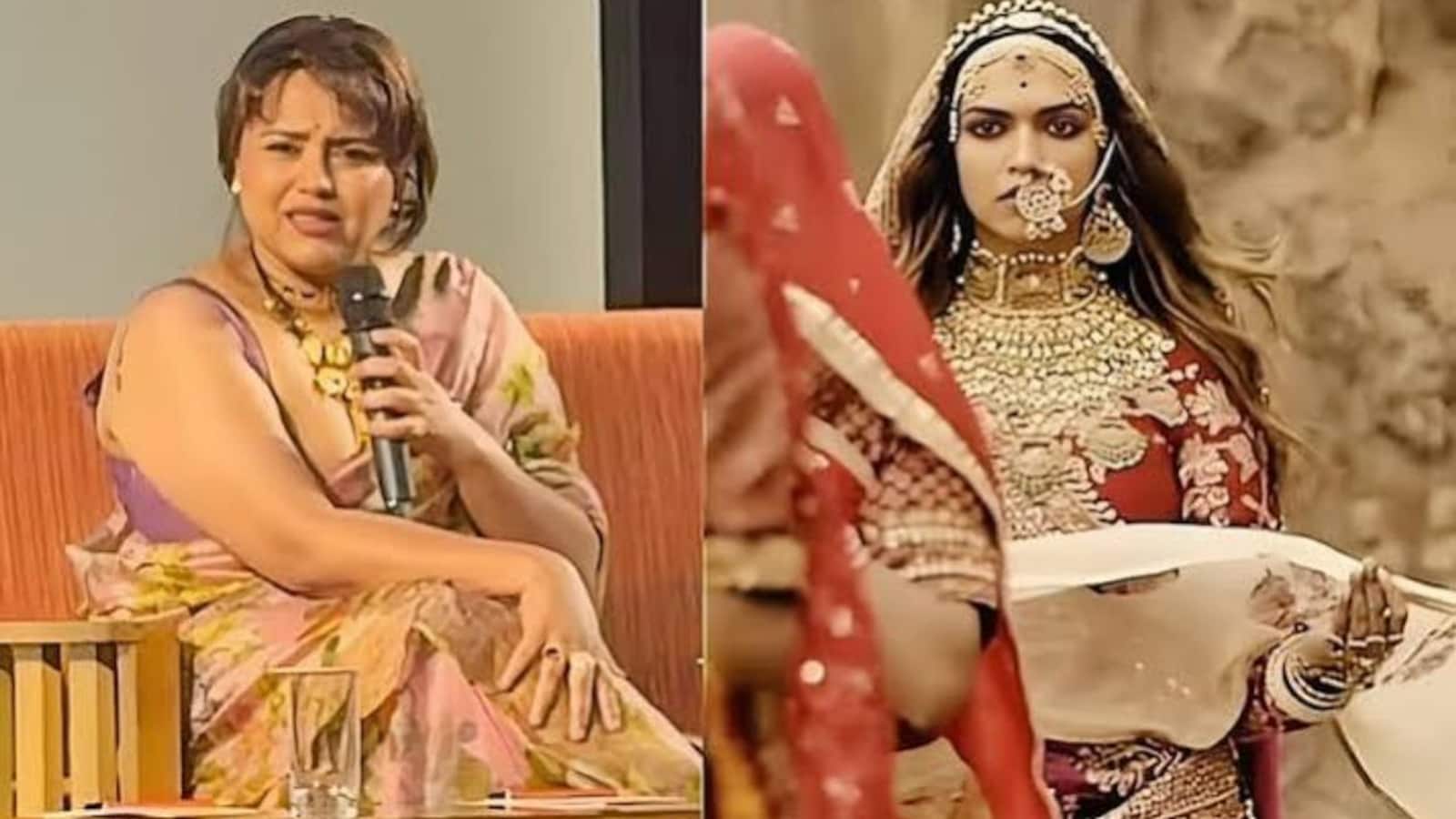
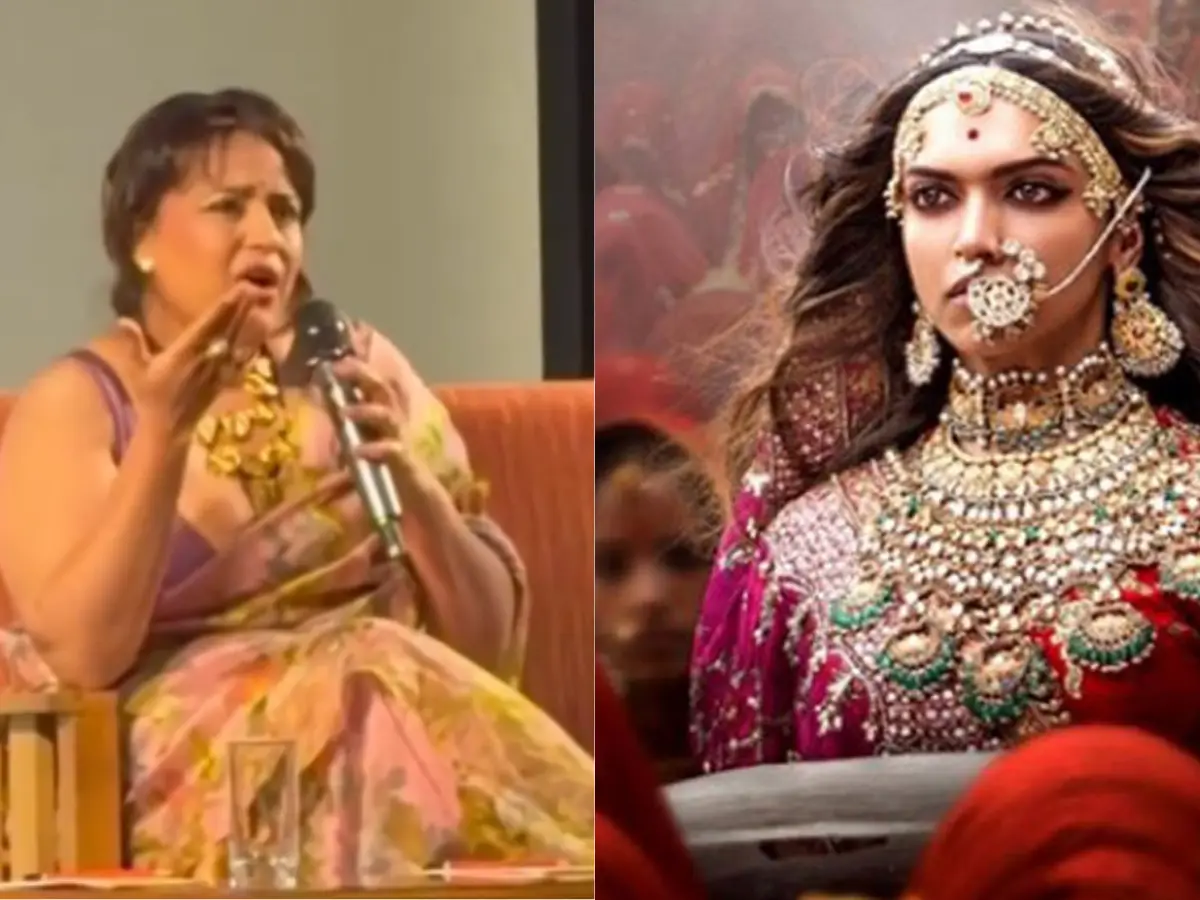
Swara Bhasker said a scene in Padmaavat made her uncomfortable.
The scene shows many women choosing Jauhar, or dying in a fire, during a dangerous situation.
Swara worried that the scene could make rape survivors feel they should have died instead of continuing to live.
She also disliked a shot showing a pregnant woman during the scene.
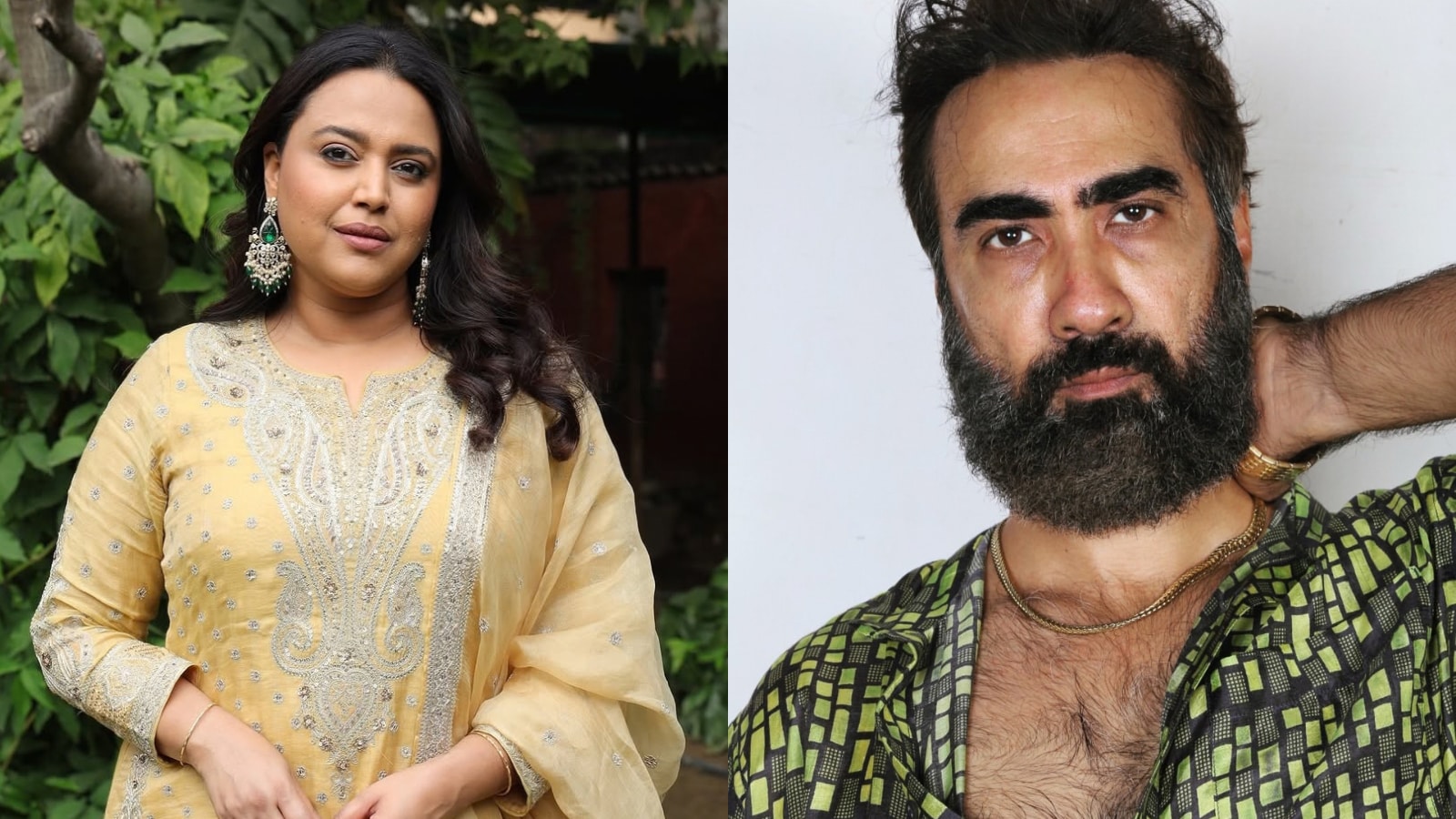
Ranvir Shorey disagreed with her criticism.
He said Jauhar and surviving rape were two different situations.
He called Swara’s comments “utterly shameless.”
Writer Prakash Kapadia defended the scene as an attempt to show what the filmmakers believed happened in that historical setting.

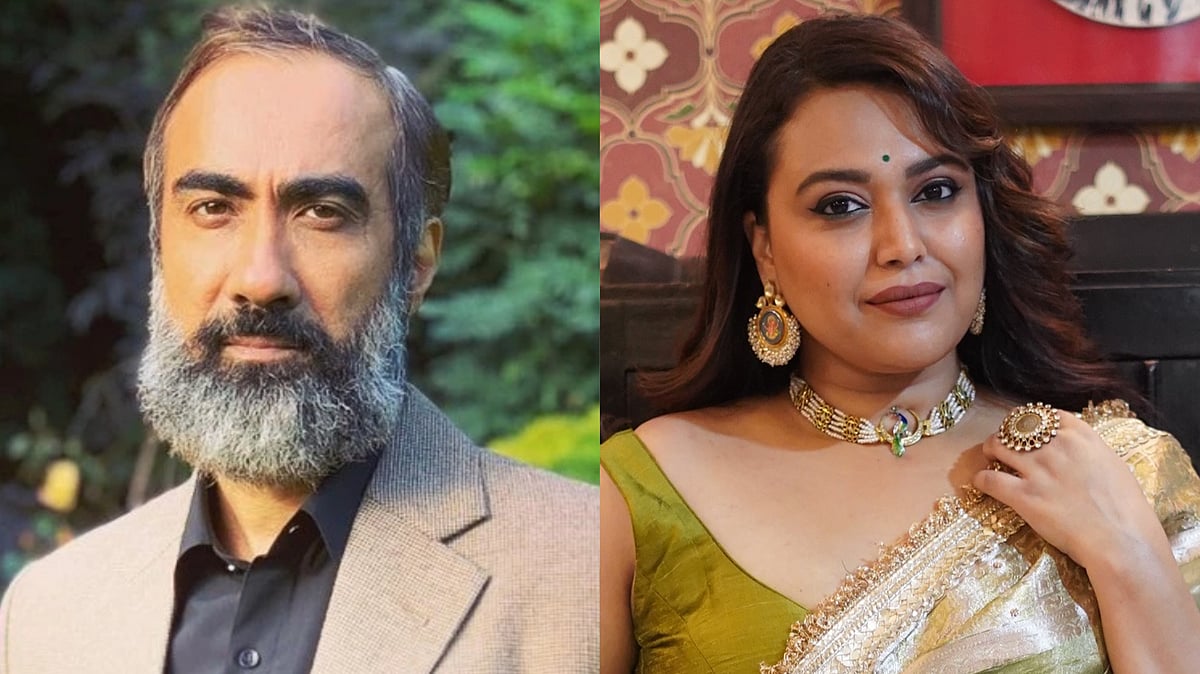
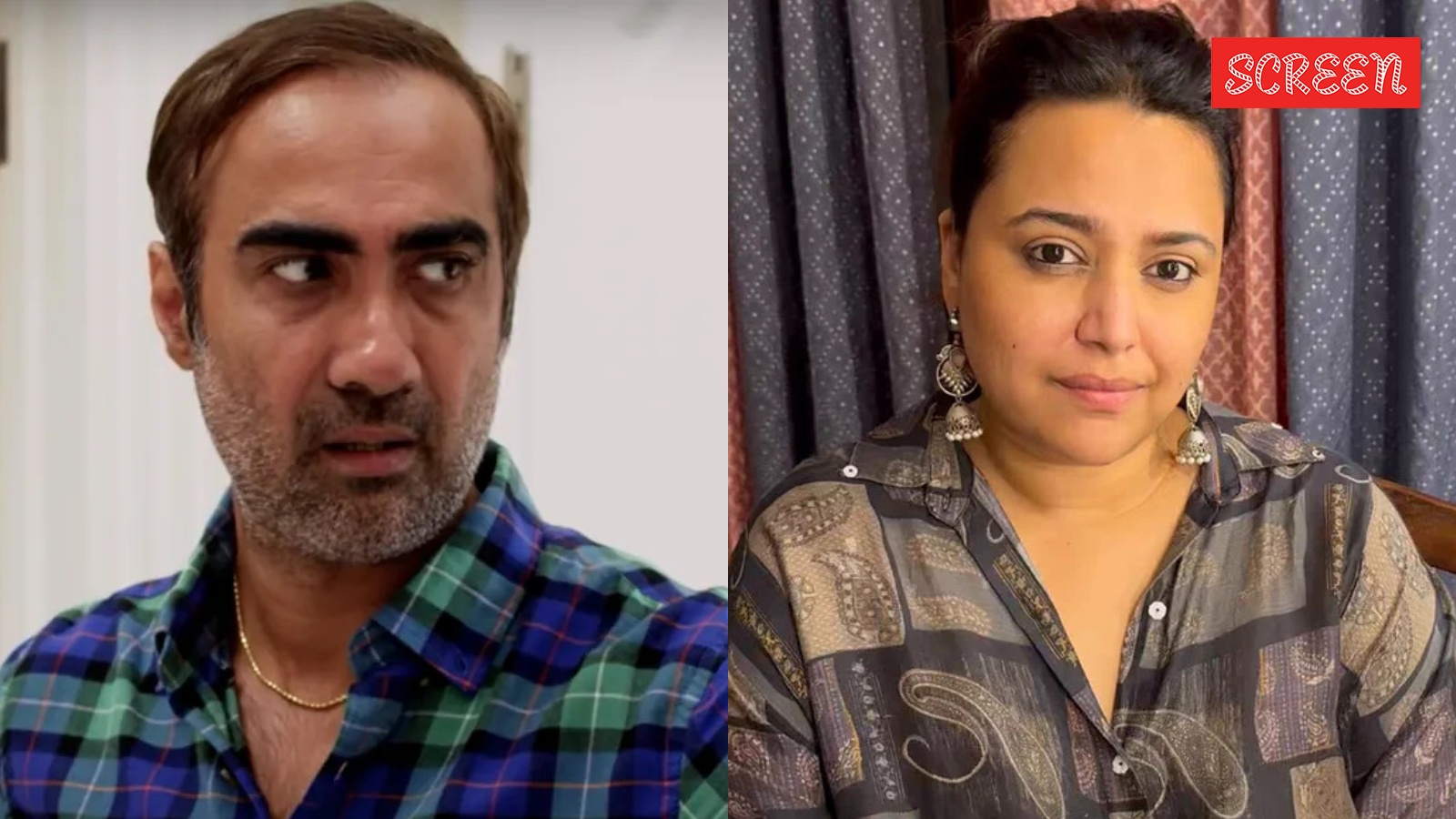
Ranvir Shorey called Swara Bhasker’s criticism of Padmaavat’s Jauhar scene “utterly shameless.”
Shorey questioned Bhasker’s comparison between Jauhar and the experiences of rape survivors.
Bhasker said the scene could make survivors feel that living through sexual assault was cowardly or dishonourable.
She especially objected to a close-up of a pregnant woman during the Jauhar sequence.
Co-writer Prakash Kapadia defended the scene as a historically researched portrayal of the period depicted.
- Who
- Actors Ranvir Shorey and Swara Bhasker, along with Padmaavat co-writer Prakash Kapadia, are central to the dispute.
- What
- Shorey criticised Bhasker’s comments about Padmaavat’s Jauhar scene, while Kapadia defended the film’s depiction.
- Where
- Shorey posted on X, while Bhasker spoke at the India International Centre in New Delhi.
- When
- Shorey posted his criticism on Wednesday, September 2, 2026; Bhasker discussed her earlier concerns at a recent event.
- Why
- Bhasker said the scene could imply that rape survivors do not deserve to live; Shorey rejected her comparison between Jauhar and rape survivors.
Criticism of the Scene
Defense of the Scene
Message to Survivors
Criticism of the Scene
Swara Bhasker argued that the sequence could make rape survivors feel that surviving was cowardly or dishonourable, and questioned whether rape was being presented as the end of a woman’s life.
Defense of the Scene
Ranvir Shorey rejected the comparison, saying Jauhar and the experiences of rape survivors were completely different situations.
Historical Portrayal
Criticism of the Scene
Bhasker said the scene was deeply upsetting and objected particularly to showing a pregnant woman participating in Jauhar.
Defense of the Scene
Prakash Kapadia said the filmmakers followed their research and history books and portrayed what they considered the reality of that period.
Filmmakers’ Intent
Criticism of the Scene
Bhasker focused on how contemporary viewers and survivors of sexual violence might interpret the scene’s message.
Defense of the Scene
Kapadia said people interpret films differently and maintained that the Jauhar scene reflected the historical situation the film intended to depict.
Key facts
- Film
- Padmaavat, also referred to as Padmavat in some reports
- Director
- Sanjay Leela Bhansali
- Shorey’s position
- He called Bhasker’s remarks “utterly shameless” and said Jauhar and rape survivors represented different situations.
- Bhasker’s position
- She described the Jauhar sequence as “problematic” and questioned whether it suggested that rape survivors should have died.
- Specific objection
- Bhasker objected to a close-up of a pregnant woman’s belly while she performed Jauhar.
- Writer’s response
- Prakash Kapadia said the filmmakers based the scene on research and history books and portrayed the reality of the period.
- Lead cast
- Deepika Padukone, Shahid Kapoor, and Ranveer Singh played the lead roles.
Quotes
Prakash Kapadia
Padmaavat co-writer who defended the Jauhar scene
“I still don't get it. Comparing Jauhar (suicide by fire in defiance of inevitable and endless rape, violence and even necrophilia) to rape survivors? Where's the connection? They're two completely different sets. The only intention can be to malign one group of people while trying to whitewash the other. Utterly shameless.”
 freepressjournal.in
 indianexpress.com
 NDTV
NDTV
“We made the film according to our research and what is written in history books. Every person interprets the film differently. What we showed, including the jauhar scene, was the reality of those times; it cannot be changed now.”
indianexpress.com
Sources
Related news
Swara Bhasker Revisits Padmaavat Jauhar Criticism Amid Online Backlash

Swara Bhasker Clarifies Padmaavat Jauhar Remarks Amid Backlash

Swara Bhasker Faces Backlash Over Padmaavat Jauhar Remarks

Padmaavat Writer Defends Jauhar Scene Amid Swara Bhasker Row
Fahad Ahmad Defends Swara Bhasker Over Padmaavat Remark
Swara Bhasker’s Johar Remarks Trigger Agra Protest and Threat

Swara Bhasker Criticizes Padmaavat's Jauhar Scene
Swara Bhasker’s Jauhar Remarks Revive Padmaavat’s Historical Debate